
Oil Price Volatility Amid Middle East Ceasefire: Are Energy Consumer Gains Sustainable?
The June 2025 ceasefire agreement between Israel and Iran, brokered by U.S. President Donald Trump, has reshaped global oil markets and investor sentiment. While the deal sent crude prices tumbling—West Texas Intermediate (WTI) fell to $67.13/barrel, a 7% drop—the sustainability of this calm hinges on geopolitical stability and OPEC+'s production decisions. For energy consumer stocks, the question is whether gains driven by lower fuel costs can outlast lingering risks. The answer lies in navigating a fragile equilibrium between supply dynamics, inventory trends, and the ever-present shadow of Middle East tensions.
The Ceasefire's Immediate Impact on Oil Markets
The ceasefire eliminated a $15–$20 “risk premium” priced into oil markets, reflecting reduced fears of supply disruptions through the Strait of Hormuz, which handles 20% of global oil exports. Brent crude dropped to $71.48/barrel, its lowest since early 2023. However, traders remain wary of Iran's conditional demands, such as Israel halting strikes by 4 a.m. Tehran time, which could reignite conflict.
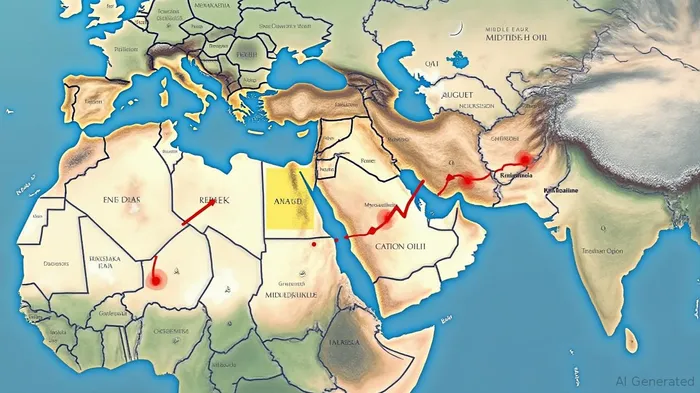
The geopolitical reprieve has been a windfall for energy consumers. Airlines, trucking firms, and industrial companies have seen margins improve as jet fuel and diesel costs retreat. For example, Delta Air LinesDAL-- rose 4.2% as lower fuel expenses offset rising labor costs. Yet, this relief comes amid a broader market overhang: global oil inventories have surged by 32.1 million barrels in April alone, with the International Energy Agency (IEA) projecting a 0.8-million-barrel-per-day build in 2025.
OPEC+'s Dilemma: Balancing Supply and Demand
OPEC+ faces a critical test at its July 6 meeting. The group is considering a 411,000-barrel-per-day production hike to counter oversupply, but internal divisions persist. Russia advocates pausing increases to avoid pushing prices toward $60/barrel, while Saudi Arabia prioritizes long-term stability over short-term gains.
A decision to increase output could exacerbate oversupply, especially as U.S. shale faces headwinds from Trump's tariffs and rising drilling costs. Conversely, a pause might stabilize prices near $70–$75/barrel—but only if the ceasefire holds.
Energy Consumers: Winners and Risks
The immediate beneficiaries are energy-intensive sectors. Airlines, which spend 20–30% of operating costs on fuel, stand to gain $1.2 billion annually for every $10/barrel drop in oil. Middle Eastern carriers like Emirates and Qatar Airways, along with U.S. airlines such as DeltaDAL-- and American AirlinesAAL--, have seen profit margins expand.
However, risks loom. A breakdown of the ceasefire could spike prices to $130/barrel, reversing gains. Additionally, supply chain bottlenecks—such as a 17,000-aircraft order backlog—threaten to limit capacity growth for airlines. Meanwhile, industrial firms reliant on Middle East stability, such as Saudi Arabia's chemical manufacturers, face geopolitical headwinds.
The Fragile Equilibrium: Geopolitical Risks Linger
Despite the ceasefire, Iran's threats to close the Strait of Hormuz and reports of renewed missile strikes on Israeli targets underscore the deal's fragility.
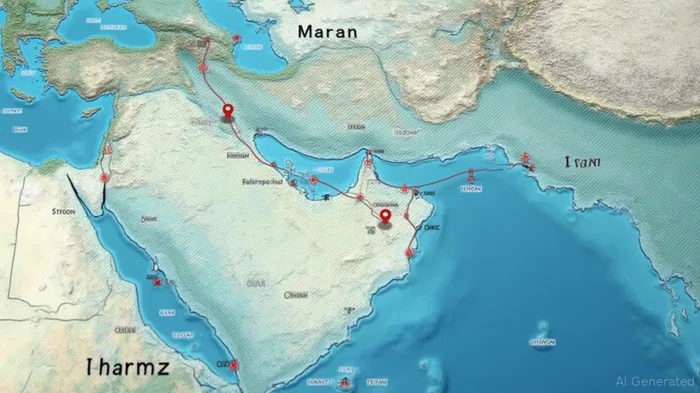
Technical analysis shows Brent crude's biggest one-day drop since July 2022—a $14 decline—was quickly retraced as traders doubted compliance. Analysts warn that renewed conflict could erase the risk premium's reduction and trigger a $130/barrel spike, erasing consumer stock gains.
Beyond Airlines: Diversifying Exposure in Energy Consumers
The gains aren't limited to aviation. Utilities and industrials, insulated from energy costs, have rallied. The Vanguard Utilities ETF and real estate firms like Prologis have attracted inflows as lower inflation eases Fed rate hike concerns.
Meanwhile, renewable energy and LNG sectors face mixed prospects. U.S. LNG exports could surge if sanctions on Russia's gas sales to Europe tighten, but methane regulations and Middle East instability cloud the outlook.
Investment Strategies: Navigating Volatility
Investors should remain cautious yet opportunistic:
- Underweight oil producers: ExxonMobil and Chevron face headwinds from oversupply and geopolitical uncertainty. Inverse ETFs like ProShares UltraShort Oil & Gas (SGO) could hedge against price spikes.
- Overweight energy consumers: Airlines (Delta, American Airlines) and trucking firms (J.B. Hunt) are top picks, but pair these with long-term plays in renewables.
- Hedge with defensive assets: Allocate 10–15% to gold ETFs (SPDR Gold Shares) or utilities to buffer against renewed tension or Fed hikes.
Conclusion
The Middle East ceasefire has created a temporary tailwind for energy consumer stocks, but its sustainability depends on OPEC+ discipline and geopolitical stability. With inventories swelling and OPEC+ divided, the path to $70–$75/barrel stability is narrow. Investors must balance exposure to cost-sensitive sectors while monitoring Strait of Hormuz tanker traffic and OPEC's July decision. In this volatile landscape, diversification—and a dash of hedging—will be key to outperforming.
As always, the oil market's heart beats to the rhythm of both supply and politics. For now, the ceasefire has calmed the pulse—but history suggests it won't stay tranquil for long.

Stay ahead of the market.
Get curated U.S. market news, insights and key dates delivered to your inbox.
AInvest
PRO
AInvest
PRO



Comments
No comments yet