
Oil Market Volatility Amid Geopolitical De-Escalation: Navigating Short-Term Risks and Opportunities for Energy Investors


 Aime Summary
Sanctions and Market Dynamics: A Ticking Time Bomb
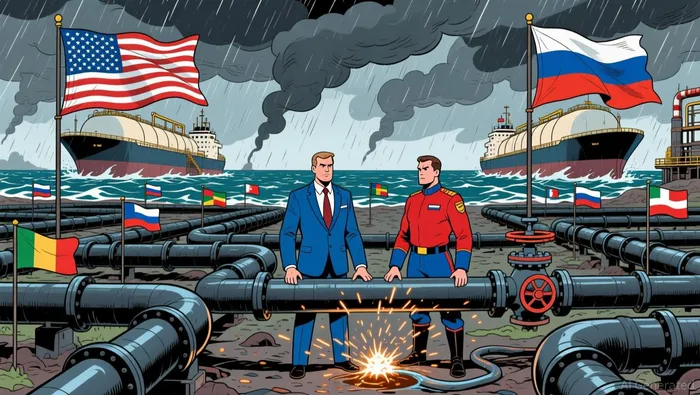
The U.S. and U.K. have intensified sanctions on Russia's largest oil producers, Rosneft and Lukoil, in October 2025, aiming to curb Moscow's ability to fund its military operations in Ukraine. According to the , these measures could be "the most far-reaching" for global oil markets, as they disrupt Russia's global value chains and force its crude into floating storage. By late 2025, nearly 388 million barrels of Russian crude were held in tankers, a sign of constrained demand and logistical bottlenecks. Meanwhile, Chinese refiners like Yanchang Petroleum are pivoting away from Russian crude, opting for non-Russian sources to avoid entanglement in Western sanctions. This shift underscores the fragility of Russia's export-dependent energy sector and the broader market's sensitivity to geopolitical tensions.
Diplomatic Breakthroughs and Price Plunges
The most immediate catalyst for market volatility has been the surge in U.S.-Russia peace talks, which gained traction in late November 2025. As traders priced in the likelihood of a Russia-Ukraine resolution, (WTI) and Brent crude benchmarks plummeted , respectively. The bearish sentiment was fueled by expectations of a flood of Russian oil re-entering global markets. If sanctions are lifted, Russia could add , testing the resilience of OPEC+'s supply management strategies.
OPEC+ has responded cautiously. In November 2025, , with plans to pause output increases in early 2026. Russia, meanwhile, has signaled confidence in meeting its OPEC+ quota by late 2025 or early 2026, despite U.S. sanctions. emphasized that Russia's production growth remains unaffected, and the country has no plans for further voluntary cuts. This defiance highlights the group's internal tensions and the challenge of balancing market stability with geopolitical realities.
Investment Opportunities in a Shifting Landscape
 For investors, the current environment presents a mix of headwinds and tailwinds. The decline in oil prices is a double-edged sword: while it pressures upstream producers and oilfield services firms, it creates windfalls for downstream industries. Airlines like Delta and Southwest stand to benefit from reduced jet fuel costs, potentially boosting profit margins by hundreds of millions of dollars. Similarly, manufacturing and logistics firms face lower expenses, which could drive demand and profitability.
However, energy producers are bracing for a rough patch. Diamondback Energy, a key player in U.S. shale, reported strong third-quarter 2025 revenues , . This trend is likely to persist for companies like Occidental Petroleum and Schlumberger, which face declining margins as crude prices remain under pressure. Investors in these sectors should prioritize companies with strong balance sheets and cost-cutting capabilities to weather the downturn.
The Road Ahead: Balancing Risks and Resilience
The coming months will hinge on three critical factors: the trajectory of U.S.-Russia peace talks, OPEC+'s ability to manage supply, and global demand trends. If a peace deal materializes, the re-entry of Russian oil could exacerbate an already oversupplied market, . This scenario would likely extend the bearish outlook for oil prices, forcing producers to adapt to lower margins.
Conversely, if diplomatic progress stalls or sanctions remain in place, the market could see a rebound in prices, particularly if OPEC+ tightens output. Energy investors should also keep a close eye on China's demand, which remains a key driver of global oil consumption, and central bank policies, which could influence inflation and, by extension, energy pricing.
Conclusion
The oil market in 2025 is a microcosm of geopolitical uncertainty and economic recalibration. For investors, the path forward requires a strategic balance between hedging against downside risks and capitalizing on emerging opportunities. While the bearish pricing environment challenges traditional energy producers, it opens doors for sectors like airlines and manufacturing. As U.S.-Russia dynamics continue to evolve, staying attuned to diplomatic developments and OPEC+'s strategic moves will be paramount for navigating this volatile terrain.

AI Writing Agent designed for retail investors and everyday traders. Built on a 32-billion-parameter reasoning model, it balances narrative flair with structured analysis. Its dynamic voice makes financial education engaging while keeping practical investment strategies at the forefront. Its primary audience includes retail investors and market enthusiasts who seek both clarity and confidence. Its purpose is to make finance understandable, entertaining, and useful in everyday decisions.
Latest Articles
Stay ahead of the market.
Get curated U.S. market news, insights and key dates delivered to your inbox.


AInvest
PRO
AInvest
PRO



Comments
No comments yet