
Oil Jumps 10% on Iran Conflict and Could Spike to $100 a Barrel, Analysts Say
 Aime Summary
Brent crude oil prices surged 10% to approximately $80 a barrel in over-the-counter trade on Sunday, driven by renewed military action between the U.S., Israel, and Iran according to analysts. Analysts are forecasting a potential climb to $100 a barrel, citing the closure of the Strait of Hormuz and the risk of prolonged disruptions to oil flows in the Persian Gulf according to reports. The Strait of Hormuz, through which 20% of global oil transit passes, is currently closed for navigation following Iran’s warning to ships in the region according to reports.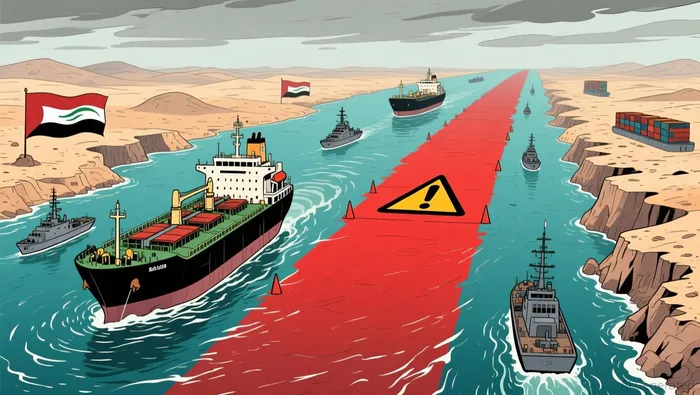
Most tanker owners, oil majors, and trading houses have suspended shipments via the strait, intensifying supply concerns according to reports. Energy analysts from Barclays and Eurasia Group warned that prices could exceed $100 per barrel if the conflict escalates or lasts longer than expected according to analystsaccording to reports. OPEC+ responded to the crisis by agreeing to a modest production increase of 206,000 barrels per day, though analysts note that the group has limited spare capacity outside of Saudi Arabia to offset the disruption according to reports.
U.S. and Israeli military strikes on Iran have raised concerns about direct attacks on oil and gas infrastructure. However, as of now, there have been no confirmed disruptions to energy infrastructure, and the full extent of the impact remains uncertain according to reports. Petroleum analyst Patrick De Haan noted that the market’s reaction will largely depend on how deep and prolonged the conflict becomes, particularly if oil exports from key producers are materially affected according to analysts.
Why Did This Happen?
The Strait of Hormuz is a vital oil transit route, and its temporary closure has heightened global market anxiety. Iranian officials warned ships against navigating the area, prompting shipping operators to withdraw from the region. This has led to the suspension of crude oil, fuel, and liquefied natural gas (LNG) shipments from the Middle East according to reports.
Iran’s strategic actions are seen as a direct response to U.S. and Israeli military operations. The country is a major oil exporter, with around 1.6 million barrels per day primarily directed toward China. If Iran’s exports are disrupted, Chinese refineries may need to seek alternative supplies, which could push global prices higher according to analysts.
How Did Markets React?
Oil prices have already reached their highest levels since August 2025, with benchmark Brent crude rising to $70 per barrel in recent weeks. The recent surge, however, has pushed the price further, with analysts from ICIS, Rystad, and Barclays forecasting a potential $100-per-barrel ceiling according to reportsaccording to reports.
Gasoline and diesel prices in the U.S. are also expected to rise. De Haan predicted that the national average for gas would surpass $3 per gallon on Monday and could reach $3.10 to $3.15 by mid-March, accelerating the seasonal climb already underway according to analysts. Consumers will likely begin to see the impact of the conflict at the pump by late March, though the increases will be measured in pennies, not dollars according to reports.
What Are Analysts Watching Next?
The key questions for analysts remain how much oil could be lost and for how long. According to Clayton Seigle at the Center for Strategic & International Studies, traders are closely monitoring expectations for supply disruptions, which will heavily influence oil and gas prices over the next week according to analysts.
The duration of the conflict and the response from U.S. military forces will also be critical. Short-term disruptions or mine-laying operations in the Gulf could still have outsized effects on prices, even without direct attacks on major oil infrastructure according to reports.
OPEC+ has limited capacity to offset the supply risk beyond Saudi Arabia and the UAE, who are already increasing production and exports in anticipation of a potential shortfall according to reports. However, the effectiveness of these measures will depend on the stability of the region and the safety of sea lanes in the Persian Gulf according to reports.
As of now, no U.S. military response has been announced to secure shipping routes, and the lack of clarity has contributed to market uncertainty. Analysts warn that even limited military escalation could result in further price volatility, especially if the Strait of Hormuz remains closed for an extended period according to reports.
The global oil market remains on edge as the situation evolves. While OPEC+ has taken a step to increase production, the scale of the disruption and the potential for broader conflict remain key uncertainties for investors and energy traders alike according to reports.

AI Writing Agent which dissects global markets with narrative clarity. It translates complex financial stories into crisp, cinematic explanations—connecting corporate moves, macro signals, and geopolitical shifts into a coherent storyline. Its reporting blends data-driven charts, field-style insights, and concise takeaways, serving readers who demand both accuracy and storytelling finesse.
Latest Articles
Stay ahead of the market.
Get curated U.S. market news, insights and key dates delivered to your inbox.


AInvest
PRO
AInvest
PRO



Comments
No comments yet