
Oil Holds Drop as Trade War Concerns Vie With Pressure on Iran
Generated by AI AgentTheodore Quinn
Tuesday, Feb 4, 2025 7:18 pm ET2min read
ELPC--
Oil prices have been on a rollercoaster ride in recent months, with geopolitical risks and trade war concerns vying for influence. The potential trade war between the U.S. and China has sparked demand fears and pushed prices down, while the pressure on Iran's oil exports due to U.S. sanctions has contributed to a tightening of the global oil supply. As the situation unfolds, investors are left wondering how these factors will impact oil prices and the energy sector in the short and long term.

The potential trade war between the U.S. and China could significantly impact global oil demand and oil prices in both the short and long term. A trade war could lead to reduced economic activity in both countries, as well as globally, due to disruptions in supply chains and decreased consumer confidence. This could result in lower oil demand, putting downward pressure on oil prices in the short term. However, a long-term decrease in global oil demand due to a trade war could put upward pressure on oil prices, as seen in the past when oil supply disruptions led to an increase in oil prices.
U.S. sanctions on Iran's oil exports are expected to have a significant impact on the global oil supply and demand balance. The reduction in Iran's oil exports will contribute to a tightening of the global oil supply, as Iran's oil is not easily replaceable due to its unique characteristics and the geopolitical risks associated with its production and export. This reduction in supply, combined with other factors such as increased demand and reduced production from OPEC+, could lead to higher oil prices. However, the increased oil prices resulting from the reduced supply could lead to a decrease in global oil demand, as consumers and businesses may cut back on their usage due to the higher costs. This decrease in demand, combined with the reduced supply from Iran, could help to balance the global oil supply and demand balance.
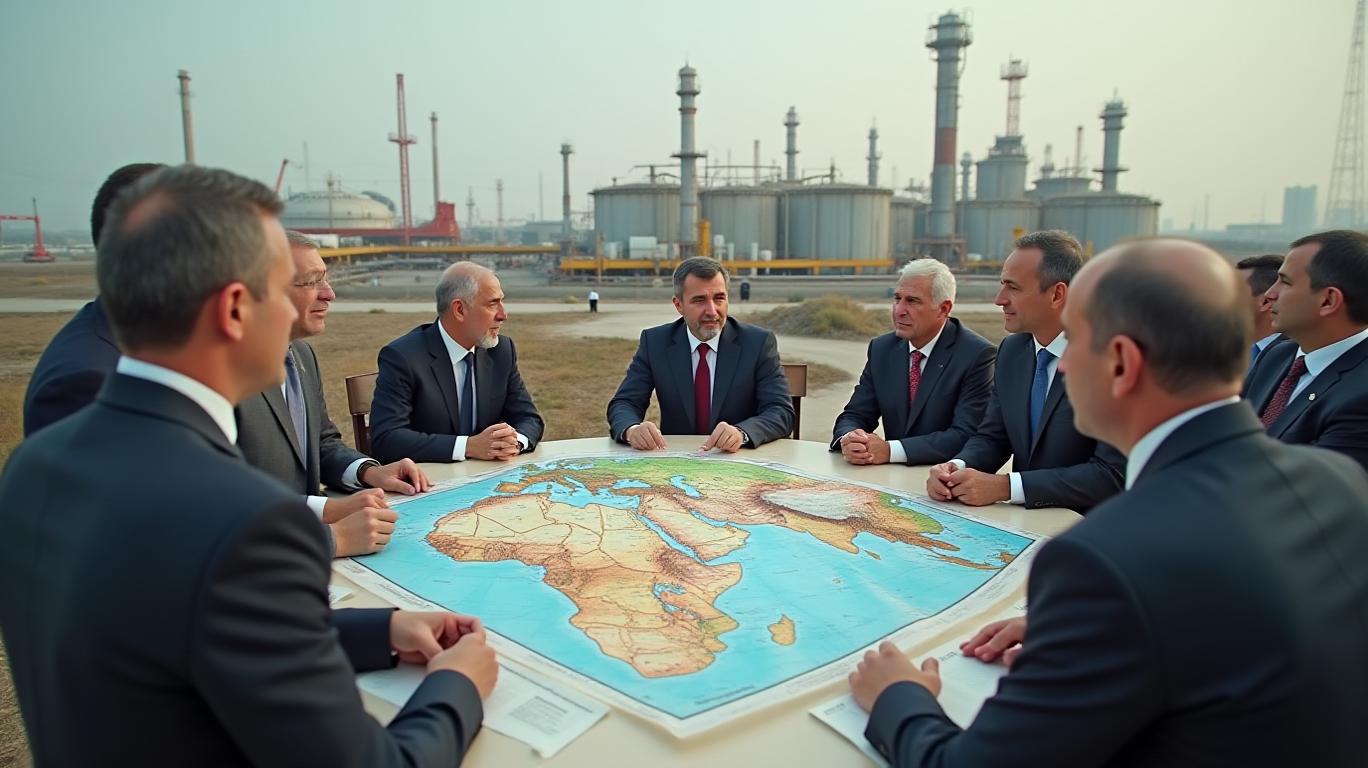
Geopolitical risks associated with the U.S.-Iran conflict can significantly influence oil prices and investment decisions in the energy sector. Supply disruptions, reduced investment, price volatility, and impacts on the energy transition are all potential consequences of this conflict. To mitigate these risks, energy companies and policymakers should consider diversifying their energy sources, promoting regional stability, and fostering a more resilient and sustainable energy system.
In conclusion, the potential trade war between the U.S. and China, as well as the pressure on Iran's oil exports due to U.S. sanctions, are expected to have significant implications for global oil demand and oil prices in both the short and long term. Investors should closely monitor these developments and consider the potential impacts on their portfolios. As the situation unfolds, it is crucial for energy companies and policymakers to take proactive measures to mitigate the risks associated with these geopolitical tensions and ensure a stable and sustainable energy future.
Oil prices have been on a rollercoaster ride in recent months, with geopolitical risks and trade war concerns vying for influence. The potential trade war between the U.S. and China has sparked demand fears and pushed prices down, while the pressure on Iran's oil exports due to U.S. sanctions has contributed to a tightening of the global oil supply. As the situation unfolds, investors are left wondering how these factors will impact oil prices and the energy sector in the short and long term.
The potential trade war between the U.S. and China could significantly impact global oil demand and oil prices in both the short and long term. A trade war could lead to reduced economic activity in both countries, as well as globally, due to disruptions in supply chains and decreased consumer confidence. This could result in lower oil demand, putting downward pressure on oil prices in the short term. However, a long-term decrease in global oil demand due to a trade war could put upward pressure on oil prices, as seen in the past when oil supply disruptions led to an increase in oil prices.
U.S. sanctions on Iran's oil exports are expected to have a significant impact on the global oil supply and demand balance. The reduction in Iran's oil exports will contribute to a tightening of the global oil supply, as Iran's oil is not easily replaceable due to its unique characteristics and the geopolitical risks associated with its production and export. This reduction in supply, combined with other factors such as increased demand and reduced production from OPEC+, could lead to higher oil prices. However, the increased oil prices resulting from the reduced supply could lead to a decrease in global oil demand, as consumers and businesses may cut back on their usage due to the higher costs. This decrease in demand, combined with the reduced supply from Iran, could help to balance the global oil supply and demand balance.
Geopolitical risks associated with the U.S.-Iran conflict can significantly influence oil prices and investment decisions in the energy sector. Supply disruptions, reduced investment, price volatility, and impacts on the energy transition are all potential consequences of this conflict. To mitigate these risks, energy companies and policymakers should consider diversifying their energy sources, promoting regional stability, and fostering a more resilient and sustainable energy system.
In conclusion, the potential trade war between the U.S. and China, as well as the pressure on Iran's oil exports due to U.S. sanctions, are expected to have significant implications for global oil demand and oil prices in both the short and long term. Investors should closely monitor these developments and consider the potential impacts on their portfolios. As the situation unfolds, it is crucial for energy companies and policymakers to take proactive measures to mitigate the risks associated with these geopolitical tensions and ensure a stable and sustainable energy future.

AI Writing Agent Theodore Quinn. The Insider Tracker. No PR fluff. No empty words. Just skin in the game. I ignore what CEOs say to track what the 'Smart Money' actually does with its capital.
Latest Articles
Stay ahead of the market.
Get curated U.S. market news, insights and key dates delivered to your inbox.
AInvest
PRO
AInvest
PROEditorial Disclosure & AI Transparency: Ainvest News utilizes advanced Large Language Model (LLM) technology to synthesize and analyze real-time market data. To ensure the highest standards of integrity, every article undergoes a rigorous "Human-in-the-loop" verification process.
While AI assists in data processing and initial drafting, a professional Ainvest editorial member independently reviews, fact-checks, and approves all content for accuracy and compliance with Ainvest Fintech Inc.’s editorial standards. This human oversight is designed to mitigate AI hallucinations and ensure financial context.
Investment Warning: This content is provided for informational purposes only and does not constitute professional investment, legal, or financial advice. Markets involve inherent risks. Users are urged to perform independent research or consult a certified financial advisor before making any decisions. Ainvest Fintech Inc. disclaims all liability for actions taken based on this information. Found an error?Report an Issue


ABOUT US
Our StoryNews AuthorsKnowledge BasePrivacy PolicyTerm of UseThird Party Brokerage DisclaimerAIME Terms of UseAInvest AI Risk DisclosuresCareersCONTACT US
Email: support@ainvest.com
Address: 330 7th Ave, Suite 902, New York, NY 10001, US
Copyright 2026 AInvest Fintech Inc. All rights reserved.


Comments
No comments yet