
Oil Futures Fluctuate Amid U.S.-Iran Tensions and Strategic Strait Risks
 Aime Summary
Oil prices surged over 3.7% in February 2026 due to heightened U.S.-Iran tensions, raising 2026 forecasts for Brent Crude to $63.85 per barrel. A potential U.S.-Israeli strike on Iran could disrupt 20% of global oil flows through the Strait of Hormuz, pushing prices toward $80–$100 per barrel in worst-case scenarios. Geopolitical risk premiums currently price in $4–$10 per barrel, driven by uncertainty around Iran's retaliation, supply infrastructure risks, and Strait of Hormuz accessibility.
Oil futures markets have been anything but calm in early 2026. With geopolitical tensions spiking after U.S. and Israeli military actions against Iran, traders are factoring in massive risk premiums. The result? Volatility, uncertainty, and a rapidly shifting landscape for oil investors. While some analysts warn of potential price spikes exceeding $100 per barrel, others argue the risk is more short-lived—depending on how Iran responds. What's clear is that oil futures are no longer just about supply and demand; they're about global stability. Let's break down what's at stake and what investors should watch.
What Are Oil Futures and Why Do They Matter Now?
Oil futures are standardized contracts that allow traders to buy or sell a specific amount of crude oil at a predetermined price and future date. For investors, they're a way to hedge against price swings or speculate on where the market is headed. In 2026, the U.S.-Iran standoff has introduced a new layer of volatility: geopolitical risk. Analysts now estimate a $4–$10 per barrel war premium is baked into prices, based on fears of supply disruptions.
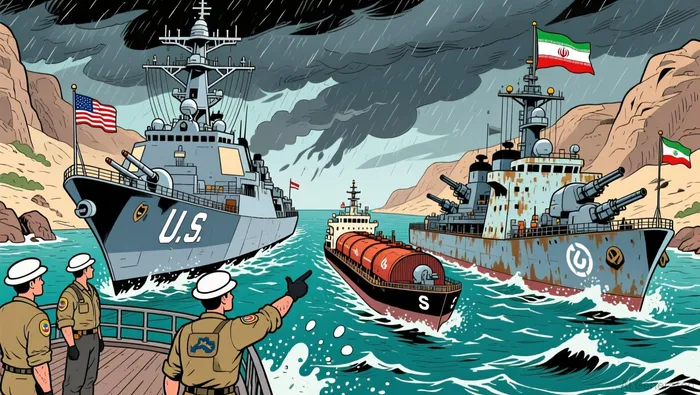
This means even a minor escalation—like a missile strike on an oil terminal or a closure of the Strait of Hormuz—could send prices surging. Iran's control of that key shipping lane makes it a wildcard: any threat to its safe passage could cause bottlenecks, panic buying, and a rapid spike in global prices. For investors, understanding this dynamic is crucial. Oil futures aren't just reacting to supply chains anymore—they're pricing in the risk of war.
Why Oil Prices Jittered in February 2026
February 2026 was a rollercoaster for oil markets. On the first week, prices jumped over 3.7% as U.S.-Iran tensions flared. By week's end, prices had dipped again after indirect talks in Geneva showed signs of progress. This seesaw pattern reflects the market's uncertainty: every diplomatic win is followed by a spike in optimism, while every military escalation adds a new layer of risk.
The key event was the U.S. and Israel's military strikes on Iran, which led to immediate retaliation and fears of a wider conflict. Iran launched missile attacks on U.S. bases in the Gulf, and its control over the Strait of Hormuz raised concerns of a blockade. While a full-scale closure remains unlikely, even a partial slowdown would trigger massive price spikes. Traders are also watching OPEC+ moves, as the group considers increasing output by 137,000 barrels per day in April to offset potential disruptions.
What This Means for Investors and What to Watch
For investors, the takeaway is clear: oil futures are now more sensitive than ever to geopolitical developments. The U.S.-Iran tensions aren't just a regional issue—they're a global market driver. Here's what to watch:
- The Strait of Hormuz: If Iran makes the strait unsafe for commercial traffic, oil prices could surge to $100 per barrel or more.
- Iranian retaliation: Any damage to key infrastructure, like the Kharg Island terminal or Assaluyeh gas processing plant, could cause lasting supply disruptions.
- OPEC+ response: The group's ability to ramp up production may help offset price spikes, but its hands are tied by existing output agreements.
- U.S. military and diplomatic moves: A full-scale military action could lead to a global oil shock, while a de-escalation could unwind the $8–$10 war premium.
Bottom line: Oil futures are no longer just about fundamentals. They're a barometer for global stability. Investors need to keep a close eye on the Middle East, the Strait of Hormuz, and OPEC+ decisions in the coming months.
What Are the Long-Term Implications for Oil Markets?
The long-term implications depend on how the U.S.-Iran conflict unfolds. If a diplomatic resolution is reached quickly, prices could drop by $3–$5 per barrel as the risk premium unwinds. However, if the conflict escalates and Iran retaliates with attacks on energy infrastructure, the market could see a prolonged period of volatility. Analysts at Barclays warn that even a limited 1 million barrel per day disruption could push prices toward $80 per barrel.
For now, the market is balancing two narratives: the risk of a sharp price spike and the possibility of a more controlled de-escalation. As of March 2026, U.S.-Iran talks remain in progress, and technical discussions are expected in Vienna. Investors should monitor the tone of these negotiations, as a constructive resolution could stabilize prices. On the flip side, any breakdown could send oil futures into another round of turbulence.
How Will This Impact Other Commodities and Asset Classes?
The ripple effects of oil volatility extend beyond the energy sector. A spike in crude prices tends to boost agricultural commodities like soybean oil and wheat, as higher oil prices increase transportation and production costs. At the same time, a prolonged oil shock could trigger a global economic slowdown, reducing demand and eventually pushing prices lower. That said, the near-term risk is higher: a worst-case scenario could see crude jump to $140 per barrel as buyers scramble for alternatives.
Investors should also consider how oil volatility affects safe-haven assets like gold and U.S. Treasuries. A severe disruption in the Strait of Hormuz could trigger a broader risk-off trade, sending money into these assets while pulling it from equities and other high-risk holdings. The key is to stay agile and monitor the geopolitical landscape closely.

Stay ahead of the market.
Get curated U.S. market news, insights and key dates delivered to your inbox.


AInvest
PRO
AInvest
PRO



Comments
No comments yet