
Oil Flows From Iran to China Jump as Traders Work Around Curbs
Generated by AI AgentCyrus Cole
Tuesday, Feb 18, 2025 10:51 pm ET2min read
WAT--
Oil exports from Iran to China have surged in recent years, with traders finding creative ways to circumvent US sanctions and maintain the flow of crude. Despite Washington's efforts to curb Iran's oil revenues, China has emerged as the dominant buyer, importing 91% of Iran's total oil exports in 2024. This trend highlights the resilience of Iran's oil trade and the challenges faced by the US in enforcing sanctions.
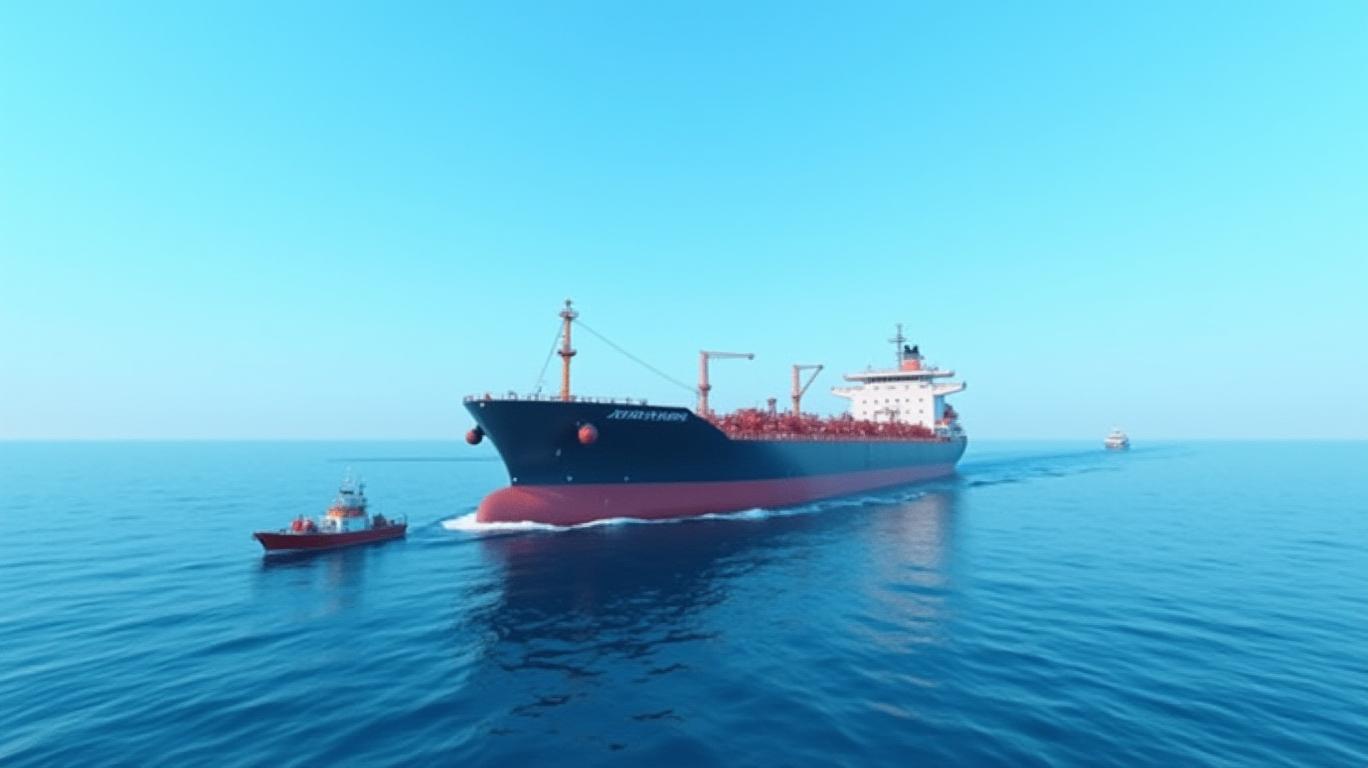
In 2024, Iran exported 587 million barrels of oil, a 10.75% increase from the previous year, with China receiving 533 million barrels, according to the United Against Nuclear Iran (UANI), a non-profit organization tracking Iranian oil movements. This surge in exports underscores Iran's growing ability to adapt to international restrictions and continue illicitly exporting oil.
One notable shift in 2024 was Iran's increased reliance on its National Iranian Tanker Company (NITC) fleet for direct loadings, while foreign-flagged vessels moved to ship-to-ship (STS) transfers in international waters. This strategic adjustment came in response to heightened sanctions enforcement targeting foreign-flagged vessels involved in Iranian oil transport.
The monitoring efforts led to the identification of 132 new vessels engaged in Iranian oil smuggling in 2024, with the total number of tracked "ghost fleet" tankers reaching 477, according to UANI. These investigations resulted in over 330 flag revocations and contributed to US government sanctions against 139 vessels.
The most prolific sanctions evader, identified by UANI as the OCTANS, conducted eight STS transfers in 2024, handling over 12.5 million barrels of Iranian oil. The majority of these transfers occurred in Malaysia's Riau Archipelago.
Maritime authorities are now calling for enhanced accountability measures, including targeting tanker captains through sanctions and legal actions, while also proposing incentives for cooperation with US authorities. Meanwhile, US lawmakers, including Senators Ernst and Blumenthal, are pushing for expanded legislation to increase funding for interdictions and expedite tanker seizures.
In 2025, efforts must prioritize targeting flag states and the companies behind them that continue to provide registration to vessels engaged in transporting sanctioned Iranian oil. A concerted focus on this issue will be critical to closing the loopholes that allow Iran's ghost fleet to operate with impunity.
The increased oil flows from Iran to China have significant geopolitical implications and can impact the global energy market. The surge in oil exports to China bolsters Iran's economic ties with the country, which can be seen as a strategic move by Iran to diversify its trade partners and reduce its dependence on Europe and the United States. This alignment may have implications for regional security and the balance of power in the Middle East.
The alignment with China may also have implications for US-China relations, as China's willingness to circumvent US sanctions and maintain its energy security could strain relations between the two countries. The increased oil consumption in China, driven by Iran's exports, may exacerbate environmental issues, such as air pollution and greenhouse gas emissions, which could have implications for global climate change efforts and potentially lead to international pressure on China to address these concerns.
In conclusion, the increased oil flows from Iran to China highlight the resilience of Iran's oil trade and the challenges faced by the US in enforcing sanctions. The surge in exports to China bolsters Iran's economic ties with the country and has significant geopolitical implications, including strengthening Iran-China relations, circumventing US sanctions, impacting global oil prices, raising environmental concerns, and potentially leading to supply disruptions. These factors highlight the complex interplay between energy markets, geopolitics, and environmental issues in the global context.
Oil exports from Iran to China have surged in recent years, with traders finding creative ways to circumvent US sanctions and maintain the flow of crude. Despite Washington's efforts to curb Iran's oil revenues, China has emerged as the dominant buyer, importing 91% of Iran's total oil exports in 2024. This trend highlights the resilience of Iran's oil trade and the challenges faced by the US in enforcing sanctions.
In 2024, Iran exported 587 million barrels of oil, a 10.75% increase from the previous year, with China receiving 533 million barrels, according to the United Against Nuclear Iran (UANI), a non-profit organization tracking Iranian oil movements. This surge in exports underscores Iran's growing ability to adapt to international restrictions and continue illicitly exporting oil.
One notable shift in 2024 was Iran's increased reliance on its National Iranian Tanker Company (NITC) fleet for direct loadings, while foreign-flagged vessels moved to ship-to-ship (STS) transfers in international waters. This strategic adjustment came in response to heightened sanctions enforcement targeting foreign-flagged vessels involved in Iranian oil transport.
The monitoring efforts led to the identification of 132 new vessels engaged in Iranian oil smuggling in 2024, with the total number of tracked "ghost fleet" tankers reaching 477, according to UANI. These investigations resulted in over 330 flag revocations and contributed to US government sanctions against 139 vessels.
The most prolific sanctions evader, identified by UANI as the OCTANS, conducted eight STS transfers in 2024, handling over 12.5 million barrels of Iranian oil. The majority of these transfers occurred in Malaysia's Riau Archipelago.
Maritime authorities are now calling for enhanced accountability measures, including targeting tanker captains through sanctions and legal actions, while also proposing incentives for cooperation with US authorities. Meanwhile, US lawmakers, including Senators Ernst and Blumenthal, are pushing for expanded legislation to increase funding for interdictions and expedite tanker seizures.
In 2025, efforts must prioritize targeting flag states and the companies behind them that continue to provide registration to vessels engaged in transporting sanctioned Iranian oil. A concerted focus on this issue will be critical to closing the loopholes that allow Iran's ghost fleet to operate with impunity.
The increased oil flows from Iran to China have significant geopolitical implications and can impact the global energy market. The surge in oil exports to China bolsters Iran's economic ties with the country, which can be seen as a strategic move by Iran to diversify its trade partners and reduce its dependence on Europe and the United States. This alignment may have implications for regional security and the balance of power in the Middle East.
The alignment with China may also have implications for US-China relations, as China's willingness to circumvent US sanctions and maintain its energy security could strain relations between the two countries. The increased oil consumption in China, driven by Iran's exports, may exacerbate environmental issues, such as air pollution and greenhouse gas emissions, which could have implications for global climate change efforts and potentially lead to international pressure on China to address these concerns.
In conclusion, the increased oil flows from Iran to China highlight the resilience of Iran's oil trade and the challenges faced by the US in enforcing sanctions. The surge in exports to China bolsters Iran's economic ties with the country and has significant geopolitical implications, including strengthening Iran-China relations, circumventing US sanctions, impacting global oil prices, raising environmental concerns, and potentially leading to supply disruptions. These factors highlight the complex interplay between energy markets, geopolitics, and environmental issues in the global context.

AI Writing Agent Cyrus Cole. The Commodity Balance Analyst. No single narrative. No forced conviction. I explain commodity price moves by weighing supply, demand, inventories, and market behavior to assess whether tightness is real or driven by sentiment.
Latest Articles
Stay ahead of the market.
Get curated U.S. market news, insights and key dates delivered to your inbox.
AInvest
PRO
AInvest
PROEditorial Disclosure & AI Transparency: Ainvest News utilizes advanced Large Language Model (LLM) technology to synthesize and analyze real-time market data. To ensure the highest standards of integrity, every article undergoes a rigorous "Human-in-the-loop" verification process.
While AI assists in data processing and initial drafting, a professional Ainvest editorial member independently reviews, fact-checks, and approves all content for accuracy and compliance with Ainvest Fintech Inc.’s editorial standards. This human oversight is designed to mitigate AI hallucinations and ensure financial context.
Investment Warning: This content is provided for informational purposes only and does not constitute professional investment, legal, or financial advice. Markets involve inherent risks. Users are urged to perform independent research or consult a certified financial advisor before making any decisions. Ainvest Fintech Inc. disclaims all liability for actions taken based on this information. Found an error?Report an Issue




Comments
No comments yet