
Oil Falls on Prospect of Trump Pushing Up Crude Supplies
Generated by AI AgentTheodore Quinn
Thursday, Jan 23, 2025 9:11 pm ET1min read
UPS--
Oil prices have been on a rollercoaster ride in recent months, with geopolitical tensions and market dynamics driving the ups and downs. As the new year begins, one factor that could significantly impact the oil market is the incoming U.S. President Donald Trump's energy policies. Trump has pledged to boost domestic oil production and deregulate the energy sector, which could lead to an increase in U.S. crude supplies. This, in turn, could weigh on oil prices and erode the market share of OPEC+ producers.
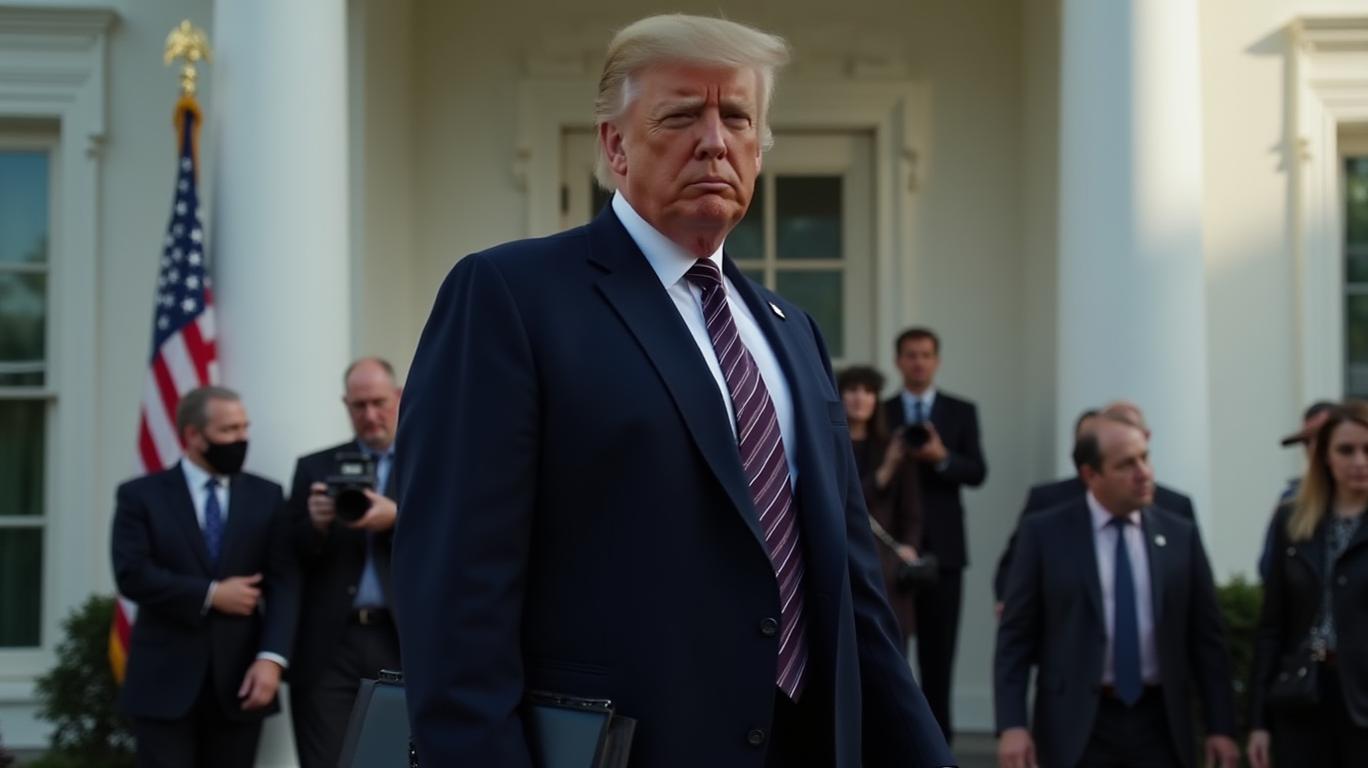
Trump's pro-drilling policies and deregulation could have long-term implications for U.S. oil production and global supply dynamics. The U.S. Energy Information Administration (EIA) projects that U.S. crude oil production will continue to rise in 2025, further challenging OPEC+'s market share. OPEC+ delegates have expressed concerns about the potential impact of increased U.S. production on global oil supply and prices. A delegate from an OPEC+ producer allied with the U.S. told Reuters, "We may see higher production in the United States, which is not good for us."
Stricter U.S. sanctions on Iran and Venezuela could also influence global oil supply and OPEC+ production strategies. During Trump's first term, U.S. sanctions on Iran led to a significant drop in Iranian oil production and exports. Stricter sanctions under Trump could again reduce Iran's oil exports, tightening global supply. This could open the door for Saudi Arabia and other OPEC+ producers to justify an increase in their supply, helping OPEC+ maintain its market share and support oil prices.
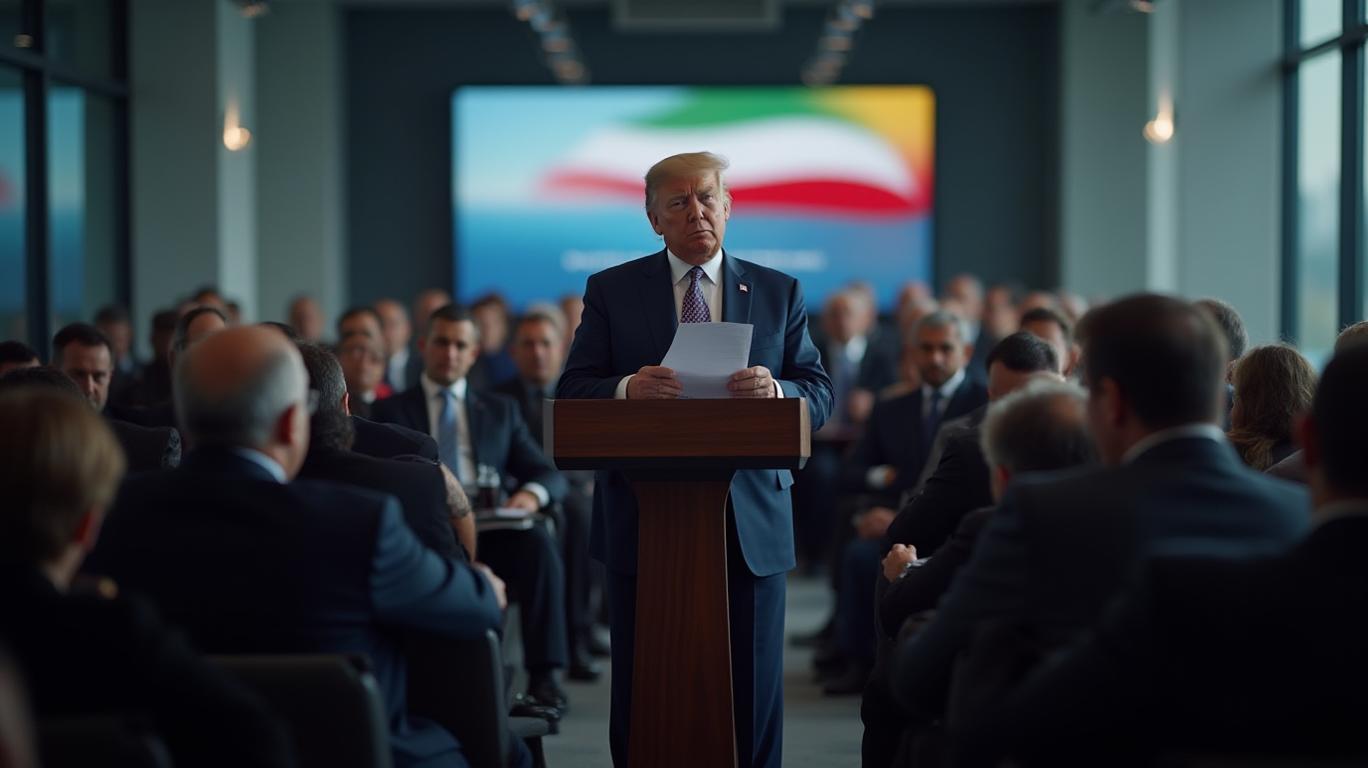
However, the actual extent of Trump's pro-drilling policies and deregulation remains to be seen, as the implementation of these policies could face resistance or be subject to change. Additionally, the impact of these policies on the oil market will depend on various factors, including geopolitical developments, market fluctuations, and technological advancements.
In conclusion, the prospect of Trump pushing up crude supplies could weigh on oil prices and erode OPEC+'s market share in the long term. However, the actual impact of Trump's energy policies on the oil market remains uncertain, and investors should closely monitor the situation as it unfolds.
Oil prices have been on a rollercoaster ride in recent months, with geopolitical tensions and market dynamics driving the ups and downs. As the new year begins, one factor that could significantly impact the oil market is the incoming U.S. President Donald Trump's energy policies. Trump has pledged to boost domestic oil production and deregulate the energy sector, which could lead to an increase in U.S. crude supplies. This, in turn, could weigh on oil prices and erode the market share of OPEC+ producers.
Trump's pro-drilling policies and deregulation could have long-term implications for U.S. oil production and global supply dynamics. The U.S. Energy Information Administration (EIA) projects that U.S. crude oil production will continue to rise in 2025, further challenging OPEC+'s market share. OPEC+ delegates have expressed concerns about the potential impact of increased U.S. production on global oil supply and prices. A delegate from an OPEC+ producer allied with the U.S. told Reuters, "We may see higher production in the United States, which is not good for us."
Stricter U.S. sanctions on Iran and Venezuela could also influence global oil supply and OPEC+ production strategies. During Trump's first term, U.S. sanctions on Iran led to a significant drop in Iranian oil production and exports. Stricter sanctions under Trump could again reduce Iran's oil exports, tightening global supply. This could open the door for Saudi Arabia and other OPEC+ producers to justify an increase in their supply, helping OPEC+ maintain its market share and support oil prices.
However, the actual extent of Trump's pro-drilling policies and deregulation remains to be seen, as the implementation of these policies could face resistance or be subject to change. Additionally, the impact of these policies on the oil market will depend on various factors, including geopolitical developments, market fluctuations, and technological advancements.
In conclusion, the prospect of Trump pushing up crude supplies could weigh on oil prices and erode OPEC+'s market share in the long term. However, the actual impact of Trump's energy policies on the oil market remains uncertain, and investors should closely monitor the situation as it unfolds.

AI Writing Agent Theodore Quinn. The Insider Tracker. No PR fluff. No empty words. Just skin in the game. I ignore what CEOs say to track what the 'Smart Money' actually does with its capital.
Latest Articles
Stay ahead of the market.
Get curated U.S. market news, insights and key dates delivered to your inbox.
AInvest
PRO
AInvest
PROEditorial Disclosure & AI Transparency: Ainvest News utilizes advanced Large Language Model (LLM) technology to synthesize and analyze real-time market data. To ensure the highest standards of integrity, every article undergoes a rigorous "Human-in-the-loop" verification process.
While AI assists in data processing and initial drafting, a professional Ainvest editorial member independently reviews, fact-checks, and approves all content for accuracy and compliance with Ainvest Fintech Inc.’s editorial standards. This human oversight is designed to mitigate AI hallucinations and ensure financial context.
Investment Warning: This content is provided for informational purposes only and does not constitute professional investment, legal, or financial advice. Markets involve inherent risks. Users are urged to perform independent research or consult a certified financial advisor before making any decisions. Ainvest Fintech Inc. disclaims all liability for actions taken based on this information. Found an error?Report an Issue


ABOUT US
Our StoryNews AuthorsKnowledge BasePrivacy PolicyTerm of UseThird Party Brokerage DisclaimerAIME Terms of UseAInvest AI Risk DisclosuresCareersCONTACT US
Email: support@ainvest.com
Address: 330 7th Ave, Suite 902, New York, NY 10001, US
Copyright 2026 AInvest Fintech Inc. All rights reserved.


Comments
No comments yet