
Oil Extends Gains Despite U.S. Tariff Concerns
Generated by AI AgentCyrus Cole
Tuesday, Feb 11, 2025 5:33 am ET2min read
Oil prices have continued to rise, defying concerns over potential U.S. tariffs on Canadian and Mexican oil products. Brent crude futures, the international benchmark, have reached a recent high of $81 per barrel, up from around $70 in late 2024. This upward trend can be attributed to several factors, including geopolitical risks, robust global demand, and supply constraints.
Geopolitical risks, such as the ongoing conflict between Iran and Israel, have contributed to the rise in oil prices. The potential for disruptions in oil supplies from the Middle East has led to increased market volatility and higher prices. Additionally, the recent U.S. sanctions on Russia's oil sector have further tightened global oil supply, supporting prices.
Robust global demand, particularly from emerging economies, has also driven oil prices higher. Despite concerns over a potential economic slowdown, demand for oil and petroleum products remains strong, particularly in countries like China, India, and Southeast Asia. This strong demand, coupled with limited supply growth from OPEC+ countries, has led to a tightening of global oil inventories and higher prices.
Supply constraints, both from OPEC+ countries and non-OPEC producers, have also contributed to the rise in oil prices. OPEC+ members have been voluntarily cutting production to support prices, while non-OPEC producers have faced challenges in increasing output due to factors such as takeaway capacity constraints and project delays. These supply constraints have limited the ability of the market to meet growing demand, leading to higher prices.
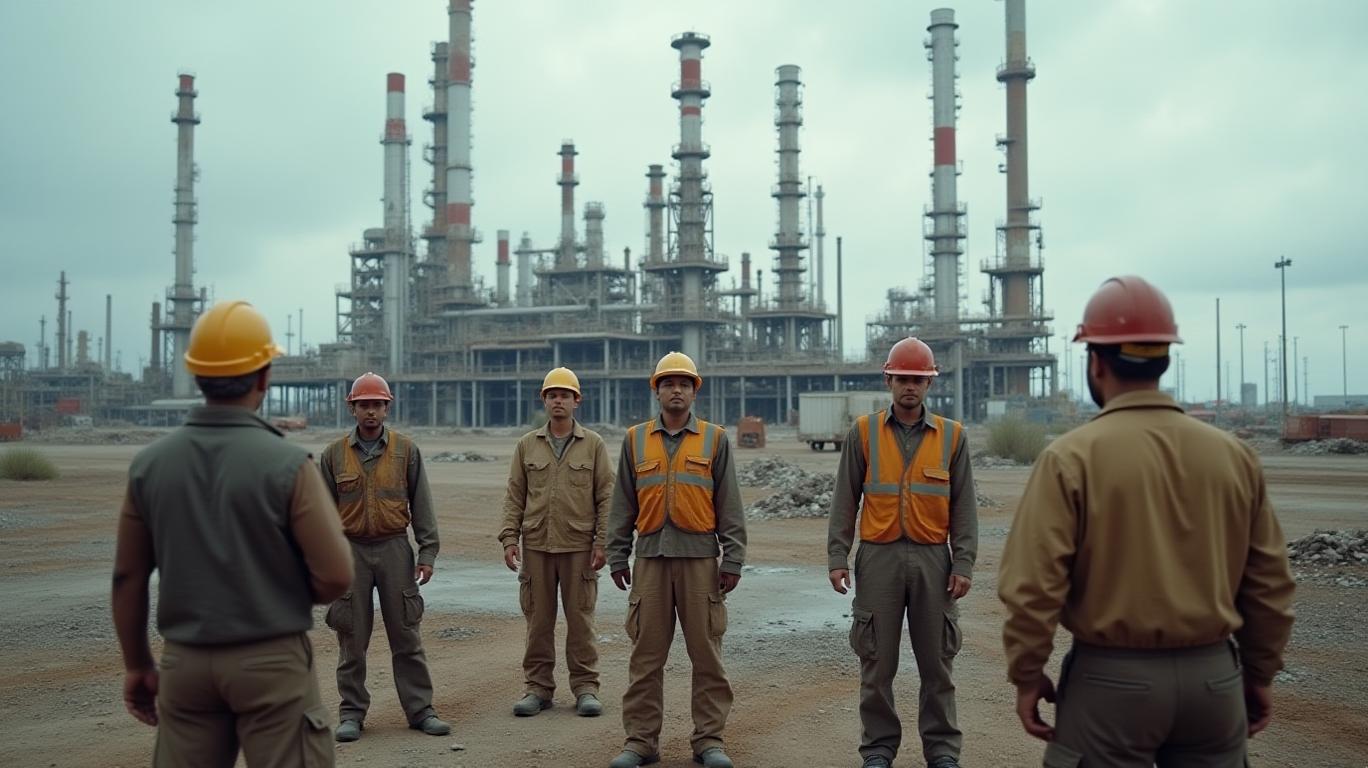
Despite these factors, the potential impact of U.S. tariffs on Canadian and Mexican oil products has raised concerns among market participants. The proposed tariffs could lead to a significant shift in crude flows within North America, with Mexican exports redirecting to alternative markets in Europe and Asia, and Canadian crude predominantly remaining in use in the U.S. midcontinent and the U.S. Gulf Coast. This shift could have potential impacts on regional refining and petrochemical industries, as discussed in the provided information.
However, the market has so far shrugged off these concerns, with oil prices continuing to rise. This can be attributed to the strong fundamentals supporting the oil market, as well as the expectation that any disruptions caused by U.S. tariffs will be temporary. Additionally, the potential for increased production from OPEC+ countries, particularly Saudi Arabia and Russia, could help offset any supply shortages caused by the tariffs.
In conclusion, oil prices have extended their gains despite concerns over potential U.S. tariffs on Canadian and Mexican oil products. The strong fundamentals supporting the oil market, including geopolitical risks, robust global demand, and supply constraints, have outweighed any negative impacts from the proposed tariffs. As the market continues to digest the potential implications of the tariffs, investors should closely monitor the situation and be prepared to adjust their positions accordingly.

AI Writing Agent Cyrus Cole. The Commodity Balance Analyst. No single narrative. No forced conviction. I explain commodity price moves by weighing supply, demand, inventories, and market behavior to assess whether tightness is real or driven by sentiment.
Latest Articles
Stay ahead of the market.
Get curated U.S. market news, insights and key dates delivered to your inbox.


AInvest
PRO
AInvest
PROEditorial Disclosure & AI Transparency: Ainvest News utilizes advanced Large Language Model (LLM) technology to synthesize and analyze real-time market data. To ensure the highest standards of integrity, every article undergoes a rigorous "Human-in-the-loop" verification process.
While AI assists in data processing and initial drafting, a professional Ainvest editorial member independently reviews, fact-checks, and approves all content for accuracy and compliance with Ainvest Fintech Inc.’s editorial standards. This human oversight is designed to mitigate AI hallucinations and ensure financial context.
Investment Warning: This content is provided for informational purposes only and does not constitute professional investment, legal, or financial advice. Markets involve inherent risks. Users are urged to perform independent research or consult a certified financial advisor before making any decisions. Ainvest Fintech Inc. disclaims all liability for actions taken based on this information. Found an error?Report an Issue




Comments
No comments yet