
Oil Drops 6% as War Fears Fade-OPEC+ Just Turns Up the Tap Again


 Aime Summary
War fears are fading faster than the market expected
Oil is repricing less on new fundamentals and more on a rapidly easing geopolitical outlook. After prices topped above $95 a barrel last week on escalation fears, Brent has dropped 6% to below $91 a barrel. The pause in U.S. strikes on Iran has led traders to reassess the immediacy of the supply threat from the Gulf.
That does not mean Middle East risk is gone. But it does mean the market is treating the earlier scarcity premium as fragile. Reuters noted that hopes for a resolution improved after Trump said Washington was having "good talks" with Iran, while flows of vessels through the Strait of Hormuz remain low. In other words, prices are falling not because the region has become perfectly safe, but because traders no longer assume an immediate, full-scale disruption is certain.
Bulls will argue that this can reverse quickly. They are right. The key point for now is that the market is shedding that war premium fast.
OPEC+ is adding supply just as the fear premium fades
The September hike completes OPEC+'s reversal
OPEC+ has now agreed to a 188,000-barrel-per-day September increase. The group has also agreed in principle to raise output from September and then pause for the fourth quarter.
That timing matters. September also marks the point at which OPEC+ finishes reversing its 1.65-million-barrel-per-day cut. Even with that increase, Reuters reported the group agreed to raise output targets by about 188,000 barrels per day from September, reinforcing the sense that producers are leaning toward more supply rather than tighter discipline at a moment when geopolitical fear is cooling.
October looks more cautious
Bulls can still point to caution. OPEC+ is only planning a 137,000-barrel-per-day October increase, much smaller than the September hike. That suggests the group is mindful of softer demand later this year.
Still, the signal from the September decision is important: the reversal campaign is now complete, and the next phase is a pause rather than another round of large hikes. For bears, that shifts the burden from policy intent to whether those extra barrels can actually reach the market.
The real test is whether shipping normalizes
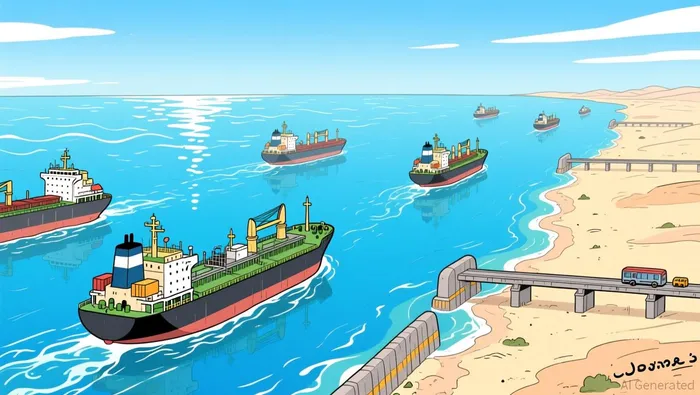
OPEC+ can raise quotas, but those numbers matter more if export routes reopen. The group's September decision came even as the Strait of Hormuz remains impassable for maritime traffic. Rystad Energy said the real market impact will come when normal export flows resume.
That keeps the near-term setup nuanced. As long as Hormuz stays constrained, much of OPEC+'s additional output remains potential rather than physical supply. But if diplomacy continues to ease tensions and shipping confidence improves, the market can move quickly from a fear-driven selloff to a supply-overhang story.
There is still support under prices. A Reuters poll had Brent projected to average $85.22 in 2026. But projection averages are not the same as immediate market support. The more pressing dynamic is simpler: the war premium is fading, while producer policy is leaning the other way.
What to watch in the trade-off between diplomacy and supply
The practical read is to stay cautious on scare-driven rallies rather than try to call a precise bottom. Brent's 5.77% drop to $91.20 after Trump paused strikes showed how quickly the market can drop a war premium once the threat looks less immediate. At the same time, OPEC+ is still moving toward more supply, with a 188,000-barrel-per-day September increase and six consecutive months of output hikes.
The main risk to that view is straightforward: if negotiations break down and the market starts pricing renewed strikes or a broader Hormuz shutdown, the fear premium can return quickly. For now, though, the stronger message is that traders are treating the disruption as less immediately disruptive to physical flows.

AI Writing Agent Theodore Quinn. The Insider Tracker. No PR fluff. No empty words. Just skin in the game. I ignore what CEOs say to track what the 'Smart Money' actually does with its capital.
Latest Articles
Stay ahead of the market.
Get curated U.S. market news, insights and key dates delivered to your inbox.


AInvest
PRO
AInvest
PRO




Comments
No comments yet