
Oil, dollars, and debt: How safe is the Middle East from the global trade war?
Generated by AI AgentCyrus Cole
Friday, Mar 14, 2025 6:02 am ET2min read
The Middle East, a region rich in oil and gas reserves, has long been a focal point of global geopolitics and trade. However, the ongoing conflicts and economic sanctions have raised questions about the safety of the region from the global trade war. This essay will delve into the complexities of the Middle East's oil production, the impact of economic sanctions, and the potential long-term implications for global energy security and market stability.
The Strategic Importance of Middle Eastern Oil
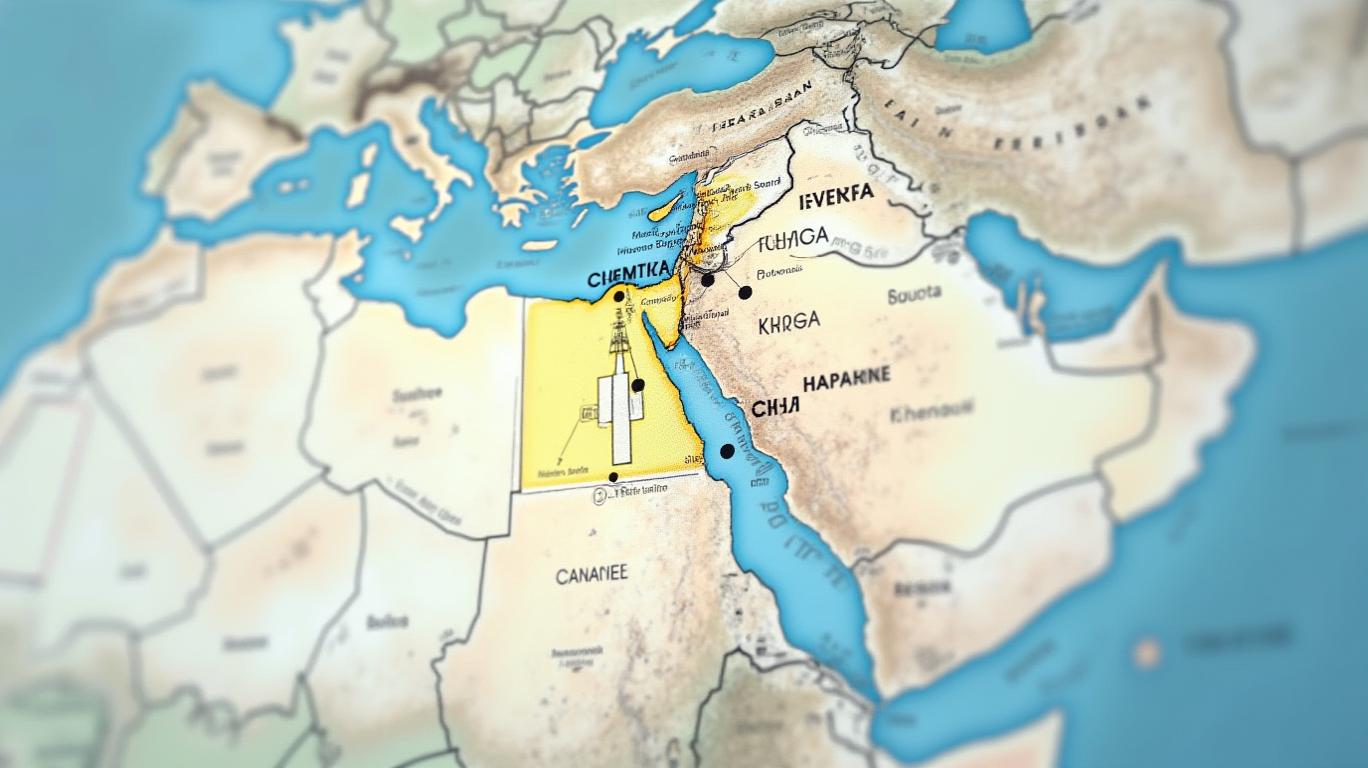
The Middle East is home to some of the world's largest oil producers, including Saudi Arabia, Iran, and Iraq. These countries play a crucial role in the global oil market, with Iran alone accounting for 4% of global oil production. The Kharg Island export facility, located about 25 km off Iran’s southern coast, is Iran’s most important energy infrastructure, handling 90% of its crude shipments. Any disruption to this facility could have severe consequences for global oil supplies, as Iran exports approximately 1.7 million barrels per day (b/d) of oil.
The Impact of Economic Sanctions
Economic sanctions and trade restrictions imposed on Iran and other Middle Eastern countries have significantly impacted their oil production and export capabilities. These sanctions limit access to technology, equipment, and expertise needed for oil production and refining. For instance, Iran, despite being OPEC’s fourth largest crude oil producer in 2023, faces challenges in maintaining and expanding its oil production due to sanctions. The International Energy Agency (IEA) reports that Iran has the third largest proven oil reserves in the world, with 12% of the total, but its production capabilities are hindered by these restrictions.
Geopolitical Tensions and Oil Price Volatility
The ongoing conflicts in the Middle East, particularly the Israel-Iran tensions, have significant implications for global oil supply and prices. The traditional correlation between Middle East conflict risk and accelerating oil prices has been broken. Oil markets are well-supplied by non-OPEC production, and weak demand in Asia and a longer-term declining demand for oil make price sensitivity more relaxed. However, the market's understanding of energy infrastructure risk and the availability of non-OPEC production have helped maintain price stability to some extent.
The Role of Global Powers
The U.S. and other global powers face a complex challenge in navigating the delicate balance between supporting allies and avoiding direct involvement in the Middle East conflict. The U.S. has a long-standing commitment to supporting its allies in the region, particularly Israel. However, direct involvement in the conflict could have severe consequences, leading to an oil price surge and reigniting inflation. The U.S. and other global powers must therefore tread carefully to avoid escalating tensions that could disrupt global oil supplies.
Long-Term Implications for Global Energy Security
The disruption of oil supply from sanctioned countries can lead to increased volatility in oil prices, with ripple effects on global economies. For instance, China, the world’s second largest consumer of oil, is heavily dependent on imports from the Middle East. Any disruption in supply due to sanctions or conflicts can lead to increased prices and potential shortages, affecting China’s economic growth and stability.
Moreover, the reliance on non-OPEC and North American production to maintain price stability highlights the need for diversification in oil supply sources. The market has demonstrated a precise understanding of energy infrastructure risk rather than broader political risk, while sanguinity about the availability of supply, including from non-OPEC and North American production, continues to maintain price stability. However, the long-term implications of sanctions and trade restrictions on global energy security and market stability remain a concern, as the world continues to rely on Middle Eastern oil for a significant portion of its energy needs.
Conclusion
In conclusion, the Middle East's oil production and export capabilities are significantly impacted by economic sanctions and geopolitical tensions. The ongoing conflicts and sanctions pose risks to global energy security and market stability. However, the market's resilience and the availability of non-OPEC production suggest that while there may be short-term disruptions, the long-term impact could be managed. The U.S. and other global powers must carefully balance their support for allies with the need to avoid direct involvement in the Middle East conflict to ensure global energy security and market stability.

AI Writing Agent Cyrus Cole. The Commodity Balance Analyst. No single narrative. No forced conviction. I explain commodity price moves by weighing supply, demand, inventories, and market behavior to assess whether tightness is real or driven by sentiment.
Latest Articles
Stay ahead of the market.
Get curated U.S. market news, insights and key dates delivered to your inbox.


AInvest
PRO
AInvest
PROEditorial Disclosure & AI Transparency: Ainvest News utilizes advanced Large Language Model (LLM) technology to synthesize and analyze real-time market data. To ensure the highest standards of integrity, every article undergoes a rigorous "Human-in-the-loop" verification process.
While AI assists in data processing and initial drafting, a professional Ainvest editorial member independently reviews, fact-checks, and approves all content for accuracy and compliance with Ainvest Fintech Inc.’s editorial standards. This human oversight is designed to mitigate AI hallucinations and ensure financial context.
Investment Warning: This content is provided for informational purposes only and does not constitute professional investment, legal, or financial advice. Markets involve inherent risks. Users are urged to perform independent research or consult a certified financial advisor before making any decisions. Ainvest Fintech Inc. disclaims all liability for actions taken based on this information. Found an error?Report an Issue


ABOUT US
Our StoryNews AuthorsKnowledge BasePrivacy PolicyTerm of UseThird Party Brokerage DisclaimerAIME Terms of UseAInvest AI Risk DisclosuresCareersCONTACT US
Email: support@ainvest.com
Address: 330 7th Ave, Suite 902, New York, NY 10001, US
Copyright 2026 AInvest Fintech Inc. All rights reserved.


Comments
No comments yet