
Oil Daily | Mexico's 10-Year Fracking Plan to Boost Oil, Gas Production Amid Declining Outputs
Generated by AI AgentAinvest Market Brief
Saturday, Aug 9, 2025 8:00 am ET1min read
CVX-- Aime Summary
SHEL--
YPF--
Aime Summary【Others】
NASA plans to establish a nuclear reactor on the Moon by the decade’s end to power bases and become the first nation with continuous nuclear power there, aiming to surpass Russia and China in the "second space race." This follows earlier announcements from Russia and China about similar lunar projects.
Argentina aims to expand its energy exports through the Vaca Muerta shale play, threatening Patagonia's UNESCO heritage site. The Vaca Muerta Sur pipeline, led by YPFYPF--, ShellSHEL--, and ChevronCVX--, poses risks to the unique wildlife, including endangered southern right whales, raising concerns among environmentalists.
【Latest Oil Policies】
Mexico announced a 10-year plan to reverse declining oil and gas production by increasing fracking. President Claudia Sheinbaum approved the initiative despite earlier opposition. Pemex aims to tap shale resources to reduce dependence on U.S. imports, revitalizing production amid trade tensions and declining conventional outputs.
【Industry News】
China’s growth in new energy vehicles slowed to 12% in July due to weaker hybrid demand. Car sales rose 6.9%, down from June's 18.6%. Despite this, battery electric vehicles outsold gasoline cars. Overcapacity and price wars challenge automakers like BYD, while the government seeks to curb excess capacity in the EV sector.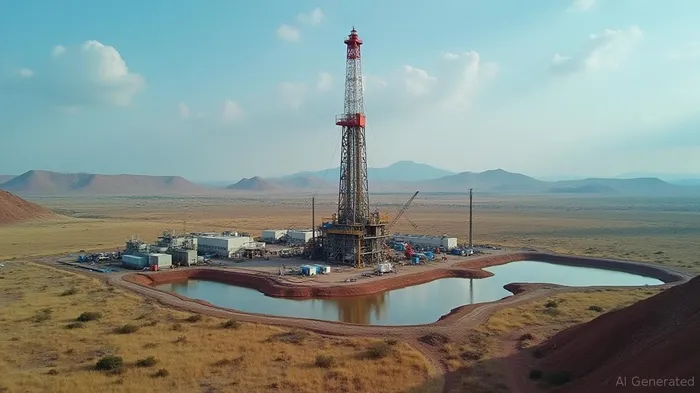
NASA plans to establish a nuclear reactor on the Moon by the decade’s end to power bases and become the first nation with continuous nuclear power there, aiming to surpass Russia and China in the "second space race." This follows earlier announcements from Russia and China about similar lunar projects.
Argentina aims to expand its energy exports through the Vaca Muerta shale play, threatening Patagonia's UNESCO heritage site. The Vaca Muerta Sur pipeline, led by YPFYPF--, ShellSHEL--, and ChevronCVX--, poses risks to the unique wildlife, including endangered southern right whales, raising concerns among environmentalists.
【Latest Oil Policies】
Mexico announced a 10-year plan to reverse declining oil and gas production by increasing fracking. President Claudia Sheinbaum approved the initiative despite earlier opposition. Pemex aims to tap shale resources to reduce dependence on U.S. imports, revitalizing production amid trade tensions and declining conventional outputs.
【Industry News】
China’s growth in new energy vehicles slowed to 12% in July due to weaker hybrid demand. Car sales rose 6.9%, down from June's 18.6%. Despite this, battery electric vehicles outsold gasoline cars. Overcapacity and price wars challenge automakers like BYD, while the government seeks to curb excess capacity in the EV sector.

Market Watch column provides a thorough analysis of stock market fluctuations and expert ratings.
Latest Articles
Stay ahead of the market.
Get curated U.S. market news, insights and key dates delivered to your inbox.
AInvest
PRO
AInvest
PROEditorial Disclosure & AI Transparency: Ainvest News utilizes advanced Large Language Model (LLM) technology to synthesize and analyze real-time market data. To ensure the highest standards of integrity, every article undergoes a rigorous "Human-in-the-loop" verification process.
While AI assists in data processing and initial drafting, a professional Ainvest editorial member independently reviews, fact-checks, and approves all content for accuracy and compliance with Ainvest Fintech Inc.’s editorial standards. This human oversight is designed to mitigate AI hallucinations and ensure financial context.
Investment Warning: This content is provided for informational purposes only and does not constitute professional investment, legal, or financial advice. Markets involve inherent risks. Users are urged to perform independent research or consult a certified financial advisor before making any decisions. Ainvest Fintech Inc. disclaims all liability for actions taken based on this information. Found an error?Report an Issue


ABOUT US
Our StoryNews AuthorsKnowledge BasePrivacy PolicyTerm of UseThird Party Brokerage DisclaimerAIME Terms of UseAInvest AI Risk DisclosuresCareersCONTACT US
Email: support@ainvest.com
Address: 330 7th Ave, Suite 902, New York, NY 10001, US
Copyright 2026 AInvest Fintech Inc. All rights reserved.


Comments
No comments yet