
Oil Daily | ExxonMobil Resumes Mars Crude Purchases After Zinc Contamination Halt
Generated by AI AgentAinvest Market Brief
Thursday, Jul 17, 2025 8:01 am ET2min read
CVX-- Aime Summary
Aime Summary【Company News】
ExxonMobil has resumed purchases of Mars crude after halting due to zinc contamination issues. The zinc contamination was linked to a new offshore well by ChevronCVX--, affecting the supply of Mars crude. The U.S. Department of Energy approved an exchange from the Strategic Petroleum Reserve to address the crude shortage at Exxon’s Baton Rouge refinery. This move aims to support ExxonMobil's operations without impacting the strategic reserve's refill efforts.
Belarus disconnected a unit at its Astravets nuclear power plant due to a cooling system deviation, which is seen as routine. Despite safety assurances, Lithuania remains concerned about the plant's proximity and past issues. Belarus aims to reduce Russian gas dependency, with nuclear energy now a significant part of its supply, despite unresolved safety concerns.
Guyana plans to reduce external borrowing for infrastructure projects, leveraging its increasing oil revenues. The decision aligns with fiscal restraint and rising oil production, expected to reach 600,000 barrels daily. The announcement comes amid political tension as controversial figures enter the presidential race, highlighting institutional trust issues amid the country's oil boom.
A series of drone attacks in Iraqi Kurdistan have disrupted oilfield operations, shutting in significant oil production and escalating tensions between the Kurdistan Regional Government and the Iraqi federal government. These attacks are attributed to Iran-aligned militias and have drawn condemnation from U.S. officials.
India's GAIL is discussing LNG purchases from the Alaska LNG project to mitigate trade surplus with the U.S. The project, backed by U.S. allies, aims for global exports, but costs will determine GAIL's commitment. The Trump Administration supports the project, promoting LNG imports to balance trade deficits, despite potential tariffs on Taiwan.
TotalEnergies expects lower Q2 earnings in its upstream and LNG divisions due to falling oil prices. The company warns that declining prices will impact financial results, echoing concerns shared by other supermajors like BPBP-- and Shell, which anticipate reduced earnings despite increased output and refining margins.
【Latest Oil Policies】
Slovakia proposes to lift its veto on the EU's sanctions against Russia in exchange for an exemption to continue importing Russian pipeline gas until 2034. Slovakia argues that energy security guarantees are vital, as most EU plans aim to end Russian gas imports by 2027. The EU roadmap suggests ceasing Russian gas imports by improving market transparency and ending new contracts by 2025.
【Industry News】
The UK government has reinstated EV grants to boost demand, offering £3,750 for eligible vehicles. Despite this, many EVs remain too expensive to qualify. The initiative aims to support the transition to zero-emission transport but faces criticism for not addressing broader affordability issues. Manufacturers are under pressure to meet emission mandates, with the grant seen as a step towards achieving those goals.
PJM Interconnection has issued alerts for high electricity demand due to expected peak loads. No actions are required from customers, but neighboring systems are notified of potential export curtailments. The U.S. faces grid modernization challenges as rising demand from data centers and a shift to weather-dependent energy sources increase blackout risks.
【Others】
India's import of Russian crude increased slightly in early 2025, yet the discount advantage is shrinking. Factors like reduced availability, refinery maintenance, and fixed-term deals have tightened access. Russian oil remains a significant supplier, but future import dynamics are uncertain amid potential EU sanctions and geopolitical tensions.
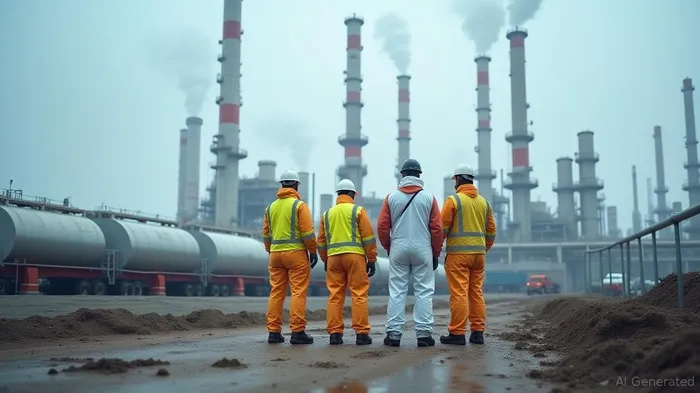
ExxonMobil has resumed purchases of Mars crude after halting due to zinc contamination issues. The zinc contamination was linked to a new offshore well by ChevronCVX--, affecting the supply of Mars crude. The U.S. Department of Energy approved an exchange from the Strategic Petroleum Reserve to address the crude shortage at Exxon’s Baton Rouge refinery. This move aims to support ExxonMobil's operations without impacting the strategic reserve's refill efforts.
Belarus disconnected a unit at its Astravets nuclear power plant due to a cooling system deviation, which is seen as routine. Despite safety assurances, Lithuania remains concerned about the plant's proximity and past issues. Belarus aims to reduce Russian gas dependency, with nuclear energy now a significant part of its supply, despite unresolved safety concerns.
Guyana plans to reduce external borrowing for infrastructure projects, leveraging its increasing oil revenues. The decision aligns with fiscal restraint and rising oil production, expected to reach 600,000 barrels daily. The announcement comes amid political tension as controversial figures enter the presidential race, highlighting institutional trust issues amid the country's oil boom.
A series of drone attacks in Iraqi Kurdistan have disrupted oilfield operations, shutting in significant oil production and escalating tensions between the Kurdistan Regional Government and the Iraqi federal government. These attacks are attributed to Iran-aligned militias and have drawn condemnation from U.S. officials.
India's GAIL is discussing LNG purchases from the Alaska LNG project to mitigate trade surplus with the U.S. The project, backed by U.S. allies, aims for global exports, but costs will determine GAIL's commitment. The Trump Administration supports the project, promoting LNG imports to balance trade deficits, despite potential tariffs on Taiwan.
TotalEnergies expects lower Q2 earnings in its upstream and LNG divisions due to falling oil prices. The company warns that declining prices will impact financial results, echoing concerns shared by other supermajors like BPBP-- and Shell, which anticipate reduced earnings despite increased output and refining margins.
【Latest Oil Policies】
Slovakia proposes to lift its veto on the EU's sanctions against Russia in exchange for an exemption to continue importing Russian pipeline gas until 2034. Slovakia argues that energy security guarantees are vital, as most EU plans aim to end Russian gas imports by 2027. The EU roadmap suggests ceasing Russian gas imports by improving market transparency and ending new contracts by 2025.
【Industry News】
The UK government has reinstated EV grants to boost demand, offering £3,750 for eligible vehicles. Despite this, many EVs remain too expensive to qualify. The initiative aims to support the transition to zero-emission transport but faces criticism for not addressing broader affordability issues. Manufacturers are under pressure to meet emission mandates, with the grant seen as a step towards achieving those goals.
PJM Interconnection has issued alerts for high electricity demand due to expected peak loads. No actions are required from customers, but neighboring systems are notified of potential export curtailments. The U.S. faces grid modernization challenges as rising demand from data centers and a shift to weather-dependent energy sources increase blackout risks.
【Others】
India's import of Russian crude increased slightly in early 2025, yet the discount advantage is shrinking. Factors like reduced availability, refinery maintenance, and fixed-term deals have tightened access. Russian oil remains a significant supplier, but future import dynamics are uncertain amid potential EU sanctions and geopolitical tensions.

Market Watch column provides a thorough analysis of stock market fluctuations and expert ratings.
Latest Articles
Stay ahead of the market.
Get curated U.S. market news, insights and key dates delivered to your inbox.
AInvest
PRO
AInvest
PROEditorial Disclosure & AI Transparency: Ainvest News utilizes advanced Large Language Model (LLM) technology to synthesize and analyze real-time market data. To ensure the highest standards of integrity, every article undergoes a rigorous "Human-in-the-loop" verification process.
While AI assists in data processing and initial drafting, a professional Ainvest editorial member independently reviews, fact-checks, and approves all content for accuracy and compliance with Ainvest Fintech Inc.’s editorial standards. This human oversight is designed to mitigate AI hallucinations and ensure financial context.
Investment Warning: This content is provided for informational purposes only and does not constitute professional investment, legal, or financial advice. Markets involve inherent risks. Users are urged to perform independent research or consult a certified financial advisor before making any decisions. Ainvest Fintech Inc. disclaims all liability for actions taken based on this information. Found an error?Report an Issue


ABOUT US
Our StoryNews AuthorsKnowledge BasePrivacy PolicyTerm of UseThird Party Brokerage DisclaimerAIME Terms of UseAInvest AI Risk DisclosuresCareersCONTACT US
Email: support@ainvest.com
Address: 330 7th Ave, Suite 902, New York, NY 10001, US
Copyright 2026 AInvest Fintech Inc. All rights reserved.


Comments
No comments yet