
Oil Daily | Asian Refiners Cut Run Rates Amid Rising Crude Prices Due to U.S. Sanctions on Russia
Generated by AI AgentAinvest Market Brief
Thursday, Jan 23, 2025 7:01 am ET2min read
C--
HAL--
KMI--
TDTH--
【Latest Oil Policies】
President Donald Trump's executive order to withdraw the U.S. from the Paris Agreement halted the nation's climate commitments under the UNFCCC. However, Bloomberg Philanthropies and other U.S. climate funders pledged to meet these obligations, ensuring the U.S. continues to fulfill its climate commitments despite federal inaction.
British Gas and E.ON have appealed a High Court decision that rejected their judicial review application regarding the UK's sale of Bulb to Octopus Energy. The court initially denied permission due to alleged undue delay, and the appeal is now being heard at the Court of Appeal.
U.S. President Donald Trump has urged the European Union to increase purchases of American oil and gas to avoid tariffs, aiming to ease global natural gas market tightness and reduce consumer costs in Germany.
Germany's reliance on coal-fired power generation could extend into the 2030s due to delays in gas plant construction and shrinking reserve margins following the nuclear plant shutdowns in 2023. This comes as Germany seeks to balance its power system amidst volatile renewable output.
【Industry News】
Kinder Morgan reported increased earnings in Q4 2024 due to higher contributions from its Natural Gas Pipelines and unveiled the Trident Intrastate Pipeline Project. The company is poised to benefit from President Trump's pro-hydrocarbon agenda, particularly in LNG, with expected natural gas business growth.
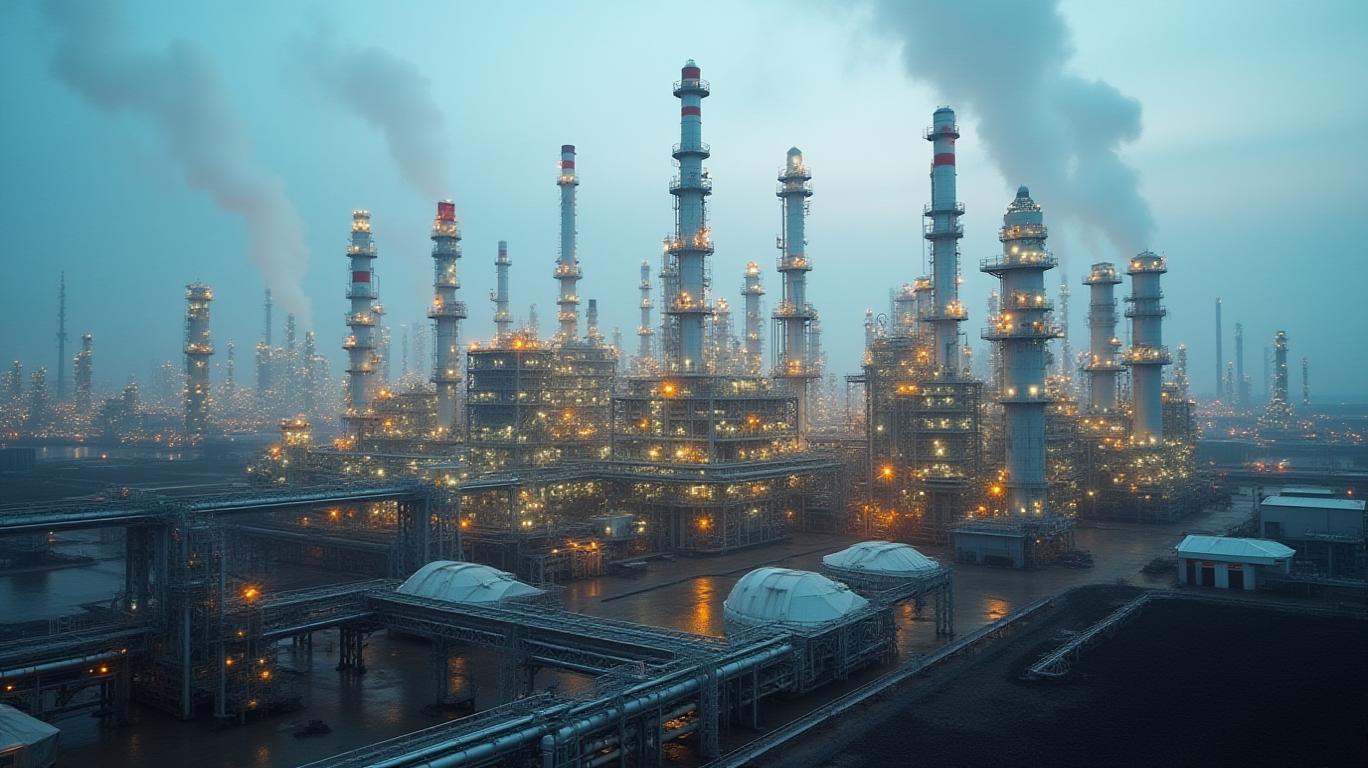
Asian refiners are reducing run rates due to rising crude prices triggered by U.S. sanctions against Russia. The sanctions have significantly affected crude prices and refining margins in Asia, impacting importers in South Korea, Singapore, and Taiwan. Indian refiners are especially affected due to their dependence on Russian crude.
The American Petroleum Institute reported a 1 million barrel increase in U.S. crude oil inventories for the week ending January 17. Gasoline and distillate inventories also rose, while Cushing inventories saw a small increase.
Analysts at Citigroup predict elevated oil prices in 2025 due to U.S. sanctions, logistical challenges, and strategic policy decisions by major producers like OPEC. The sanctions restrict over 180 vessels, impacting Russian crude exports, while OPEC's delayed output increase will keep markets balanced.
Halliburton reported a net income of $615 million for Q4 2024, with international operations offsetting weaker U.S. fracking activities. While North American revenue fell, international revenue rose, driven by activity in the North Sea, West Africa, and the Middle East. Halliburton expects a softer North America market in 2025.
Complicated political and security issues have delayed the restart of TotalEnergies' $20-billion LNG project in Mozambique, initially set for 2021. The project faces ongoing challenges due to Islamist militant attacks, a disputed presidential election, and security concerns in the Cabo Delgado province.
【Company News】
Chinese oil and gas giant CNOOC plans to maintain flat capital expenditure in 2025 but has lowered its production growth target. Despite this, CNOOC expects record annual output in the coming years, continuing to boost domestic oil and gas reserves and supply in line with China's directives.
Aframax tankers, previously servicing Russian western ports, are now redirected to the Russian Far East-China route due to U.S. sanctions. The sanctions have significantly impacted Russian crude exports, leading to logistical challenges and increased freight rates for the ESPO crude route.
President Donald Trump's executive order to withdraw the U.S. from the Paris Agreement halted the nation's climate commitments under the UNFCCC. However, Bloomberg Philanthropies and other U.S. climate funders pledged to meet these obligations, ensuring the U.S. continues to fulfill its climate commitments despite federal inaction.
British Gas and E.ON have appealed a High Court decision that rejected their judicial review application regarding the UK's sale of Bulb to Octopus Energy. The court initially denied permission due to alleged undue delay, and the appeal is now being heard at the Court of Appeal.
U.S. President Donald Trump has urged the European Union to increase purchases of American oil and gas to avoid tariffs, aiming to ease global natural gas market tightness and reduce consumer costs in Germany.
Germany's reliance on coal-fired power generation could extend into the 2030s due to delays in gas plant construction and shrinking reserve margins following the nuclear plant shutdowns in 2023. This comes as Germany seeks to balance its power system amidst volatile renewable output.
【Industry News】
Kinder Morgan reported increased earnings in Q4 2024 due to higher contributions from its Natural Gas Pipelines and unveiled the Trident Intrastate Pipeline Project. The company is poised to benefit from President Trump's pro-hydrocarbon agenda, particularly in LNG, with expected natural gas business growth.
Asian refiners are reducing run rates due to rising crude prices triggered by U.S. sanctions against Russia. The sanctions have significantly affected crude prices and refining margins in Asia, impacting importers in South Korea, Singapore, and Taiwan. Indian refiners are especially affected due to their dependence on Russian crude.
The American Petroleum Institute reported a 1 million barrel increase in U.S. crude oil inventories for the week ending January 17. Gasoline and distillate inventories also rose, while Cushing inventories saw a small increase.
Analysts at Citigroup predict elevated oil prices in 2025 due to U.S. sanctions, logistical challenges, and strategic policy decisions by major producers like OPEC. The sanctions restrict over 180 vessels, impacting Russian crude exports, while OPEC's delayed output increase will keep markets balanced.
Halliburton reported a net income of $615 million for Q4 2024, with international operations offsetting weaker U.S. fracking activities. While North American revenue fell, international revenue rose, driven by activity in the North Sea, West Africa, and the Middle East. Halliburton expects a softer North America market in 2025.
Complicated political and security issues have delayed the restart of TotalEnergies' $20-billion LNG project in Mozambique, initially set for 2021. The project faces ongoing challenges due to Islamist militant attacks, a disputed presidential election, and security concerns in the Cabo Delgado province.
【Company News】
Chinese oil and gas giant CNOOC plans to maintain flat capital expenditure in 2025 but has lowered its production growth target. Despite this, CNOOC expects record annual output in the coming years, continuing to boost domestic oil and gas reserves and supply in line with China's directives.
Aframax tankers, previously servicing Russian western ports, are now redirected to the Russian Far East-China route due to U.S. sanctions. The sanctions have significantly impacted Russian crude exports, leading to logistical challenges and increased freight rates for the ESPO crude route.

Market Watch column provides a thorough analysis of stock market fluctuations and expert ratings.
Latest Articles
Stay ahead of the market.
Get curated U.S. market news, insights and key dates delivered to your inbox.
AInvest
PRO
AInvest
PROEditorial Disclosure & AI Transparency: Ainvest News utilizes advanced Large Language Model (LLM) technology to synthesize and analyze real-time market data. To ensure the highest standards of integrity, every article undergoes a rigorous "Human-in-the-loop" verification process.
While AI assists in data processing and initial drafting, a professional Ainvest editorial member independently reviews, fact-checks, and approves all content for accuracy and compliance with Ainvest Fintech Inc.’s editorial standards. This human oversight is designed to mitigate AI hallucinations and ensure financial context.
Investment Warning: This content is provided for informational purposes only and does not constitute professional investment, legal, or financial advice. Markets involve inherent risks. Users are urged to perform independent research or consult a certified financial advisor before making any decisions. Ainvest Fintech Inc. disclaims all liability for actions taken based on this information. Found an error?Report an Issue


ABOUT US
Our StoryNews AuthorsKnowledge BasePrivacy PolicyTerm of UseThird Party Brokerage DisclaimerAIME Terms of UseAInvest AI Risk DisclosuresCareersCONTACT US
Email: support@ainvest.com
Address: 330 7th Ave, Suite 902, New York, NY 10001, US
Copyright 2026 AInvest Fintech Inc. All rights reserved.


Comments
No comments yet