
Offshore Wind's Regulatory Crossroads: Navigating Risk and Reward in the Clean Energy Transition
The push for offshore wind energy has become a flashpoint in America's clean energy transition, nowhere more so than in Ocean City, Maryland. Here, a project by U.S. Wind—a subsidiary of Italy's Renexia SpA—has sparked fierce legal and political battles, pitting local tourism and fishing interests against state and federal climate goals. These conflicts are far from isolated: they reflect a broader tension between the urgency of decarbonization and the need to address local concerns. For investors, this dynamic creates both risks and opportunities.
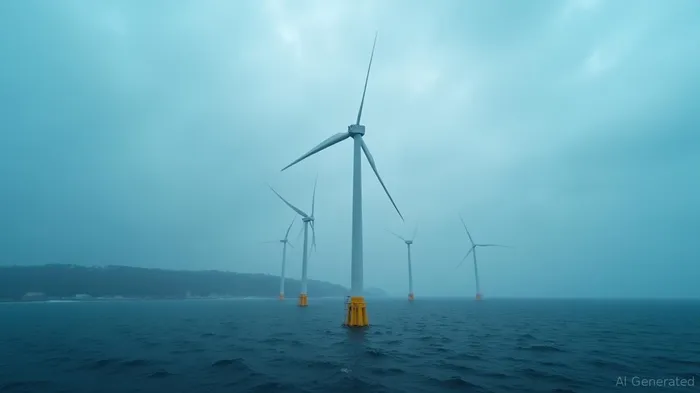
At the heart of Ocean City's dispute is U.S. Wind's plan to install 114 turbines 10 miles offshore, which could supply 1.8 gigawatts of renewable energy—enough to power 600,000 homes. While the project has secured key permits from Maryland and federal authorities, local leaders argue it threatens tourism, marine ecosystems, and fishing livelihoods. A federal lawsuit filed by Ocean City and 34 co-plaintiffs in 2024 has survived motions to dismiss, advancing claims under the Endangered Species Act, National Environmental Policy Act, and other statutes.
The Regulatory Tightrope
The Ocean City case exemplifies the regulatory minefield that offshore wind developers must navigate. On one hand, federal agencies like the Bureau of Ocean Energy Management (BOEM) have approved the project, citing its role in meeting climate targets. In December 2024, BOEM greenlit U.S. Wind's Construction and Operations Plan (COP), a critical milestone. State governments, including Maryland's under Governor Wes Moore, have also provided strong support, viewing offshore wind as essential to achieving 100% clean energy by 2035.
Yet local resistance remains fierce. Ocean City's mayor, Rick Meehan, and commercial fishermen like Sonny Gwin argue the project risks turning their coast into a “wind turbine graveyard.” Their lawsuit claims inadequate environmental reviews and threats to endangered species like the North Atlantic Right Whale. Meanwhile, Delaware's Sussex County has delayed substation permits, though state lawmakers are pushing legislation to override local rejections—a potential breakthrough.
The stakes are high. If U.S. Wind's project proceeds, it could become a template for future offshore wind farms. But failure here could deter investors from similar ventures.
Political Crosscurrents
The project's fate also hinges on federal policy. President Trump's January 2025 executive order to pause offshore wind lease sales and permitting created uncertainty, though it was challenged in court by 17 states, including Maryland. This political seesaw underscores the sector's vulnerability to shifting administrations.
Investors must also watch subsidy timelines. A July 2025 budget bill could revoke federal tax credits for projects not operational by late 2027. This “use it or lose it” rule adds urgency to resolving legal and permitting delays.
Example of a major offshore wind player's resilience amid regulatory headwinds.
Investment Implications: Diversify and Engage
For investors, the lesson is clear: offshore wind's growth is inevitable, but its path will be bumpy. The Ocean City case highlights risks tied to localized opposition and regulatory uncertainty. However, projects with strong federal backing and diversified portfolios are positioned to thrive long-term.
Key Takeaways for Investors:
1. Diversify Geographically: Avoid overexposure to single projects or regions. Companies with multiple permits in states like New York, California, or Texas—where opposition is weaker—face lower political risk.
2. Focus on Regulatory Strength: Prioritize firms with deep expertise in navigating environmental laws and community engagement. Ørsted and NextEra Energy, for instance, have built reputations for proactive compliance.
3. Monitor Subsidy Deadlines: Firms with clear pathways to meet 2027 tax credit deadlines will have a funding edge.
4. Watch Federal Policy: While Trump's pause on leases is under legal challenge, investors should favor companies with bipartisan support or projects already in advanced permitting stages.
The Bottom Line
The Ocean City saga is a microcosm of offshore wind's broader challenges and promise. For now, the project's legal battle remains unresolved, and its timeline faces delays. Yet its survival would signal that the U.S. can balance climate goals with local concerns—a win for investors in the sector.
In the long run, offshore wind's potential is too vast to ignore. With global demand projected to grow 20-fold by 2040, firms that navigate today's regulatory turbulence will dominate tomorrow's energy markets. For investors, patience and strategic diversification are key.
Disclosure: This analysis is for informational purposes only and should not be construed as investment advice.

Delivering real-time insights and analysis on emerging financial trends and market movements.
Latest Articles
Stay ahead of the market.
Get curated U.S. market news, insights and key dates delivered to your inbox.






Comments
No comments yet