
Offshore Wind Industry Shifts to Larger Turbines for Efficiency Gains
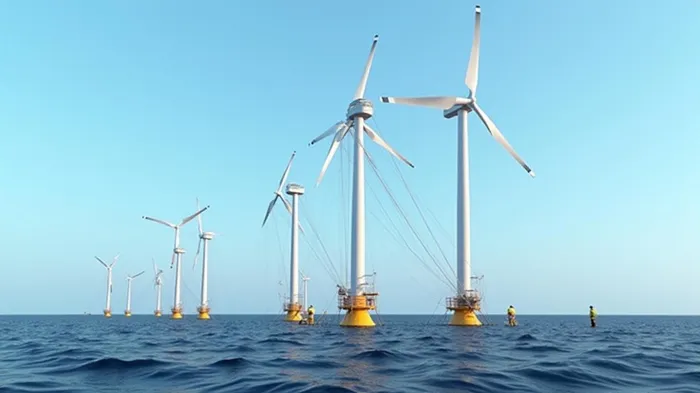
The offshore wind industry is currently experiencing a significant shift towards the development of larger and more powerful turbines. This trend is primarily driven by the need to enhance efficiency and reduce costs, making offshore wind a more competitive source of renewable energy. Engineers at a prominent research facility in the U.K. are leading this transformation, focusing on turbines that are not only larger but also more technologically advanced. The nacelle, which houses the turbine’s drivetrain, is a critical component in this evolution. By increasing the size of the nacelle, engineers can accommodate larger blades and more powerful generators, thereby increasing the overall energy output of the turbine.
The supersizing of offshore wind turbines extends beyond just physical dimensions; it also involves significant advancements in technology. Modern turbines are equipped with sophisticated control systems and sensors that optimize performance and reduce maintenance requirements. These technological improvements are essential for the industry's growth, as they enable turbines to operate more efficiently in harsh offshore conditions. The larger turbines also benefit from economies of scale, reducing the cost per unit of energy produced. This makes offshore wind a more attractive option for investors and energy providers alike.
The trend towards larger turbines is also driven by the need to meet growing energy demands. As the world transitions towards renewable energy sources, the demand for clean and reliable power is increasing. Offshore wind, with its vast potential, is well-positioned to meet this demand. The larger turbines can generate more electricity, making them a key component in the global effort to reduce carbon emissions and combat climate change. The industry's focus on supersizing is a strategic move to ensure that offshore wind remains a viable and competitive energy source in the future.
However, the shift towards larger turbines also presents challenges. The logistics of transporting and installing these massive structures are complex and require specialized equipment and expertise. Additionally, the environmental impact of larger turbines must be carefully managed to ensure that they do not disrupt marine ecosystems. Despite these challenges, the industry is committed to overcoming them, driven by the potential benefits of larger, more efficient turbines. The offshore wind industry's focus on supersizing is a testament to its ambition and innovation, as it continues to push the boundaries of what is possible in renewable energy.

Stay ahead of the market.
Get curated U.S. market news, insights and key dates delivered to your inbox.


AInvest
PRO
AInvest
PRO



Comments
No comments yet