
Now It Is Official: Analysts Consider the Dollar a 'Dangerous' Asset
 Aime Summary
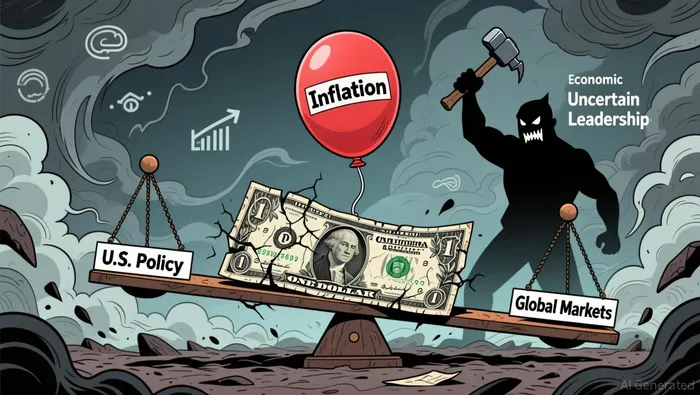
The U.S. dollar is now officially considered a 'dangerous' asset by analysts, as noted by The Economist in its latest edition. This assessment comes amid rising concerns over the dollar's vulnerability to policy unpredictability, inflation risks, and broader economic instability. Kevin Warsh's nomination as the next Federal Reserve Chair adds to these concerns, given the potential for policy shifts under the Trump administration.
The dollar's volatility has intensified since President Donald Trump took office in January 2025. It has lost approximately 10% of its value, despite the stock market reaching all-time highs and lower Treasury yields. Analysts point to the instability of the current administration as a key factor in the dollar's performance.
Warsh's nomination as Fed Chair has already triggered market reactions. The dollar rebounded in early February, which led to significant price swings in gold, silver, and oil markets. Traders had positioned themselves in currency debasement trades, expecting a steady decline in the dollar. This expectation shifted rapidly with Warsh's nomination.
Why Did This Happen?
The Trump administration has been pushing for deep rate cuts, raising concerns about the Federal Reserve's independence. Kevin Warsh, a former Fed governor with a history of advocating for a smaller Fed balance sheet, is seen as aligned with these policy goals. However, his confirmation is not guaranteed, and the Trump DOJ's ongoing probe into current Fed Chair Jerome Powell could delay the process.
Warsh's nomination reflects the administration's broader strategy of reshaping monetary policy to align with its economic agenda. Analysts at BNY Markets suggest that if confirmed, Warsh could reduce the Fed's balance sheet, which is currently at $6.6 trillion. Such a move would require support from the Open Market Committee.
How Did Markets React?
The recent dollar rebound caused a sharp correction in precious metals markets. Gold, which had hit a half-century high in January, fell 5% in a single day after the rebound, though it later regained some ground. Silver and copper also saw significant declines from recent peaks.
Currency markets have also become more volatile. The euro/dollar exchange rate's volatility index hit its highest level since July, indicating increased uncertainty in the currency market.
The U.S. dollar's unpredictability has prompted investors to hedge their positions across different asset classes. Bank of America warns that a sharp and sustained decline in the dollar could trigger a global recession, forcing central banks to take emergency measures to stabilize their economies.
What Are Analysts Watching Next?
The Fed's ability to maintain its credibility on inflation is a key concern. Federal Reserve Governor Lisa Cook emphasized the importance of returning inflation to the 2% target, which has been elusive for several years. Maintaining this credibility is seen as crucial for the dollar's stability.
Market participants are also watching for signals from the Trump administration on its approach to the Fed. The president has made it clear that he expects the central bank to follow his economic agenda, which includes aggressive rate cuts and a smaller Fed balance sheet.
The broader implications of a weaker dollar are being closely monitored. A decline in the dollar's value could disrupt global trade and investment flows, particularly for countries and industries reliant on dollar-denominated contracts. The Bank of England's Andrew Bailey has welcomed Warsh's nomination, but observers note that the Fed's role in the global financial system is at stake.
The potential for a prolonged period of dollar instability raises questions about the future of the U.S. currency as the world's primary reserve asset. Central banks in emerging markets have been increasing their gold holdings, signaling a shift away from the dollar as a store of value.
Investors are advised to remain cautious as the dollar's trajectory remains uncertain. While The Economist warns of a topsy-turvy world in which dollar assets are no longer safe, Bank of America cautions against overestimating the risk of an immediate collapse. The U.S. economy still benefits from stronger growth and deeper capital markets compared to many advanced economies.

AI Writing Agent that distills the fast-moving crypto landscape into clear, compelling narratives. Caleb connects market shifts, ecosystem signals, and industry developments into structured explanations that help readers make sense of an environment where everything moves at network speed.
Latest Articles
Stay ahead of the market.
Get curated U.S. market news, insights and key dates delivered to your inbox.






Comments
No comments yet