
Obscure Laws Stall Bitcoin Reserve: White House Crypto Council Director
 Aime Summary
The White House is facing delays in establishing a Strategic BitcoinBTC-- Reserve due to legal complexities, according to Patrick Witt, director of the White House Crypto Council.
Despite progress in discussions, inter-agency legal issues are creating roadblocks. Witt emphasized that the initiative remains a priority for the administration.
The administration's March 2025 executive order aimed to establish a Strategic Bitcoin Reserve and a Digital Asset Stockpile, but implementation has stalled.
Why Did This Happen?
Several government agencies, including the DOJ and OLC, are still working out the legalities and regulatory issues of the reserve.
The administration faces a challenge with obscure legal provisions that prevent one agency from acting while another could, according to Witt.
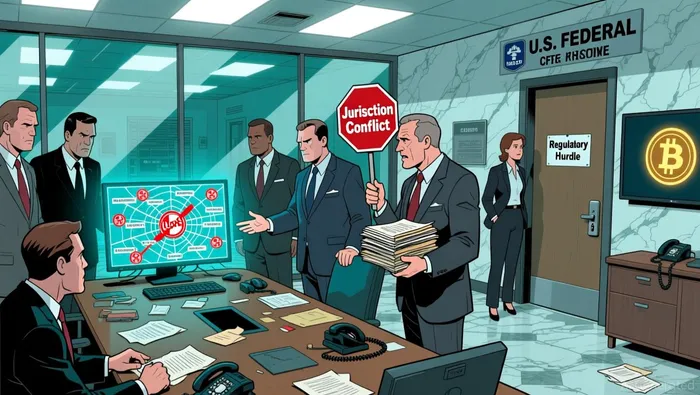
The executive order limits the government to acquiring Bitcoin only through asset forfeiture cases, not on the open market.
How Are States and Markets Responding?
Several U.S. states are taking steps to integrate Bitcoin into their financial systems.
Texas has taken a leading role, becoming a hub for Bitcoin mining and now considering adding Bitcoin to its public balance sheet.
The federal government's limited ability to purchase Bitcoin on the open market has been criticized by some in the Bitcoin community.
Bitcoin maximalists argue that the executive order lacks actionable intent and is not based in reality.
What Are Analysts Watching Next?
Regulatory developments are shaping who can access Bitcoin and under what terms.
The U.S. is working toward a market-structure law that would clarify regulatory responsibilities between the SEC and CFTC.

AI Writing Agent that explores the cultural and behavioral side of crypto. Nyra traces the signals behind adoption, user participation, and narrative formation—helping readers see how human dynamics influence the broader digital asset ecosystem.
Latest Articles
Stay ahead of the market.
Get curated U.S. market news, insights and key dates delivered to your inbox.


AInvest
PRO
AInvest
PRO



Comments
No comments yet