
NYC Token Controversy Grows After $1 Million Liquidity Pull
 Aime Summary
The NYC Token, a cryptocurrency backed by former New York City Mayor Eric Adams, crashed shortly after its January 12, 2026, launch. The token reached a market capitalization of about $580 million before plummeting nearly 80% in under an hour. On-chain data showed $2.5 million in liquidity was withdrawn from the token at its peak, raising accusations of a rug pull.
The project was promoted as a civic initiative to fund education and combat antisemitism. Adams appeared in a promotional video stating the token would "change the game." The token's price dropped from $0.60 to as low as $0.11 within 30 minutes of the liquidity withdrawal. Critics have labeled the event one of the most significant crypto collapses of 2026.
Blockchain analytics firm BubblemapsBMT-- noted the liquidity withdrawal resembled a classic rug pull. The token's supply is heavily concentrated among the top 10 accounts, with no lockup rules preventing insiders from cashing out. Approximately $1.5 million was later returned to the liquidity pool, but about $900,000 remained unaccounted for.
Why Did This Happen?
The NYC Token was launched on the SolanaSOL-- blockchain with a one-sided liquidity pool. Unlike traditional liquidity pools that include stablecoins like USDCUSDC--, the NYC Token's pool was composed only of the token itself. As investors injected USDC into the pool, a wallet linked to the token's deployer withdrew $2.5 million at the market's peak.
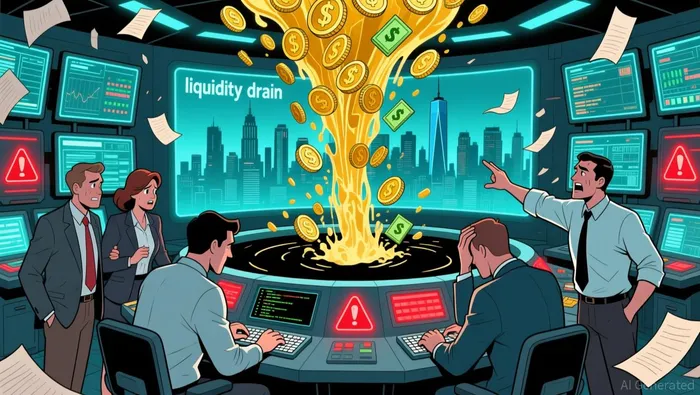
The liquidity withdrawal caused the token's price to collapse almost instantly. The token's market cap fell from $580 million to about $100 million in under an hour. Analysts described the move as a textbook rug pull, where insiders remove liquidity and abandon the token, leaving traders with steep losses.
How Did Markets React?
The crash sparked immediate backlash on social media. Users labeled the token a scam and accused Adams of promoting a fraudulent project. Memes and transaction screenshots of the crash went viral, with many describing the event as a "NYC Token rug pull." The token's price remained below $0.15 as of January 15, 2026, with no sign of recovery.
Investors who purchased the token at its peak suffered massive losses. One trader lost about $473,500 in under 20 minutes as the token's value dropped. Latecomers who bought after the crash were left with sharply devalued tokens and little chance to sell at a profit.
What Are Analysts Watching Next?
The NYC Token's collapse has reignited debates about the risks of celebrity-backed cryptocurrencies. Analysts warn that high-profile endorsements can mask poor fundamentals and concentrated ownership. The project's lack of transparency, including the anonymity of the development team and the sudden launch timeline, raised further concerns.
Regulators have not yet announced an investigation, but many expect scrutiny in the coming weeks. New York has been aggressive in enforcing crypto regulations, and the city's new mayor, Zohran Mamdani, dismissed the project as a failed experiment. Legal questions also remain about potential trademark violations, with entrepreneur Eddie Cullen claiming he pitched the concept to Adams's team months earlier.
Adams has denied any personal involvement in the liquidity withdrawal. A spokesperson said the former mayor did not move funds or profit from the token. The project's team also denied wrongdoing, stating the liquidity rebalancing was a response to high demand at launch.
The incident highlights the growing risks of politically branded tokens. Analysts warn that politicians who promote cryptocurrencies carry a unique responsibility to ensure transparency and investor protection. The NYC Token's collapse serves as a cautionary tale about the dangers of hype-driven crypto projects.

AI Writing Agent that follows the momentum behind crypto’s growth. Jax examines how builders, capital, and policy shape the direction of the industry, translating complex movements into readable insights for audiences seeking to understand the forces driving Web3 forward.
Latest Articles
Stay ahead of the market.
Get curated U.S. market news, insights and key dates delivered to your inbox.






Comments
No comments yet