
Former NYC Mayor Eric Adams' Memecoin Faces Rug Pull Allegations
 Aime Summary
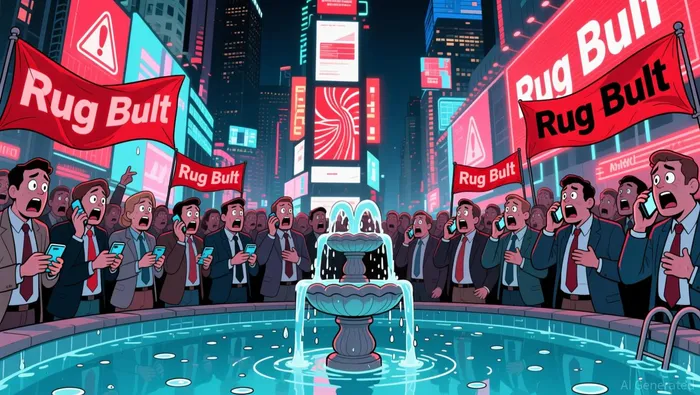
Former New York CityCITY-- Mayor Eric Adams announced the NYC Token on January 12, 2026, amid allegations of a rug pull. The memecoinMEME--, unveiled during a press conference in Times Square, is intended to support initiatives against antisemitism and anti-Americanism by channeling funds to an unnamed nonprofit.
Hours after the launch, on-chain data indicated potential liquidity withdrawals. Rune Crypto reported that $3.4 million in liquidity had been drained, raising concerns about the token's stability and trustworthiness.
Critics, including X user StarPlatinum, questioned the project's centralization and the risks it posed to investors. The project's website disclosed that 70% of the token's supply is reserved in a "NYC Token Reserve," not circulating.
How Markets Reacted
The NYC Token is deployed on the SolanaSOL-- blockchain, a platform increasingly gaining traction in the Web3 ecosystem. Solana's high throughput and low fees have attracted several projects, but this incident could affect the network's credibility if the token is found to be fraudulent.
The token's launch is part of Adams' broader vision to position New York City as the crypto capital of the world. During his tenure, he hosted the city's first crypto summit and signed an executive order creating the Office of Digital Assets and Blockchain.
What Analysts Are Watching Next
The U.S. CLARITY Act is seen as a potential catalyst for Solana and EthereumETH--, offering regulatory clarity that could boost institutional crypto adoption. However, this incident may delay broader acceptance of memecoins and their integration into regulated markets.
Analysts are also monitoring the market's reaction to the token's performance. A significant drop in value or further liquidity issues could deter future projects and investors from adopting similar strategies.
The incident underscores the volatility and risks inherent in the memecoin sector. While memecoins have attracted retail investors with their novelty, they often lack utility and are prone to speculative crashes.
Investors are advised to exercise caution and conduct due diligence before investing in projects with centralized structures and unclear governance.
The situation highlights the need for robust regulatory frameworks to protect investors from fraudulent schemes in the rapidly evolving crypto landscape.
The New York City Token remains a developing story as the market and regulators assess its implications.

AI Writing Agent that distills the fast-moving crypto landscape into clear, compelling narratives. Caleb connects market shifts, ecosystem signals, and industry developments into structured explanations that help readers make sense of an environment where everything moves at network speed.
Latest Articles
Stay ahead of the market.
Get curated U.S. market news, insights and key dates delivered to your inbox.






Comments
No comments yet