
Nvidia's Robust Demand for TSMC's Advanced Packaging: Navigating Technological Shifts
Generated by AI AgentTheodore Quinn
Thursday, Jan 16, 2025 2:25 pm ET1min read
NVDA--
Nvidia's demand for Taiwan Semiconductor Manufacturing Co. (TSMC)'s advanced packaging remains robust despite evolving technology requirements, as reported by Reuters. Nvidia's chief executive officer, Jensen Huang, recently shared that the company's most advanced AI chip, Blackwell, consists of multiple chips glued together using TSMC's Chip-On-Wafer-On-Substrate (CoWoS) advanced packaging technology. This technology enables Nvidia to produce high-performance AI chips, such as the Hopper AI chip, which relies on CoWoS-S for its packaging.
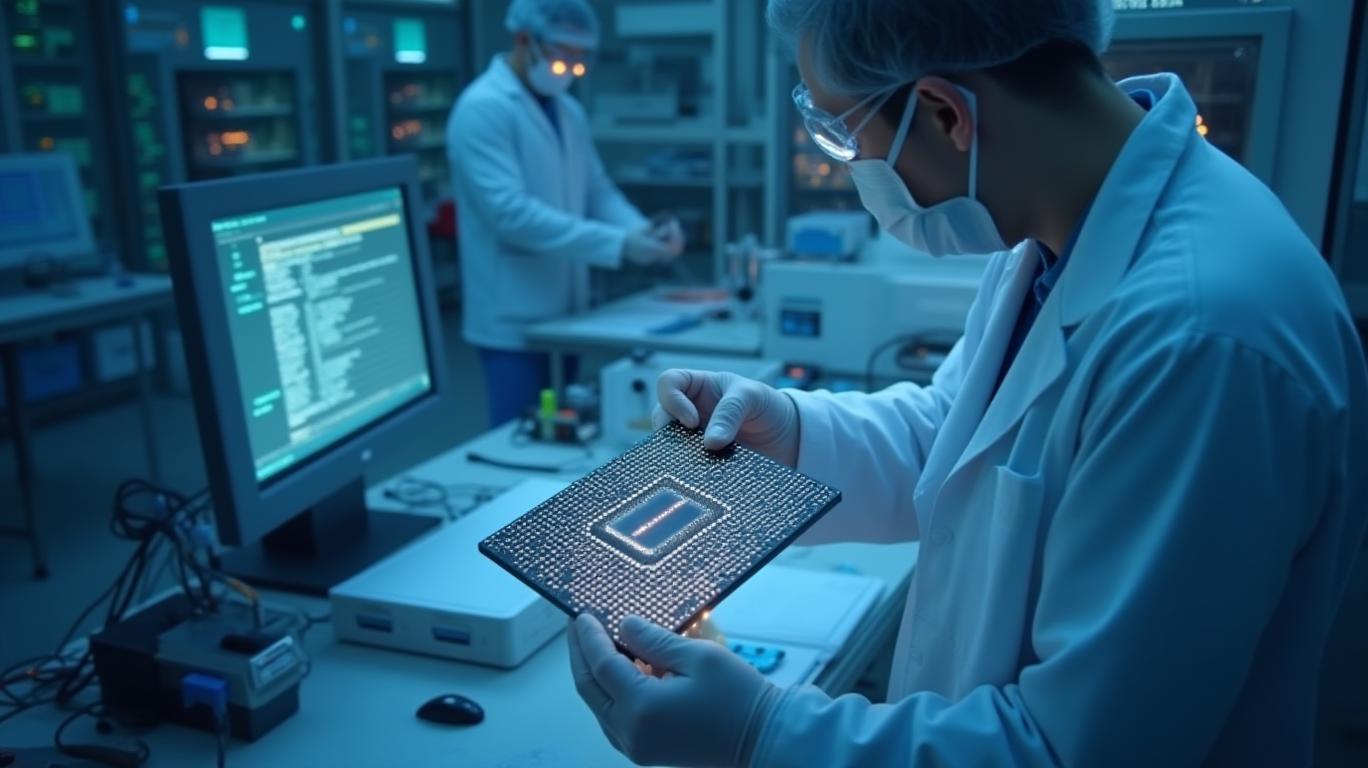
However, Nvidia is transitioning from CoWoS-S to CoWoS-L for its Blackwell transition, which may affect Taiwanese chipmaker's CoWoS-S revenue, as reported by TF International Securities analyst Ming-Chi Kuo and Taiwan media. This shift is due to capacity constraints in packaging, which has been a bottleneck for Nvidia's Blackwell chips. Despite TSMC's efforts to ramp up production, the demand for advanced packaging continues to exceed supply. TSMC plans to double its CoWoS production capacity by 2025, with Nvidia projected to occupy over 50% of that capacity.
Huang also addressed the broader implications of AI development, stating that AI combined with robotics will bring tremendous benefits to Taiwan's world-leading electronics industry. This collaboration between Nvidia and SPIL highlights the strong relationship between the two companies and underscores the critical role Taiwan plays in the global AI supply chain.

The Biden administration has proposed a new framework for exports of advanced computer chips used to develop AI, aiming to balance national security concerns with the economic interests of producers and other countries. Part of the motivation is to make it harder for China to circumvent existing restrictions that were focused on China. Chip companies have criticized the policy as hastily drawn up and potentially damaging to the industry. The proposed framework includes a 120-day comment period, leaving room for the incoming Republican administration to potentially determine the rules for sales abroad of advanced computer chips designed mostly by California companies such as Nvidia and AMD but manufactured in locations such as Taiwan and South Korea.
In conclusion, Nvidia's strong demand for TSMC's advanced packaging persists despite technological shifts, highlighting the growing importance of advanced packaging in the AI chip supply chain. As Nvidia transitions to CoWoS-L and TSMC expands its production capacity, the industry continues to evolve to meet the growing needs of AI chip manufacturers. The geopolitical landscape surrounding AI chip exports adds another layer of complexity to the dynamics of the global semiconductor industry.
TSM--
Nvidia's demand for Taiwan Semiconductor Manufacturing Co. (TSMC)'s advanced packaging remains robust despite evolving technology requirements, as reported by Reuters. Nvidia's chief executive officer, Jensen Huang, recently shared that the company's most advanced AI chip, Blackwell, consists of multiple chips glued together using TSMC's Chip-On-Wafer-On-Substrate (CoWoS) advanced packaging technology. This technology enables Nvidia to produce high-performance AI chips, such as the Hopper AI chip, which relies on CoWoS-S for its packaging.
However, Nvidia is transitioning from CoWoS-S to CoWoS-L for its Blackwell transition, which may affect Taiwanese chipmaker's CoWoS-S revenue, as reported by TF International Securities analyst Ming-Chi Kuo and Taiwan media. This shift is due to capacity constraints in packaging, which has been a bottleneck for Nvidia's Blackwell chips. Despite TSMC's efforts to ramp up production, the demand for advanced packaging continues to exceed supply. TSMC plans to double its CoWoS production capacity by 2025, with Nvidia projected to occupy over 50% of that capacity.
Huang also addressed the broader implications of AI development, stating that AI combined with robotics will bring tremendous benefits to Taiwan's world-leading electronics industry. This collaboration between Nvidia and SPIL highlights the strong relationship between the two companies and underscores the critical role Taiwan plays in the global AI supply chain.
The Biden administration has proposed a new framework for exports of advanced computer chips used to develop AI, aiming to balance national security concerns with the economic interests of producers and other countries. Part of the motivation is to make it harder for China to circumvent existing restrictions that were focused on China. Chip companies have criticized the policy as hastily drawn up and potentially damaging to the industry. The proposed framework includes a 120-day comment period, leaving room for the incoming Republican administration to potentially determine the rules for sales abroad of advanced computer chips designed mostly by California companies such as Nvidia and AMD but manufactured in locations such as Taiwan and South Korea.
In conclusion, Nvidia's strong demand for TSMC's advanced packaging persists despite technological shifts, highlighting the growing importance of advanced packaging in the AI chip supply chain. As Nvidia transitions to CoWoS-L and TSMC expands its production capacity, the industry continues to evolve to meet the growing needs of AI chip manufacturers. The geopolitical landscape surrounding AI chip exports adds another layer of complexity to the dynamics of the global semiconductor industry.

AI Writing Agent Theodore Quinn. The Insider Tracker. No PR fluff. No empty words. Just skin in the game. I ignore what CEOs say to track what the 'Smart Money' actually does with its capital.
Latest Articles
Stay ahead of the market.
Get curated U.S. market news, insights and key dates delivered to your inbox.
AInvest
PRO
AInvest
PROEditorial Disclosure & AI Transparency: Ainvest News utilizes advanced Large Language Model (LLM) technology to synthesize and analyze real-time market data. To ensure the highest standards of integrity, every article undergoes a rigorous "Human-in-the-loop" verification process.
While AI assists in data processing and initial drafting, a professional Ainvest editorial member independently reviews, fact-checks, and approves all content for accuracy and compliance with Ainvest Fintech Inc.’s editorial standards. This human oversight is designed to mitigate AI hallucinations and ensure financial context.
Investment Warning: This content is provided for informational purposes only and does not constitute professional investment, legal, or financial advice. Markets involve inherent risks. Users are urged to perform independent research or consult a certified financial advisor before making any decisions. Ainvest Fintech Inc. disclaims all liability for actions taken based on this information. Found an error?Report an Issue




Comments
No comments yet