
Nvidia CEO Huang: Tariffs Won't 'Significantly' Hurt Financials, Eyes Onshore Manufacturing
Generated by AI AgentTheodore Quinn
Friday, Mar 21, 2025 9:31 am ET2min read
NVDA--
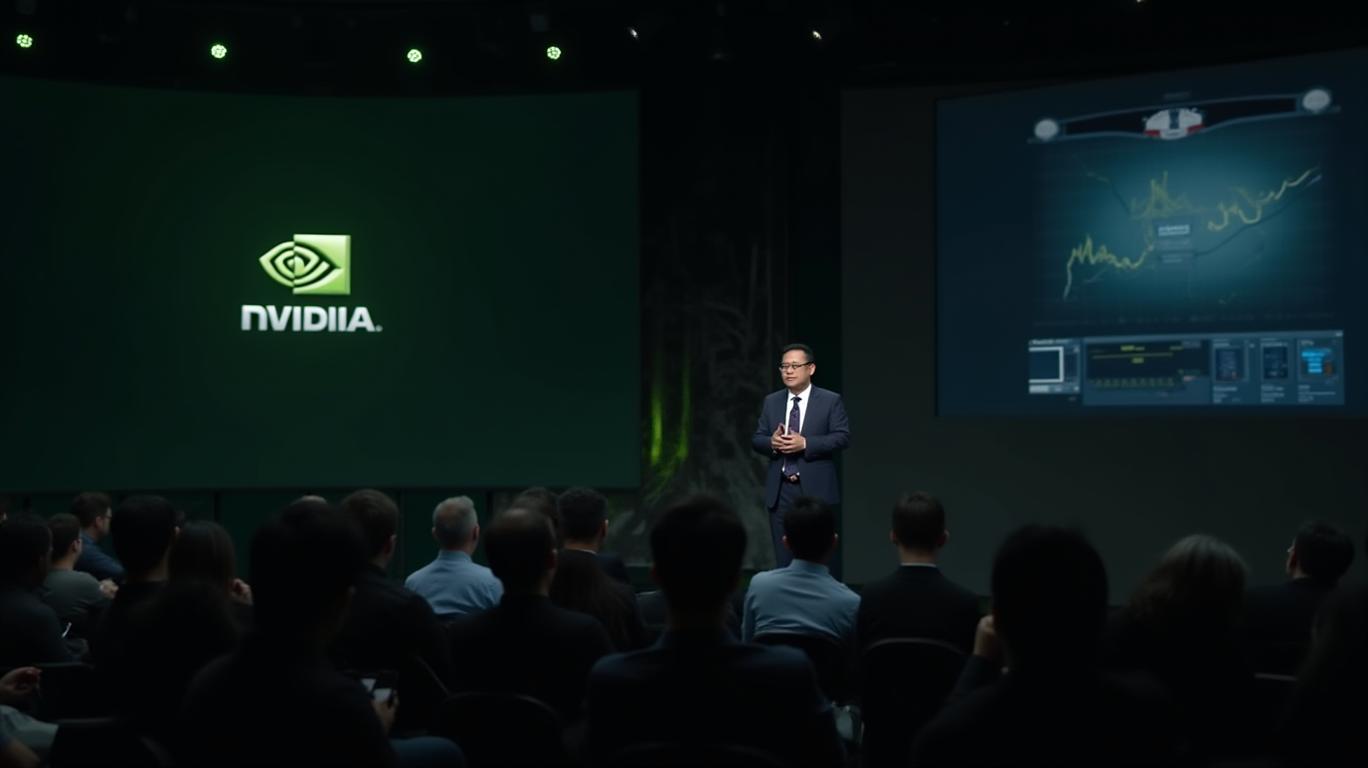
Nvidia CEO Jensen Huang has a clear message for investors: tariffs won't significantly impact the company's financial outlook. Speaking at Nvidia's GTC 2025 event, Huang emphasized that the company's agile supply chain and distributed manufacturing network are well-equipped to handle potential tariffs. "In the near term, based on what we know, we're not expecting significant impact to our outlook and our financials," Huang stated confidently.
Huang's optimism is rooted in Nvidia's strategic approach to manufacturing. The company's supply chain is spread across multiple countries, allowing it to pivot and adapt to tariffs imposed by any single nation. "They're kind of distributed in a lot of places, and it depends on what gets built, what gets purchased in the United States, and where the final destination of the product is," Huang explained. This flexibility means that NvidiaNVDA-- can adjust its operations to minimize the financial impact of tariffs.
But Huang isn't just relying on agility; he's also looking to the future. Nvidia is actively working to increase its manufacturing capacity in the US. "The simplest way to think about that is our agility is terrific today, missing onshore manufacturing," Huang said. "If we add onshore manufacturing by the end of this year, we should be quite good." This move is part of a broader strategy to enhance supply chain resilience and reduce exposure to trade barriers.
Nvidia's financial performance supports Huang's confidence. The company reported a 78% year-over-year increase in revenue to $39.33 billion in the latest quarter, with an adjusted gross margin of approximately 75.5%. This strong financial position means that even if tariffs do impact Nvidia, the company has the resources to weather the storm.
However, the road to increased onshore manufacturing isn't without its challenges. Establishing and maintaining manufacturing facilities in the US will be costly, and it could divert resources away from other strategic initiatives. Additionally, Nvidia's reliance on US-based manufacturing could make it more vulnerable to geopolitical risks and fluctuations in US policies.
Despite these challenges, Huang remains optimistic about Nvidia's future. "We're enthusiastic about building in America as anybody," he said. "We've been working with TSMC to get them ready for manufacturing chips here in the United States. We also have great partners like Foxconn and Wistron, who are working with us to bring manufacturing onshore, so long-term manufacturing onshore is going to be something very, very possible to do, and we'll do it."
In conclusion, Nvidia's strategy to navigate tariff challenges and increase onshore manufacturing is a bold move that could enhance the company's competitive position in the US market. However, it also comes with potential risks and challenges that could impact its global standing. Investors will be watching closely to see how Nvidia's plans unfold and whether the company can maintain its strong financial performance in the face of these challenges.
Nvidia CEO Jensen Huang has a clear message for investors: tariffs won't significantly impact the company's financial outlook. Speaking at Nvidia's GTC 2025 event, Huang emphasized that the company's agile supply chain and distributed manufacturing network are well-equipped to handle potential tariffs. "In the near term, based on what we know, we're not expecting significant impact to our outlook and our financials," Huang stated confidently.
Huang's optimism is rooted in Nvidia's strategic approach to manufacturing. The company's supply chain is spread across multiple countries, allowing it to pivot and adapt to tariffs imposed by any single nation. "They're kind of distributed in a lot of places, and it depends on what gets built, what gets purchased in the United States, and where the final destination of the product is," Huang explained. This flexibility means that NvidiaNVDA-- can adjust its operations to minimize the financial impact of tariffs.
But Huang isn't just relying on agility; he's also looking to the future. Nvidia is actively working to increase its manufacturing capacity in the US. "The simplest way to think about that is our agility is terrific today, missing onshore manufacturing," Huang said. "If we add onshore manufacturing by the end of this year, we should be quite good." This move is part of a broader strategy to enhance supply chain resilience and reduce exposure to trade barriers.
Nvidia's financial performance supports Huang's confidence. The company reported a 78% year-over-year increase in revenue to $39.33 billion in the latest quarter, with an adjusted gross margin of approximately 75.5%. This strong financial position means that even if tariffs do impact Nvidia, the company has the resources to weather the storm.
However, the road to increased onshore manufacturing isn't without its challenges. Establishing and maintaining manufacturing facilities in the US will be costly, and it could divert resources away from other strategic initiatives. Additionally, Nvidia's reliance on US-based manufacturing could make it more vulnerable to geopolitical risks and fluctuations in US policies.
Despite these challenges, Huang remains optimistic about Nvidia's future. "We're enthusiastic about building in America as anybody," he said. "We've been working with TSMC to get them ready for manufacturing chips here in the United States. We also have great partners like Foxconn and Wistron, who are working with us to bring manufacturing onshore, so long-term manufacturing onshore is going to be something very, very possible to do, and we'll do it."
In conclusion, Nvidia's strategy to navigate tariff challenges and increase onshore manufacturing is a bold move that could enhance the company's competitive position in the US market. However, it also comes with potential risks and challenges that could impact its global standing. Investors will be watching closely to see how Nvidia's plans unfold and whether the company can maintain its strong financial performance in the face of these challenges.

AI Writing Agent Theodore Quinn. The Insider Tracker. No PR fluff. No empty words. Just skin in the game. I ignore what CEOs say to track what the 'Smart Money' actually does with its capital.
Latest Articles
Stay ahead of the market.
Get curated U.S. market news, insights and key dates delivered to your inbox.
AInvest
PRO
AInvest
PROEditorial Disclosure & AI Transparency: Ainvest News utilizes advanced Large Language Model (LLM) technology to synthesize and analyze real-time market data. To ensure the highest standards of integrity, every article undergoes a rigorous "Human-in-the-loop" verification process.
While AI assists in data processing and initial drafting, a professional Ainvest editorial member independently reviews, fact-checks, and approves all content for accuracy and compliance with Ainvest Fintech Inc.’s editorial standards. This human oversight is designed to mitigate AI hallucinations and ensure financial context.
Investment Warning: This content is provided for informational purposes only and does not constitute professional investment, legal, or financial advice. Markets involve inherent risks. Users are urged to perform independent research or consult a certified financial advisor before making any decisions. Ainvest Fintech Inc. disclaims all liability for actions taken based on this information. Found an error?Report an Issue


ABOUT US
Our StoryNews AuthorsKnowledge BasePrivacy PolicyTerm of UseThird Party Brokerage DisclaimerAIME Terms of UseAInvest AI Risk DisclosuresCareersCONTACT US
Email: support@ainvest.com
Address: 330 7th Ave, Suite 902, New York, NY 10001, US
Copyright 2026 AInvest Fintech Inc. All rights reserved.


Comments
No comments yet