
Nvidia Acquires Groq AI Tech for $20B: What Retail Investors Need to Know
 Aime Summary
- Nvidia has agreed to acquire Groq's AI inference assets in a .
- Groq's , designed for real-time AI processing, is expected to integrate into Nvidia's AI factory architecture.
- The acquisition excludes Groq's cloud business, allowing it to operate independently, and avoids triggering regulatory review.
- Groq's leadership, including CEO Jonathan Ross, is joining NvidiaNVDA-- to help scale and integrate the technology.
- The deal marks Nvidia's largest acquisition to date, signaling a strategic push to dominate both AI training and inference.
The holiday shopping rush has come and gone, but for Nvidia and its investors, the most valuable present this year came on Christmas Eve. In a move that stunned the AI and chip industry, . This is not just a big acquisition—it's a bold, strategic move with major implications for the AI landscape and the broader tech sector.
What Is the Nvidia Groq Deal and Why Does It Matter for Investors?
Nvidia's $20 billion deal with Groq is more than just a licensing agreement—it's a strategic play to solidify the company's leadership in the AI inference market. Groq is a high-performance AI chip startup known for its unique architecture, which is specifically designed for ultra-fast and deterministic inference workloads. By acquiring Groq's IP and key personnel, including its founder and CEO, Nvidia is bringing one of the few viable alternatives to its own GPU-based AI inference architecture into its fold.
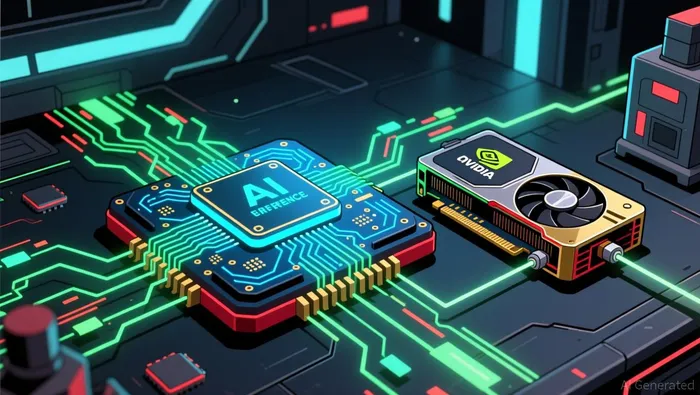
The deal is structured as a non-exclusive licensing agreement, which allows Groq to continue operating independently while its key executives join Nvidia to help scale the technology. This structure also avoids triggering regulatory scrutiny that would come with a full acquisition. For Nvidia, the move is about expanding its AI ecosystem and reducing competition at a critical point in the AI lifecycle—real-time inference.
Why Is the Groq Stock News Important for Retail Investors?
, . For investors in Groq or companies competing in the AI inference space, this deal raises questions about market dynamics and long-term value creation.
From an investor perspective, the deal highlights the growing importance of inference processing in AI deployment. While training models gets a lot of attention, inference is where real-world value is realized—whether in chatbots, recommendation engines, or autonomous systems. Nvidia's ability to control both ends of the AI lifecycle (training and inference) now puts it in a stronger position to dictate the direction of AI development and deployment.
What to Watch in the Coming Weeks and Months
While the deal is expected to close relatively quickly, investors should watch for a few key developments:
- Integration progress: How well does Groq's technology integrate with Nvidia's AI factory architecture? Early signs suggest that the LPU could complement Nvidia's Blackwell and future Rubin architectures by addressing latency issues in inference.
- Regulatory response: Although the deal is structured to avoid regulatory review, there could still be scrutiny in key markets like Europe and China.
- Groq's independence: Even as Groq's key executives move to Nvidia, the company will continue operating as an independent entity. How will this affect its long-term growth and product development?
- Market reaction to competition: Will this acquisition reduce innovation in the AI inference space, or will it spur others to develop alternative solutions? Some industry voices have already raised concerns about .
For now, the deal underscores the aggressive competition in the AI chip space—and the lengths to which leading players are willing to go to secure a dominant position. For retail investors, this is a reminder that the AI arms race is far from over, and those with the resources and vision to shape the future are already making their moves.

Stay ahead of the market.
Get curated U.S. market news, insights and key dates delivered to your inbox.
AInvest
PRO
AInvest
PRO



Comments
No comments yet