
Nvidia's $5 Trillion Valuation, Surpassing Most Countries' Nominal GDP: Jensen Huang Leads AI Revolution


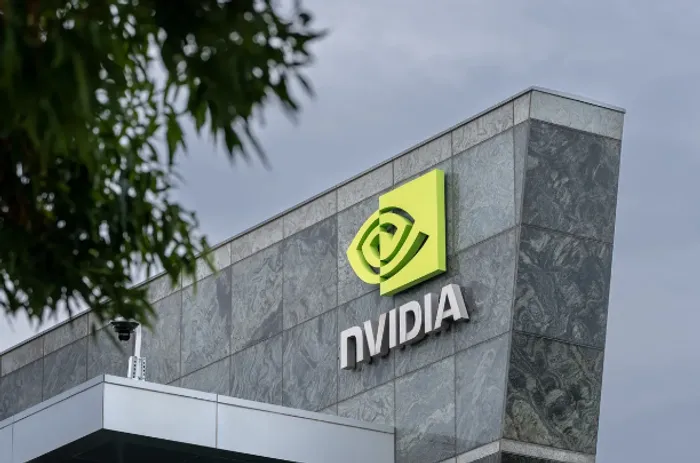
Nvidia has etched its name into financial history, becoming the first company to surpass a $5 trillion market capitalization.
This watershed moment, achieved on Wednesday with shares closing up 3% at $207.04, underscores the chipmaker's meteoric rise as the undisputed engine of the artificial intelligence era. From its roots as a graphics processor specialist, NvidiaNVDA-- now commands a valuation exceeding the entire cryptocurrency market, propelled by insatiable demand for its AI accelerators. At the helm stands CEO Jensen Huang, whose bold announcements and strategic maneuvering have not only fueled investor euphoria but also positioned the company at the heart of U.S.-China tech rivalries.
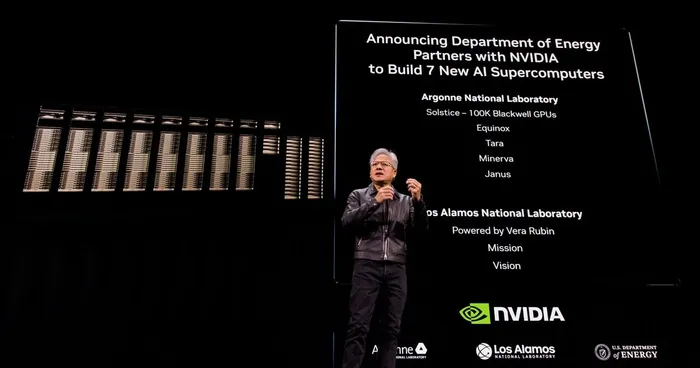
The Santa Clara-based firm's ascent reflects a broader market infatuation with AI's transformative potential. Since ChatGPT's debut in 2022, Nvidia's stock has surged twelvefold, driving the S&P 500 to repeated records and igniting debates over whether this tech rally veers into bubble territory. Yet, as Huang unveiled $500 billion in AI chip orders and plans for seven U.S. government supercomputers, the market's response was unequivocal: Nvidia isn't just riding the AI wave—it's shaping it.
The AI-Powered Ascent
Nvidia's journey to $5 trillion unfolded with stunning speed, crossing the $4 trillion threshold just three months prior. This latest milestone caps a year where shares have climbed 54%, single-handedly accounting for nearly a fifth of the S&P 500's 17% gain in 2025. Investors have poured in, betting on AI's ability to reshape industries from healthcare to automotive.
Huang's recent developer conference served as a catalyst, showcasing partnerships with giants like Nokia, Samsung, and Hyundai for chip supplies. He also introduced a system linking quantum computers to Nvidia's AI infrastructure, dismissing bubble fears by pointing to robust revenue projections from the latest chips. "The market continues to underestimate the scale of the opportunity," noted Matt Britzman, senior equity analyst at Hargreaves Lansdown, a Nvidia shareholder. Indeed, the company's H100 and Blackwell processors power everything from OpenAI's language models to Elon Musk's xAI ventures, cementing Nvidia as the backbone of generative AI.
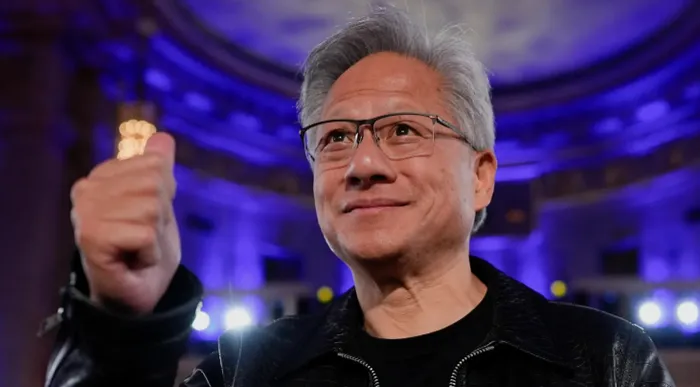
This dominance stems from Nvidia's evolution. Founded in 1993 as a niche player in gaming graphics, it pivoted to AI under Huang's guidance, anticipating the computational demands of machine learning. Today, its chips are indispensable for training vast AI models, turning what was once a sideline into a multi-trillion-dollar empire.
Jensen Huang: From Immigrant Roots to Tech Titan
No figure embodies Nvidia's success more than Jensen Huang. Born in Taiwan and immigrating to the U.S. at age nine, Huang co-founded the company and has steered it for over three decades. His stake, valued at roughly $179 billion based on recent filings, places him as the world's eighth-richest individual, per Forbes. The Bloomberg Billionaires Index pegs his net worth even higher at over $180 billion, up $68 billion year-to-date and $16 billion in just days.
Huang's charisma and foresight have made him a Silicon Valley legend. At the conference, he navigated geopolitical waters deftly, lauding President Donald Trump's "America First" policies for boosting domestic investment while cautioning that isolating China could deprive the U.S. of access to half the world's AI talent. This balancing act highlights Nvidia's dual role: a profit machine and a strategic asset.
Geopolitical Crossroads
Nvidia's chips, particularly the advanced Blackwell series, have become pawns in the U.S.-China tech standoff. Washington’s export controls aim to curb Beijing's AI ambitions, restricting sales of high-end processors. Yet, Trump is set to discuss the Blackwell chip with Chinese President Xi Jinping, potentially exploring a downgraded version for export—a move floated months ago that could ease tensions.
Analysts see Huang's outreach to D.C. as masterful. "Nvidia clearly brought their story to Washington to educate and gain favor," said Bob O'Donnell of TECHnalysis Research. By committing to U.S. supercomputers and emphasizing domestic benefits, Huang positions Nvidia as a national champion. Still, excluding China risks fragmenting the global AI ecosystem, where Nvidia's tools are ubiquitous.
This scrutiny extends beyond borders. Rivals like Advanced Micro Devices and well-funded startups are vying for market share, but Nvidia's ecosystem—encompassing software like CUDA—gives it a moat. As O'Donnell notes, the company has hit "the hottest and most influential topics in tech," from quantum integration to government contracts.
Market Impact and Valuations
Nvidia's heft reverberates across global markets. Its $5.03 trillion valuation dwarfs the combined stock markets of the Netherlands, Spain, UAE, Italy, and Poland. It's larger than all but five national exchanges: the U.S., China, Japan, Hong Kong, and India, which it's just $250 billion shy of surpassing. In the S&P 500, Nvidia's weighting nears 9%, outpacing Microsoft and Apple—both at around $4 trillion—by two percentage points.
This influence amplifies market swings. Tech's heavy S&P footprint means Nvidia's moves can sway broader indices, as seen in its contribution to this year's gains. Wall Street remains bullish: Of 80 analysts tracked by Bloomberg, over 90% rate it a buy, with just one sell from Seaport Global's Jay Goldberg.
Valuations, however, invite caution. Trading at under 34 times estimated earnings—below its five-year average of 39—the stock appears reasonable compared to the Philadelphia Semiconductor Index at 29 times. "If AI delivers as promised, these valuations are justified," said Dan Eye, chief investment officer at Fort Pitt Capital Group. Yet, skeptics like Matthew Tuttle of Tuttle Capital Management warn of a "flywheel" effect: AI's growth depends on Big Tech's mutual investments, which could falter if cash flows disappoint.
Challenges Ahead
Despite the optimism, headwinds loom. Nvidia's 1,300% surge since late 2022 raises bubble concerns, with some fearing overreliance on a few players. Competitors like AMD and Broadcom could erode market share, especially if export curbs limit growth avenues. Eye predicts Nvidia may "cede some ground," though its lead remains formidable.
Regulatory eyes are watchful. As a linchpin in AI, Nvidia faces antitrust scrutiny, and geopolitical shifts could disrupt supply chains. Quarterly results on November 19 will be pivotal, testing whether Huang's $500 billion order book translates to sustained profits.
Sustaining the Momentum
Nvidia's $5 trillion milestone isn't merely a number—it's a testament to AI's economic promise and Huang's visionary stewardship. As Keith Lerner of Truist Advisory Services put it, "A $5 trillion market cap would have been unimaginable a few years ago." The company has transitioned from chipmaker to industry architect, influencing everything from stock indices to international diplomacy.
Yet, the path forward demands vigilance. With AI spending showing no signs of abating, Nvidia stands poised to capitalize, but valuations hinge on delivering transformative results. Investors must weigh the euphoria against potential pitfalls, from competitive pressures to policy risks. In this high-stakes arena, Nvidia's story is far from over; it's evolving into a defining chapter of the digital age.

Expert analysis on U.S. markets and macro trends, delivering clear perspectives behind major market moves.
Latest Articles
Stay ahead of the market.
Get curated U.S. market news, insights and key dates delivered to your inbox.
AInvest
PRO
AInvest
PRO



Comments
No comments yet