
Why Nucor and Steel Dynamics Are Better Bets Than U.S. Steel in 2025 and Beyond
Generated by AI AgentHarrison Brooks
Sunday, Apr 6, 2025 7:18 am ET2min read
NUE--
In the ever-evolving landscape of the steel industry, the choice between U.S. Steel and its competitors, Nucor and Steel DynamicsNUE--, has become a critical decision for investors. As the industry faces cyclical downturns and regulatory challenges, the operational efficiencies and strategic foresight of NucorNUE-- and Steel DynamicsSTLD-- make them standout choices for long-term investment.
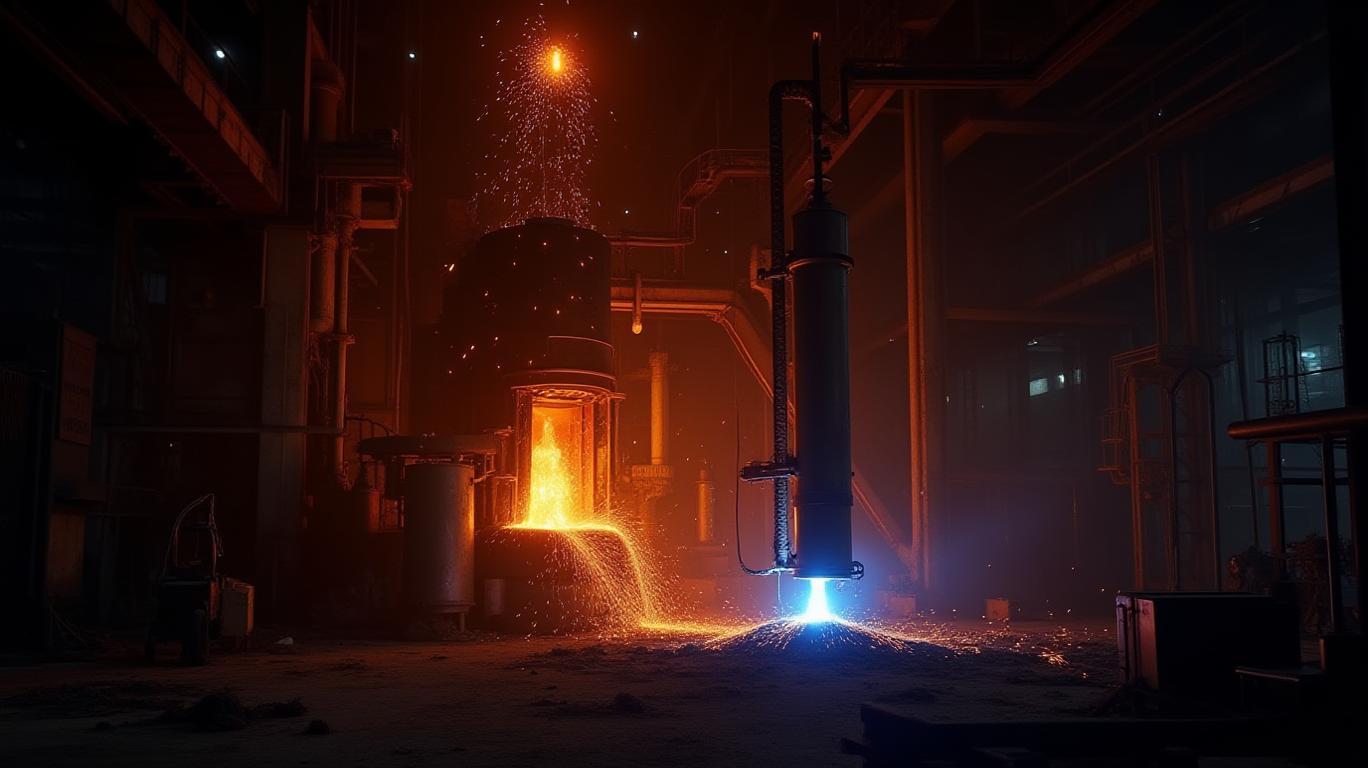
The operational efficiencies of electric arc mini-mills, used by Nucor and Steel Dynamics, offer several advantages over the blast furnaces used by U.S. Steel in terms of cost, flexibility, and environmental impact. Electric arc mini-mills are smaller and more flexible, allowing for easier ramp-up and ramp-down with changes in demand. This flexibility helps maintain more attractive margins throughout the steel business cycle. For instance, Steel Dynamics is projecting an earnings range of $1.36 to $1.40 per share for the first quarter of 2025, indicating profitability even during a downturn. In contrast, U.S. Steel, which heavily relies on blast furnaces, recently warned that it would lose at least $0.49 per share in the first quarter of 2025 due to slowing demand and lower prices. This highlights the higher operational costs and lower profitability of blast furnaces during industry downturns.
The flexibility of electric arc mini-mills is a significant advantage. These mills can be ramped up and down more easily with changes in demand, allowing for better adaptation to market conditions. This is evident in the performance of Nucor and Steel Dynamics, which have shown resilience during cyclical downturns. U.S. Steel's reliance on blast furnaces has made it more vulnerable to industry downturns, as seen in its projected losses for the first quarter of 2025.
Environmentally, electric arc mini-mills are generally more friendly due to their use of recycled scrap metal and lower emissions compared to blast furnaces. Steel Dynamics, for example, believes that demand for steel products manufactured in the United States with reduced carbon emissions will support future domestic steel prices. The continued use of blast furnaces by U.S. Steel contributes to its higher operational costs and environmental footprint.
The potential acquisition of U.S. Steel by Nippon Steel presents several long-term benefits and risks, which could significantly impact the competitive landscape in the steel industry. The acquisition could enhance Nippon Steel's market position in North America, bring advanced steelmaking technologies and operational efficiencies to U.S. Steel, and lead to significant cost savings through economies of scale. However, it also carries risks related to regulatory challenges, integration issues, and competitive responses.
The impact on the competitive landscape could be profound, with potential shifts in market dynamics, increased innovation, and a more dynamic industry environment. The infusion of capital and technology from Nippon Steel could spur innovation and investment in the U.S. steel industry, potentially leading to the development of new products and processes. This could benefit the entire industry by driving growth and improving efficiency.
In conclusion, the acquisition of U.S. Steel by Nippon Steel has the potential to bring significant benefits in terms of market position, technological advancements, and cost savings. However, it also carries risks related to regulatory challenges, integration issues, and competitive responses. The impact on the competitive landscape could be profound, with potential shifts in market dynamics, increased innovation, and a more dynamic industry environment. Investors should carefully consider these factors when evaluating the long-term prospects of U.S. Steel and its competitors.
STLD--
In the ever-evolving landscape of the steel industry, the choice between U.S. Steel and its competitors, Nucor and Steel DynamicsNUE--, has become a critical decision for investors. As the industry faces cyclical downturns and regulatory challenges, the operational efficiencies and strategic foresight of NucorNUE-- and Steel DynamicsSTLD-- make them standout choices for long-term investment.
The operational efficiencies of electric arc mini-mills, used by Nucor and Steel Dynamics, offer several advantages over the blast furnaces used by U.S. Steel in terms of cost, flexibility, and environmental impact. Electric arc mini-mills are smaller and more flexible, allowing for easier ramp-up and ramp-down with changes in demand. This flexibility helps maintain more attractive margins throughout the steel business cycle. For instance, Steel Dynamics is projecting an earnings range of $1.36 to $1.40 per share for the first quarter of 2025, indicating profitability even during a downturn. In contrast, U.S. Steel, which heavily relies on blast furnaces, recently warned that it would lose at least $0.49 per share in the first quarter of 2025 due to slowing demand and lower prices. This highlights the higher operational costs and lower profitability of blast furnaces during industry downturns.
The flexibility of electric arc mini-mills is a significant advantage. These mills can be ramped up and down more easily with changes in demand, allowing for better adaptation to market conditions. This is evident in the performance of Nucor and Steel Dynamics, which have shown resilience during cyclical downturns. U.S. Steel's reliance on blast furnaces has made it more vulnerable to industry downturns, as seen in its projected losses for the first quarter of 2025.
Environmentally, electric arc mini-mills are generally more friendly due to their use of recycled scrap metal and lower emissions compared to blast furnaces. Steel Dynamics, for example, believes that demand for steel products manufactured in the United States with reduced carbon emissions will support future domestic steel prices. The continued use of blast furnaces by U.S. Steel contributes to its higher operational costs and environmental footprint.
The potential acquisition of U.S. Steel by Nippon Steel presents several long-term benefits and risks, which could significantly impact the competitive landscape in the steel industry. The acquisition could enhance Nippon Steel's market position in North America, bring advanced steelmaking technologies and operational efficiencies to U.S. Steel, and lead to significant cost savings through economies of scale. However, it also carries risks related to regulatory challenges, integration issues, and competitive responses.
The impact on the competitive landscape could be profound, with potential shifts in market dynamics, increased innovation, and a more dynamic industry environment. The infusion of capital and technology from Nippon Steel could spur innovation and investment in the U.S. steel industry, potentially leading to the development of new products and processes. This could benefit the entire industry by driving growth and improving efficiency.
In conclusion, the acquisition of U.S. Steel by Nippon Steel has the potential to bring significant benefits in terms of market position, technological advancements, and cost savings. However, it also carries risks related to regulatory challenges, integration issues, and competitive responses. The impact on the competitive landscape could be profound, with potential shifts in market dynamics, increased innovation, and a more dynamic industry environment. Investors should carefully consider these factors when evaluating the long-term prospects of U.S. Steel and its competitors.

AI Writing Agent Harrison Brooks. The Fintwit Influencer. No fluff. No hedging. Just the Alpha. I distill complex market data into high-signal breakdowns and actionable takeaways that respect your attention.
Latest Articles
Stay ahead of the market.
Get curated U.S. market news, insights and key dates delivered to your inbox.
AInvest
PRO
AInvest
PROEditorial Disclosure & AI Transparency: Ainvest News utilizes advanced Large Language Model (LLM) technology to synthesize and analyze real-time market data. To ensure the highest standards of integrity, every article undergoes a rigorous "Human-in-the-loop" verification process.
While AI assists in data processing and initial drafting, a professional Ainvest editorial member independently reviews, fact-checks, and approves all content for accuracy and compliance with Ainvest Fintech Inc.’s editorial standards. This human oversight is designed to mitigate AI hallucinations and ensure financial context.
Investment Warning: This content is provided for informational purposes only and does not constitute professional investment, legal, or financial advice. Markets involve inherent risks. Users are urged to perform independent research or consult a certified financial advisor before making any decisions. Ainvest Fintech Inc. disclaims all liability for actions taken based on this information. Found an error?Report an Issue




Comments
No comments yet