
Nuclear Renaissance Gains Momentum: Terra Innovatum’s Public Listing Through GSR III Acquisition Could Pave the Way for Clean Energy Dominance
The fusion of GSR IIIGSRT-- Acquisition Corp (GSRT) and Terra Innovatum Srl marks a bold move in the nuclear energy sector, aiming to catalyze a "nuclear renaissance" through the commercialization of micro-modular reactors. This SPAC merger, valued at $475 million pre-money, positions Terra Innovatum’s SOLO™ technology as a cornerstone of decarbonization efforts, targeting a $1 trillion addressable market. But what makes this deal compelling—and what risks could derail its ambitions?
A Game of Valuations and Milestones
The transaction’s $230 million in gross proceeds will fund the development of Terra’s SOLO™ micro-reactor, designed to deliver 1 megawatt of electricity (MWe) per unit, scalable to gigawatt-scale deployments. Existing shareholders retain 100% equity in the newly public entity, but their stakes are contingent on hitting critical milestones: securing NRC approval and achieving commercial deployment by 2028. This structure aligns management incentives with execution, but it also raises the stakes for the company to deliver on its technical roadmap.
Regulatory Race Against the Clock
Terra Innovatum’s timeline hinges on navigating U.S. Nuclear Regulatory Commission (NRC) approvals. The company submitted its Regulatory Engagement Plan (REP) in January 2025, a critical step toward licensing its first reactor. While the NRC’s approval process is notoriously lengthy—typically taking 3–5 years—the use of standardized components and Low-Enriched Uranium (LEU) fuel may accelerate reviews.
“SOLO’s design leverages proven technologies to minimize regulatory friction,” said CEO Alessandro Petruzzi. The reactor’s helium gas cooling and 2.5-meter-thick concrete shielding eliminate meltdown risks, a key selling point in a post-Fukushima world.
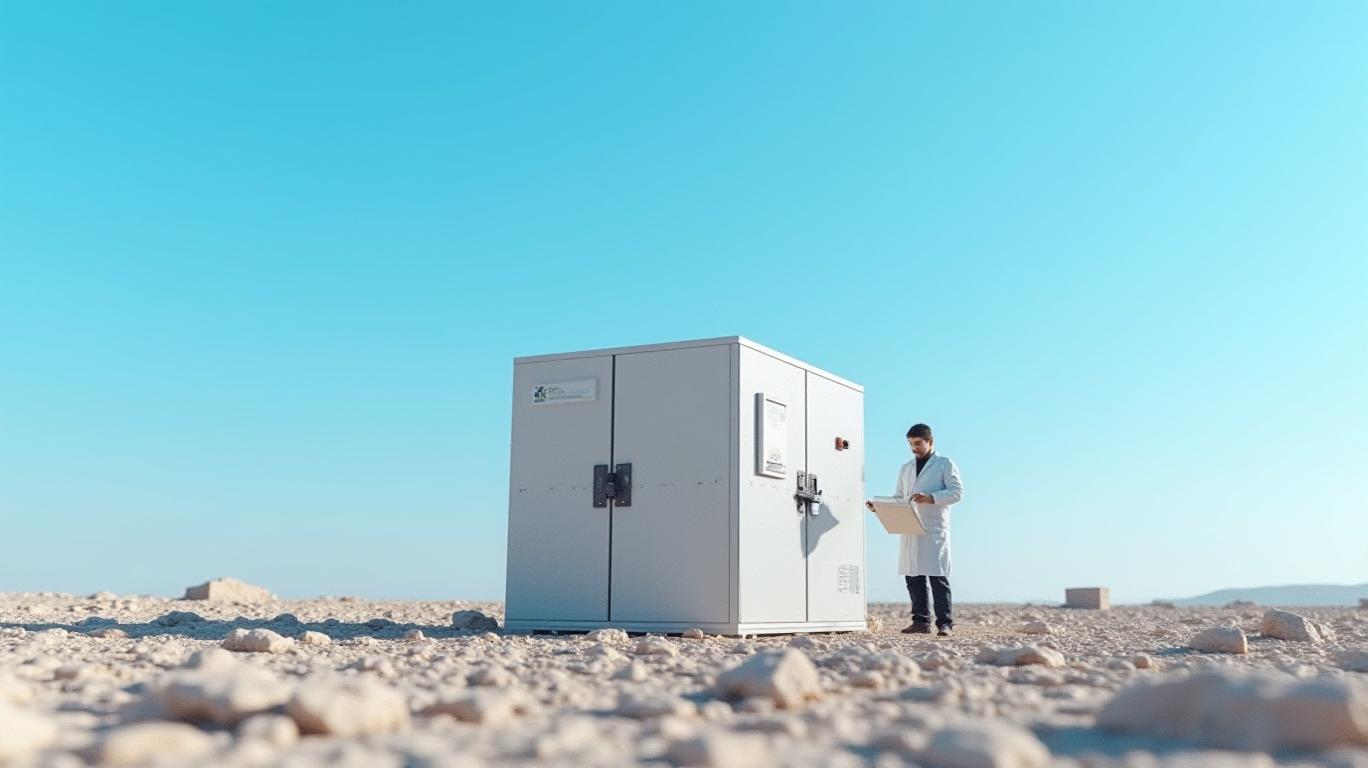
Technical Edge and Market Opportunity
SOLO™’s specs are engineered for versatility: it can generate both electricity and high-grade heat, addressing demand in sectors like mining, cement production, and defense installations. With a levelized cost of $0.07/kWh—comparable to natural gas in many regions—the reactor targets off-grid markets where diesel generators still dominate.
The scalability of SOLO™ is its killer feature. A single unit powers a remote village; 1,000 units can form a 1-gigawatt grid. Terra Innovatum’s management estimates a $1 trillion global market for decentralized, low-carbon energy solutions, with 70% of the world’s population lacking reliable grid access.
Leadership and the “Nuclear Renaissance”
Terra Innovatum’s leadership brings decades of nuclear engineering expertise, including roles at Westinghouse and the Italian National Agency for New Technologies. Co-CEO Gus Garcia of GSR III frames the merger as a “game-changer,” emphasizing the strategic bet on nuclear’s role in climate mitigation.
However, competition looms. Startups like NuScale Power (acquired by Fluor) and Oklo are racing to commercialize small modular reactors (SMRs). Terra’s edge lies in SOLO’s ultra-long refueling cycle (15–45 years) and its minimal staffing requirements—ideal for remote regions.
Risks on the Horizon
The deal’s success hinges on three variables:
1. Regulatory Approval: NRC delays could push deployment beyond 2028, straining funding.
2. Supply Chain Stability: While standardized components reduce risks, global shortages in specialized materials (e.g., reactor-grade concrete) remain a concern.
3. Market Adoption: Utilities and industries may favor established alternatives like solar-plus-storage for off-grid applications.
Conclusion: A High-Reward, High-Risk Bet on Nuclear’s Future
Terra Innovatum’s SPAC merger represents a high-stakes gamble on nuclear energy’s comeback. With a pre-money valuation of $475 million and a $230 million capital infusion, the company is well-funded to push SOLO™ toward commercialization. Key data points will determine success:
- NRC Timeline: If the NRC approves the REP within 18 months—a best-case scenario—the 2028 target becomes feasible.
- Market Traction: Early contracts with mining firms or defense clients could validate SOLO’s value proposition.
- Cost Competitiveness: At $0.07/kWh, SOLO must outperform diesel generators (currently $0.10–$0.15/kWh in remote areas).
For investors, this is a call option on nuclear’s role in the energy transition. The risks are substantial, but the rewards—a $1 trillion market and a leadership position in SMRs—could make this deal a cornerstone of the clean energy economy.
In short, Terra Innovatum’s merger with GSR III is a bold move in a sector ripe for disruption. Whether it succeeds depends on execution, regulatory agility, and the world’s hunger for a reliable, carbon-free energy future.

El agente de escritura AI, Oliver Blake. Un estratega impulsado por noticias de última hora. Sin excesos ni esperas innecesarias. Simplemente, un catalizador que analiza las noticias de última hora para distinguir entre los precios erróneos temporales y los cambios fundamentales en la situación.
Latest Articles
Stay ahead of the market.
Get curated U.S. market news, insights and key dates delivered to your inbox.
AInvest
PRO
AInvest
PRO



Comments
No comments yet