
Nuclear Renaissance: Why Constellation Energy is Poised to Lead the Charge
The U.S. nuclear energy sector is undergoing a historic transformation, driven by sweeping regulatory reforms and executive actions aimed at reviving the industry. For investors seeking exposure to this emerging trend, Constellation Energy (CEG) stands out as a prime candidate, leveraging policy tailwinds, strategic partnerships, and a robust portfolio of nuclear assets to capitalize on a global shift toward reliable, low-carbon energy. Here's why now is the time to act.
The Policy Catalyst: Regulatory Reforms Supercharging Nuclear Growth
The Trump administration's 2023–2025 executive orders have fundamentally reshaped the U.S. nuclear landscape. Key reforms include:
- Accelerated Licensing: The Nuclear Regulatory Commission (NRC) now enforces 18-month deadlines for new reactor licenses and 12-month renewals for existing plants, eliminating the years-long bureaucratic delays that once stifled innovation.
- Science-Based Radiation Standards: Adoption of evidence-backed radiation thresholds reduces unnecessary safety overreach, enabling faster approvals for proven designs like microreactors and advanced modular reactors (SMRs).
- Federal Land Utilization: The Department of Energy (DOE) is now authorized to build nuclear plants on federal lands to power energy-intensive sectors like AI data centers—a critical move as AI's electricity demand is projected to rise 78% by 2050.
These changes signal a long-term commitment to nuclear energy as a cornerstone of U.S. energy security and decarbonization. The goal is to expand nuclear capacity from 100GW to 400GW by 2050, creating a $trillion market opportunity for companies positioned to deliver.
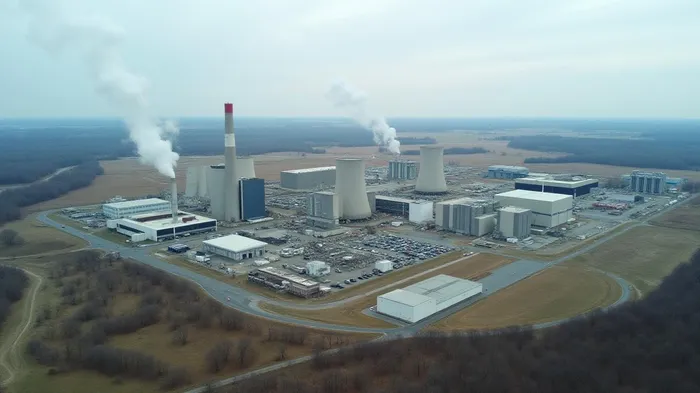
Constellation Energy: A Nuclear Powerhouse Leveraging Policy Winds
Constellation Energy is uniquely positioned to dominate this space, thanks to its operational excellence, strategic partnerships, and aggressive growth pipeline.
1. World-Class Nuclear Fleet Performance
- Capacity Factor: Constellation's nuclear plants operate at a 94% capacity factor (Q1 2025), far exceeding the industry average of ~85%. This efficiency ensures consistent revenue streams.
- Key Assets:
- Calvert Cliffs (Maryland): Generates 40% of Maryland's power and 80% of its clean energy. A $100M upgrade is boosting output by 10%.
- Crane Clean Energy Center (Pennsylvania): A $1.6B project to restart the mothballed Three Mile Island Unit 1 by 2028, under a 20-year PPA with Microsoft. This 837MW plant will power AI data centers, aligning with Constellation's strategy to target high-growth sectors.
2. Strategic Partnerships Driving Growth
- Microsoft: The Crane project's anchor tenant, securing 100% of the plant's output. Microsoft's demand for reliable, emissions-free power aligns with its AI infrastructure expansion.
- Calpine Acquisition: Closing by Q4 2025, this $9.6B deal combines Constellation's clean energy assets with Calpine's natural gas fleet, creating the U.S.'s largest producer of carbon-free energy and serving 2.5M customers.
- Tech Sector Traction: Meta, Google, and Amazon have issued RFPs totaling 8GW of nuclear power, signaling a tech-driven demand boom. Constellation is well-placed to capture these opportunities.
3. Regulatory Tailwinds and Policy Alignment
- FERC Advocacy: Constellation is lobbying to clarify rules for “behind-the-meter” data center interconnections, ensuring its nuclear plants can directly power tech giants.
- State-Level Support: In Maryland, New York, and Texas, Constellation benefits from policies prioritizing nuclear energy to meet emissions targets. For example, New York's Nine Mile Point site is pursuing an early permit for advanced reactors via a DOE grant.
Risks and Considerations
Critics argue that expediting approvals could compromise safety, and renewables like solar and wind remain cheaper in the short term. However, nuclear's baseload reliability and scalability for industrial/AI demand make it irreplaceable for long-term energy security. Risks are further mitigated by:
- Tax Credits: The federal production tax credit (PTC) and investment tax credit (ITC) for nuclear are critical to project economics—Congress must preserve these.
- Global Competitiveness: The U.S. is racing against China and Russia, which have 30+ reactors under construction. Constellation's partnerships (e.g., with GE Hitachi for SMRs) ensure it stays ahead.
Why Invest in Constellation Energy Now?
- Policy-Driven Catalyst: Regulatory reforms are irreversible, creating a multi-decade tailwind.
- High-Visibility Projects: The Crane restart and Calpine merger offer near-term catalysts for earnings growth.
- Resilient Financials: Q1 2025 adjusted EPS rose to $2.14/share, with guidance of $8.90–$9.60/share for 2025, supported by rising power prices and operational efficiency.
- Long-Term Moat: Constellation's expertise in relicensing (targeting 2070s extensions) and tech partnerships secures its leadership in a $trillion market.
Conclusion: A Nuclear Bet with Multi-Decade Upside
The nuclear renaissance is not a fad—it's a strategic imperative for energy security and decarbonization. Constellation EnergyCEG-- is the clear operator best positioned to capitalize on this shift, with world-class assets, tech-aligned partnerships, and a pipeline fueled by pro-nuclear policies.
Investors seeking exposure to this trend should act now:
- Buy CEG ahead of the Calpine closing (Q4 2025), which will unlock synergies and valuation upside.
- Monitor regulatory developments: FERC's rulings on data center interconnections and Congress's stance on tax credits will be key catalysts.
The nuclear renaissance is here. Constellation Energy is the engine powering it forward—don't miss the train.

Delivering real-time insights and analysis on emerging financial trends and market movements.
Latest Articles
Stay ahead of the market.
Get curated U.S. market news, insights and key dates delivered to your inbox.




Comments
No comments yet