
Nuclear Power's Quiet Comeback: Why Constellation Energy is Poised to Thrive
The energy sector is at a crossroads. As natural gas prices surge to $4.50 per million British thermal units—up 20% from early 2024—and renewable energy intermittency strains grids, investors are rediscovering a once-maligned asset: nuclear power. Among its proponents stands Constellation EnergyCEG-- (CEG), a utility giant leveraging bipartisan policy momentum, regulatory wins, and a $100 million capital upgrade at its flagship Calvert Cliffs plant to position itself as a pillar of the clean energy transition. 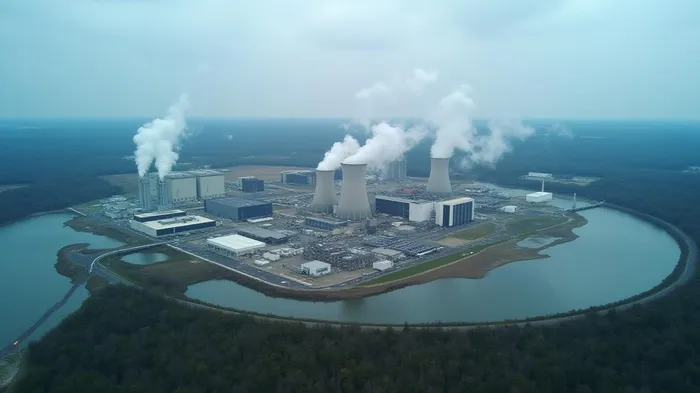
Why Nuclear is Back—and Why It Matters
Nuclear energy's renaissance is no accident. Unlike wind or solar, it delivers 24/7 baseload power, immune to weather whims. With global natural gas prices volatile due to geopolitical tensions and rising demand from data centers, nuclear's cost stability is a strategic hedge. The U.S. Energy Information Administration projects nuclear's share of U.S. electricity generation to climb to 22% by 2030 from 19% today—a shift Constellation is uniquely poised to capitalize on.
Constellation's Triple-Barreled Moat
1. Regulatory Green Lights for Calvert Cliffs
In November 2024, the Nuclear Regulatory Commission (NRC) granted Constellation a critical exemption: it can now file for license renewals at its 40-year-old Calvert Cliffs plant three years earlier than the standard five-year window. This accelerates the process to extend the plant's life beyond 2034-2036—a decision justified by the NRC's streamlined review timelines (now 18-30 months). The move isn't just about compliance; it's a signal of regulatory confidence in nuclear's role as a carbon-free backbone.
2. Bipartisan Policy Tailwinds
While Washington is gridlocked, nuclear enjoys rare bipartisan support. Maryland's proposed Next Generation Energy Act aims to reduce reliance on imported power by boosting in-state generation—of which nuclear already supplies 80% of the state's clean energy. At the federal level, the Inflation Reduction Act's clean energy tax credits and the bipartisan infrastructure law's focus on grid resilience are fueling demand for projects like Constellation's $68 million substation upgrade at Calvert Cliffs.
3. Dividends in an Uncertain World
CEG's dividend yield of 1.2% may seem modest, but its stability is a rarity. The company has increased payouts every year since 2023, including a 10% boost to $0.388 per share in May 2025. With a payout ratio of just 40% of earnings, there's ample room to grow payouts as the Calvert Cliffs upgrades boost output by an estimated 10%—enough to surpass all Maryland wind and solar combined.
The Math: Why CEG is a Buy Now
- Valuation: At a forward P/E of 18x (vs. 22x for peers like NextEra Energy), CEG trades at a discount despite its 114% stock surge in 2024.
- Margin of Safety: Calvert Cliffs' 103.8% capacity factor in 2024 (it produced 3% more energy than its rated capacity) underscores operational excellence.
- Upside Catalysts:
- Advanced reactor partnerships: Constellation's quiet R&D ties with companies like X-energy (developer of small modular reactors) could unlock new markets.
- Inflation hedge: Every $1 increase in natural gas prices adds ~$200 million annually to Calvert Cliffs' value.
Risks? Yes—but Manageable
Critics cite aging reactors and NIMBYism, but Constellation's $100M spring 2025 outage—upgrading transformers and breakers—proves it's proactively addressing risks. Even a worst-case scenario of Calvert Cliffs closing in 2034 leaves ample time to monetize its value: the plant's $23 million annual property tax contribution and 800 direct jobs give policymakers strong incentives to support its extension.
Conclusion: A 2030s Winner
The market still underappreciates nuclear's role in a decarbonizing grid. Constellation's stock, up 150% since late 2023, hasn't fully priced in its advantages: a politically insulated asset base, dividend growth tied to inflation, and a 40% market share of Maryland's clean energy future. With the ESG movement finally recognizing nuclear's carbon-free credentials and gas prices unlikely to retreat, now is the time to buy CEG. Set a price target of $350 by year-end 2026—up 20% from current levels—and brace for the next leg of this quiet comeback.
Rating: Buy
Price Target: $350
Key Risk: Regulatory delays, though recent NRC actions suggest cooperation.
Investors seeking a reliable, dividend-backed play on energy resilience need look no further. Constellation Energy isn't just surviving—it's leading the nuclear renaissance.

Stay ahead of the market.
Get curated U.S. market news, insights and key dates delivered to your inbox.




Comments
No comments yet