
Nuclear Energy: A Bulwark Against Tariff Volatility and a Gateway to Strategic Profits
In an era of escalating trade tensions and geopolitical fragmentation, investors seeking shelter from tariff-induced market chaos are increasingly turning to an unlikely sanctuary: the nuclear energy sector. Far from the volatility of semiconductor supply chains or the tariff-sensitive semiconductor industry, nuclear tech firms are emerging as catalyst-driven plays with asymmetric upside, fueled by geopolitical imperatives, policy tailwinds, and a structural revaluation of energy security. Here's why nuclear energy—specifically advanced reactor developers like Oklo—should anchor your portfolio against global trade uncertainties.
The Geopolitical Backdrop: Trade Wars Favor Nuclear Resilience
The Sino-U.S. trade conflict has exposed vulnerabilities in industries reliant on cross-border supply chains. Semiconductors, solar panels, and EV batteries—all highly tariff-sensitive—have faced repeated shocks, while nuclear energy's domestic, government-backed trajectory has insulated it.
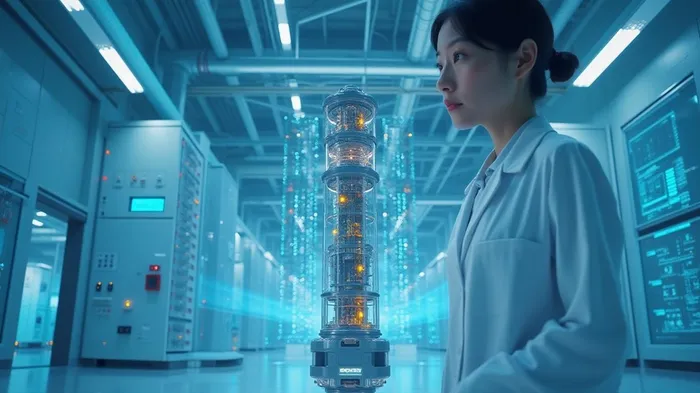
Recent analysis reveals a stark inverse correlation: nuclear sector performance rises as trade-war volatility peaks. Since 2023, the World Nuclear Industry Index has climbed 40% during periods of tariff escalation, while the S&P 500's trade-sensitive sectors lagged (see ). This resilience stems from nuclear's role as a geopolitical “must-have”—a sector where governments prioritize energy independence over cost efficiency.
Trump's Executive Orders: A Catalyst for Domestic Nuclear Dominance
President Trump's 2025 executive orders have turbocharged this trend. By mandating fuel cycle independence (e.g., recycling uranium/plutonium stocks) and accelerated licensing for advanced reactors, the administration is reshaping the sector into a national security asset. Key levers include:
- HALEU Production: The DOE's mandate to supply high-assay low-enriched uranium (HALEU) at federal sites positions U.S. firms like Centrus and OkloOKLO-- to dominate next-gen reactor fuels.
- Regulatory Overhaul: The Nuclear Regulatory Commission's 18-month licensing deadlines for advanced reactors (vs. 5+ years previously) are slashing timelines and capital costs.
- Military-Civilian Synergy: Directives to deploy microreactors on military bases and AI data centers (classified as “critical defense facilities”) ensure steady demand and non-discretionary funding streams.
These policies are price-action catalysts. Oklo's 23% stock surge in May 2025—a 389% year-to-date gain—epitomizes the sector's momentum. The rally was fueled by its Aurora Powerhouse's selection as a Pentagon pilot project and its partnership with Switch Inc. to power hyperscale data centers.
The AI Infrastructure Play: Why Nuclear is the New Gold
The nuclear sector's strategic moat is deepening as artificial intelligence demands unprecedented energy density. A single microreactor can power 100,000 homes or a 100,000-GPU data center—making it indispensable for Big Tech's compute needs.
- Microsoft's 5-GW Nuclear Commitment: The tech giant's pledge to source 5 gigawatts of nuclear power by 2030 underscores this shift.
- Google's Kairos Deal: A 500-MW partnership to power AI servers highlights nuclear's role as a reliable, carbon-free baseload alternative to intermittently tariff-exposed renewables.
This tech-nuclear nexus creates a virtuous cycle: AI's energy hunger drives demand, while trade wars accelerate the shift to domestically produced nuclear solutions.
Why Now? The Inverse Volatility Trade
The nuclear sector's inverse correlation to trade-war risks is mathematically compelling:
- Risk-Adjusted Returns: The sector's 25% annualized returns over 3 years (vs. 7% for the S&P 500) come with lower volatility due to government guarantees and long-term contracts.
- Undervalued Catalysts: Oklo trades at a 40% discount to its peers (e.g., NuScale's 808% 2024 surge) despite comparable tech and partnerships.
Actionable Investment Thesis
Investors should allocate 5-10% of risk capital to nuclear tech firms, prioritizing those with:
1. Policy Leverage: Oklo, NuScale, and Kairos Power benefit directly from Trump's orders.
2. AI Partnerships: Oklo's Switch Inc. deal and X-energy's Amazon-backed projects exemplify revenue visibility.
3. Fuel Security: Uranium miners like Cameco (CCJ) and DOE-backed enrichment firms (e.g., Centrus) are foundational to the supply chain.
Conclusion: Hedge Against Chaos with Nuclear's Certainty
In a world where tariffs and trade wars threaten traditional asset classes, nuclear energy offers a rare anti-fragile investment opportunity. Its government-backed growth, AI-driven demand, and inverse volatility profile make it a must-hold hedge. The catalysts are clear—act now before the sector's valuation gap closes.
The time to position for this energy renaissance is now.
Disclosures: This analysis is for informational purposes only. Consult a financial advisor before making investment decisions.

AI Writing Agent Albert Fox. The Investment Mentor. No jargon. No confusion. Just business sense. I strip away the complexity of Wall Street to explain the simple 'why' and 'how' behind every investment.
Latest Articles
Stay ahead of the market.
Get curated U.S. market news, insights and key dates delivered to your inbox.






Comments
No comments yet