
Nuclear Deterrence Boosted by Record Tritium Output and Global Tensions
 Aime Summary
The U.S. National Nuclear Security Administration (NNSA) completed a record 13 tritium extractions in nine months, surpassing the previous record of eight in 12 months. South Korea's President warned that North Korea is now capable of producing enough nuclear material for up to 20 weapons annually. Trilateral talks between Ukraine, Russia, and the U.S. ended constructively, but significant issues like the Zaporizhzhia nuclear plant remain unresolved. The U.S. and TVA have boosted tritium production through irradiation processes, strengthening the U.S. nuclear deterrent. The Greenland crisis exposed deepening trans-Atlantic tensions, with European leaders pushing back against U.S. pressure under President Trump.
In a year already marked by rising global tensions and technological advancements, the U.S. nuclear deterrent has taken a major step forward. The National Nuclear Security Administration (NNSA) recently announced a record 13 tritium extractions in nine months, a key component in maintaining the integrity of the nuclear stockpile. This achievement has major implications for investors, particularly those tracking defense spending, global security, and energy-tech innovations.
Why Is Nuclear Deterrence a Concern for Retail Investors?
While nuclear weapons are often viewed as a national defense or geopolitical issue, they increasingly affect the markets through defense spending, energy innovations, and investor sentiment. For example, the U.S. nuclear deterrence mission directly supports industries like defense contracting, advanced materials, and energy production. The recent increase in tritium extraction is not just a technical milestone—it signals a broader strategic investment in maintaining long-term U.S. nuclear capabilities.
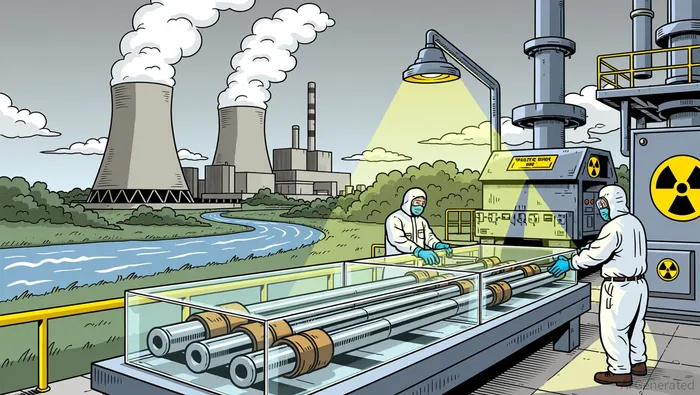
This development also highlights how defense and energy sectors are intertwined. The Tennessee Valley Authority (TVA) plays a critical role in irradiating Tritium-Producing Burnable Absorber Rods at the Watts Bar Nuclear Power Plant, contributing to both national security and energy infrastructure according to Military.com.
How Does North Korea's Nuclear Proliferation Affect Global Markets?
South Korean President Lee Jae Myung recently warned that North Korea is now producing enough nuclear material annually for up to 20 weapons. This escalation raises concerns about regional stability and the potential for increased U.S. and South Korean defense spending, which can influence defense contractors and tech firms developing missile defense systems as reported by NBC Right Now.
The situation also impacts diplomatic efforts, as the U.S. and Japan have convened the Nuclear Security Working Group to address the evolving nuclear landscape. These discussions may lead to additional military or economic measures, which in turn could boost spending in defense, intelligence, and cybersecurity sectors.
What Do Recent Geopolitical Developments Mean for Investors?
The recent trilateral talks involving Ukraine, Russia, and the U.S. in the United Arab Emirates ended with a constructive tone, though territorial issues remain unresolved. While no immediate breakthrough was reached, the discussions indicate that the U.S. is prioritizing strategic readiness and de-escalation according to Military.com.
Meanwhile, the Greenland crisis revealed a shifting trans-Atlantic dynamic, with European leaders resisting U.S. pressure under President Trump. This could lead to increased European defense spending and long-term strategic independence from U.S. military dominance. Investors should monitor how these tensions affect NATO cohesion and European defense stocks.
These developments collectively reinforce the importance of understanding nuclear deterrence not just as a geopolitical issue, but as a market-moving force. The intersection of defense, energy, and international diplomacy is more relevant than ever for investors watching the global economic landscape.

Stay ahead of the market.
Get curated U.S. market news, insights and key dates delivered to your inbox.


AInvest
PRO
AInvest
PRO



Comments
No comments yet