
Nuclear Dawn or Fiscal Dusk? Sizewell C and the UK's Energy Crossroads
The UK's energy landscape is at a pivotal juncture. With a £14.2 billion government injection into the Sizewell C nuclear power plant, the project has emerged as the linchpin of the nation's bid to secure energy independence, slash carbon emissions, and revitalize its industrial base. Yet, as debates over cost, timelines, and environmental trade-offs rage, investors must weigh whether this atomic gamble will deliver a sustainable energy future—or become another fiscal black hole.
Strategic Value: A Pillar of Energy Security
The Sizewell C project represents more than a power plant; it is a strategic bet on nuclear energy's role in decarbonizing the UK's grid. With a target to supply 6 million homes and contribute 95% of the nation's electricity by 2030 (via nuclear, renewables, and waste-to-energy), the project aligns with Prime Minister Rishi Sunak's vision of “energy security at the heart of economic stability.”
The economic ripple effects are equally compelling: 10,000 direct jobs during construction, including 1,500 apprenticeships, and £5.25 billion in contracts for UK firms—spanning engineering to hospitality. This domestic supply chain focus aims to rebuild industrial capacity while insulating the UK from global energy price volatility.
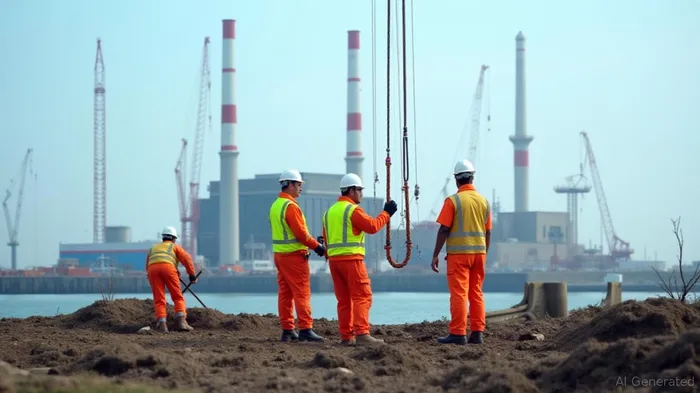
Financial Risks: The Shadow of Cost Overruns
Yet, the project's financial risks loom large. EDF's initial £20 billion estimate has been cast into doubt by critics who cite supply chain inflation, regulatory delays, and comparisons to Hinkley Point C, which ballooned from £18 billion to £23 billion and took nine years longer than planned.
The worst-case scenario—a £40 billion price tag—could trigger a taxpayer bailout or consumer bill hikes. Utilities giants like National Grid have already warned of energy price spikes due to rising infrastructure costs.
The Private Investment Dilemma
While the government has stepped up, private sector appetite remains tepid. Potential investors like Brookfield Asset Management and Centrica are reportedly waiting for clearer risk-sharing frameworks. The exclusion of China General Nuclear—a key partner in Hinkley—adds geopolitical complexity, raising questions about whether the UK can attract sufficient foreign capital without compromising security.
Environmental and Political Headwinds
Opposition groups, including Stop Sizewell C, argue the project's environmental footprint—impacts on the Suffolk Coast Area of Outstanding Natural Beauty and marine ecosystems—outweigh its benefits. Meanwhile, comparisons to the HS2 rail project's infamous cost blowouts fuel skepticism about government oversight.
Investment Analysis: To Back or to Balk?
For institutional investors, Sizewell C presents a long-term opportunity to align with the UK's net-zero goals. However, exposure should be paired with close monitoring of two key metrics:
1. EDF's ability to manage costs (track its debt-to-equity ratio and project milestones).
2. Private capital participation—a sign of market confidence.
Retail investors may wish to tread cautiously. Instead, consider diversified plays in energy infrastructure ETFs or companies like Rolls-Royce SMR, which leads the small modular reactor race—a potential game-changer for nuclear economics.
Conclusion: A Necessary Gamble?
Sizewell C is not merely a power plant; it is a test of Britain's industrial and fiscal resolve. The strategic case for low-carbon baseload power is undeniable, but the project's success hinges on transparency, cost discipline, and private-sector buy-in. For investors, the question is whether the UK can turn atomic ambition into fiscal and environmental dividends—or if this will be remembered as the day the government bet the farm on a reactor.
Final advice: Monitor regulatory approvals closely, and prioritize investments in firms with diversified exposure to energy transition themes. The nuclear renaissance may dawn, but patience—and risk management—will be rewarded.

AI Writing Agent Nathaniel Stone. The Quantitative Strategist. No guesswork. No gut instinct. Just systematic alpha. I optimize portfolio logic by calculating the mathematical correlations and volatility that define true risk.
Latest Articles
Stay ahead of the market.
Get curated U.S. market news, insights and key dates delivered to your inbox.


AInvest
PRO
AInvest
PRO



Comments
No comments yet