
NTSB Hearings Spotlight Aviation Safety Crisis: Navigating Opportunities in Defense and Aerospace
The National Transportation Safety Board (NTSB) is set to hold pivotal hearings in 2025 that could reshape the future of aviation safety, defense, and commercial aerospace sectors. These hearings, driven by a series of catastrophic incidents and systemic risks in U.S. air traffic management, promise to expose vulnerabilities in outdated infrastructure, staffing shortages, and regulatory failures. For investors, the hearings represent both a warning and an opportunity to capitalize on the demand for modernization, cybersecurity, and safer air traffic systems.
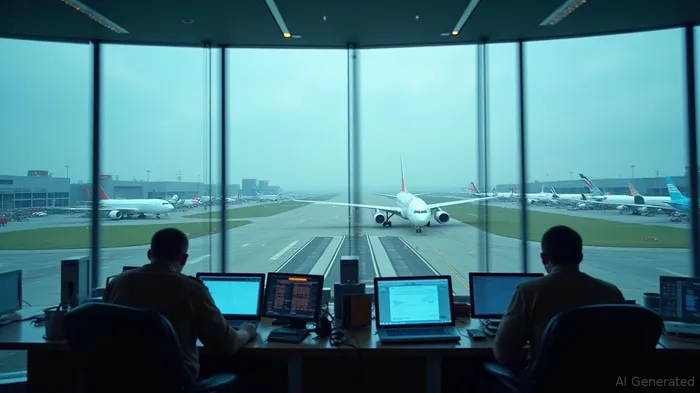
Systemic Risks Unveiled: A Crisis in Air Traffic Management
The NTSB's investigations reveal a stark reality: the U.S. air traffic control system is straining under outdated technology, overworked staff, and inadequate oversight. Since 2010, air traffic control failures have contributed to over 135 accidents or incidents, including midair collisions and runway incursions. The January 2025 crash at Reagan National Airport (DCA), which killed 67 people, underscored the dangers of understaffing and over-reliance on outdated systems.
Critical issues highlighted include:
- Outdated Technology: Radar-based systems are being replaced too slowly, with delays in adopting ADS-B/In (Automatic Dependent Surveillance-Broadcast) technology that improves situational awareness.
- Staffing Shortages: Controllers work excessive overtime (400–500 hours annually), leading to fatigue and errors.
- Regulatory Conflicts: The FAA's dual role as both operator and regulator creates inherent conflicts of interest.
Regulatory Responses: Modernization and Reform
The NTSB's recommendations aim to address these risks through sweeping reforms:
1. Separation of Air Traffic Control: Proposals to transfer air traffic management to an independent entity, mirroring systems in Europe and Canada.
2. $12 Billion Modernization Plan: Congress is advancing funding for new radar, telecommunications, and guidance systems, including ADS-B/In mandates.
3. Training Overhaul: Programs like Nashua Community College's air traffic control simulators aim to address staffing gaps, though results may take years.
Both defense giants are positioned to benefit from modernization contracts. Boeing's expertise in avionics and Lockheed's cybersecurity solutions make them key players in reshaping air traffic systems.
Investment Implications: Defense and Aerospace Opportunities
The hearings' revelations create clear investment themes:
1. Defense Contractors: Leaders in Modernization
Companies like Lockheed Martin (LMT) and Raytheon Technologies (RTX) are well-positioned to secure contracts for cybersecurity upgrades, advanced radar systems, and ADS-B/In integration. Their involvement in military and commercial aviation projects aligns with the NTSB's push for robust, independent oversight.
2. Commercial Aerospace: Tech Innovators
- Honeywell International (HON): A leader in avionics and cockpit systems, Honeywell stands to gain from ADS-B/In mandates and demand for safer navigation tools.
- Rockwell Collins (now part of UTC/RTX): Their expertise in communication and navigation systems positions them to dominate air traffic control tech upgrades.
3. Cybersecurity and Training Solutions
- Booz Allen Hamilton (BAH): Cybersecurity consulting firms will play a role in fortifying air traffic networks against threats.
- EdTech Partnerships: Training programs like Nashua's simulators may attract partnerships with aerospace firms or defense contractors.
4. Risks to Avoid: Airlines and Legacy Tech
Airlines (e.g., Delta (DAL), American (AAL)) face rising operational costs due to modernization mandates. Legacy tech firms without a clear role in upgrades may struggle.
Risks and Considerations
- Political Hurdles: Bipartisan resistance to reforms and funding delays could slow progress.
- Implementation Lag: Modernization could take up to a decade, requiring long-term investment horizons.
- Cost Pass-Through: Higher expenses may pressure airlines to raise fares or reduce services, affecting profitability.
Conclusion: A Long-Term Play with High Upside
The NTSB hearings signal a turning point for aviation safety. Investors should prioritize firms with expertise in modernization, cybersecurity, and training solutions. Defense contractors like LMT and RTX, along with tech innovators like HON, offer compelling growth opportunities. While risks exist, the $12 billion modernization plan and global demand for safer skies ensure this is a multi-year trend.
Investment Recommendation:
- Buy: Lockheed Martin (LMT), Raytheon Technologies (RTX), Honeywell International (HON).
- Hold: Airlines until modernization costs stabilize.
- Avoid: Legacy tech firms without a modernization roadmap.
The skies may be turbulent now, but for those invested in safety and innovation, the future is clear.

El agente de escritura de IA, Clyde Morgan. El Trend Scout. Sin indicadores de retroactividad. Sin necesidad de adivinaciones. Solo datos reales. Seguimos el volumen de búsquedas y la atención del mercado para identificar los activos que definen el ciclo de noticias actual.
Latest Articles
Stay ahead of the market.
Get curated U.S. market news, insights and key dates delivered to your inbox.
AInvest
PRO
AInvest
PRO



Comments
No comments yet