
NRG Energy, GE Vernova, and Kiewit: Accelerating Power Generation for AI's Growing Demand
Generated by AI AgentCyrus Cole
Wednesday, Feb 26, 2025 7:23 am ET2min read
GEV--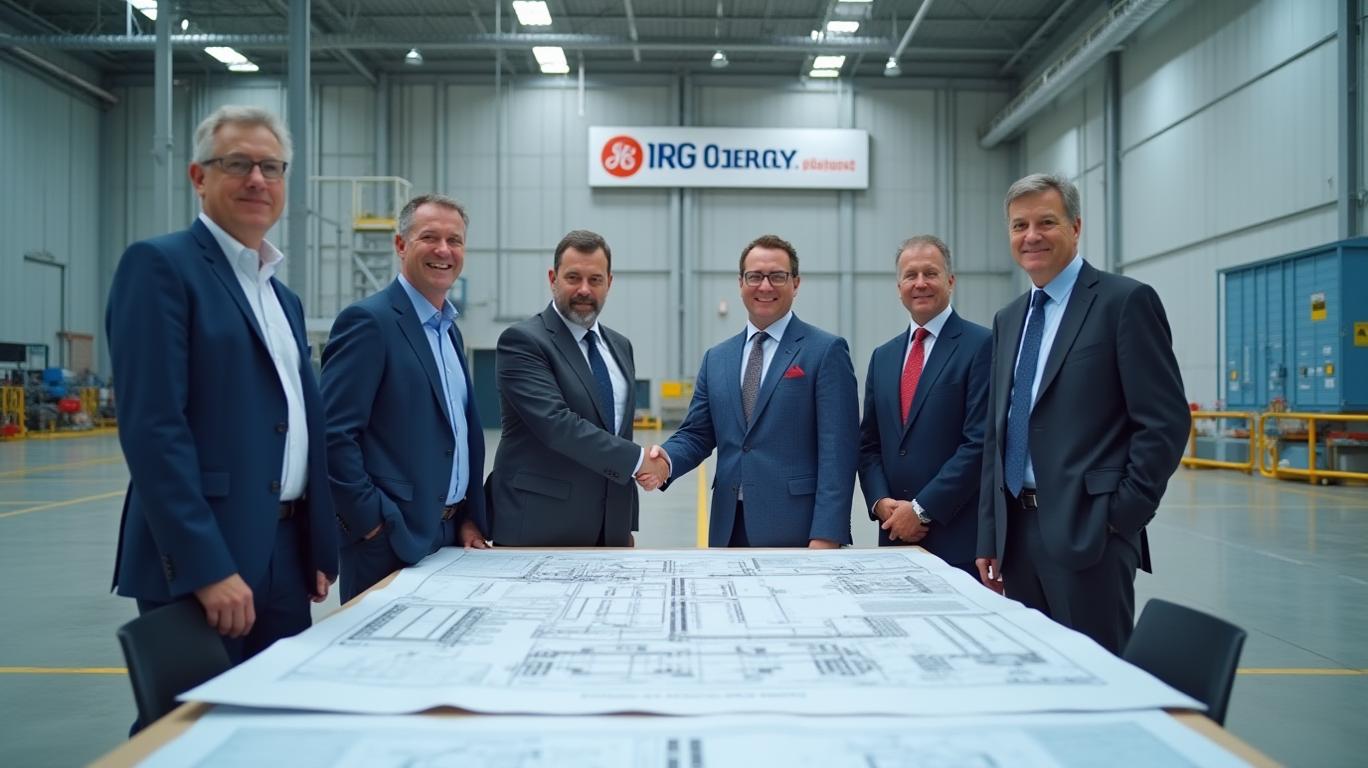
The exponential growth of computing power and generative AI (GenAI) is driving an unprecedented surge in electricity demand. To meet this challenge, NRG EnergyNRG-- (NYSE:NRG), GE VernovaGEV-- (NYSE:GEV), and Kiewit's subsidiary TIC have formed a strategic venture to rapidly bring new electricity generation capacity to market. This collaboration aims to advance four projects totaling over 5 gigawatts (GW) of new natural gas combined cycle power plants for the ERCOT & PJM markets, with the first 1.2GW project slated for commercial operation in 2029.
The partnership combines NRG's power generation expertise (13GW capacity), GE Vernova's equipment manufacturing capabilities, and Kiewit's EPC experience to deliver quality, certainty, and speed in powering GenAI capability. By securing early mover advantage in this space, NRGNRG-- positions itself to capture premium long-term power purchase agreements with technology companies desperate for reliable power.
The venture strategically addresses three critical technical challenges in powering the AI revolution:
1. Reliability requirements: AI data centers demand 99.9999% uptime (less than 30 seconds of downtime annually), necessitating dispatchable generation rather than intermittent renewables alone. The partnership aims to provide reliable, dispatchable natural gas combined cycle power plants to meet this demand.
2. Power density: Modern AI data centers can exceed 100MW per facility with power densities approaching 50kW per rack, creating concentrated load centers that strain existing grid infrastructure. The collaboration focuses on efficient, new natural gas combined cycle power plants to meet the high power demands of AI data centers.
3. Development timeline acceleration: Traditional power plant development cycles of 7-10 years are being compressed to meet urgent capacity needs. The partnership leverages the complementary strengths of NRG's generation expertise, GE Vernova's advanced turbine technology, and Kiewit's construction capabilities to streamline execution and mitigate development risks, potentially reducing the typical concept-to-electron timeline by 20-30%.
The choice of natural gas combined cycle technology reflects a pragmatic balance between immediate reliability needs and environmental considerations. These plants offer quick-start capabilities, high efficiency (60%+ thermal efficiency with GE's 7HA turbines), and approximately 50% lower carbon emissions than coal alternatives. This balance is evident in the following points:
1. Quick-start capabilities: Natural gas combined cycle plants can quickly ramp up or down to meet changing demand, ensuring reliability and stability in the power grid. This is crucial for AI data centers that require high uptime and can't afford extended downtime.
2. High efficiency: With thermal efficiencies of 60% or more, these plants convert a significant portion of the energy from natural gas into electricity, minimizing waste and maximizing output. This efficiency helps to reduce the overall environmental impact and lower costs.
3. Lower carbon emissions: Compared to coal alternatives, natural gas combined cycle plants emit approximately 50% less carbon dioxide. This reduction in emissions helps to mitigate the environmental impact of power generation, aligning with the goals of a decarbonizing economy.
By selecting natural gas combined cycle technology, the NRG-GE Vernova-Kiewit partnership addresses the immediate reliability needs of AI data centers while also considering the environmental impact, demonstrating a balanced approach to power generation.
The NRG-GE Vernova-Kiewit partnership represents a critical infrastructure response to what may be the most significant electrical load growth event since the mid-20th century. The exponential power demands of generative AI are reshaping the energy landscape, and this venture positions these companies at the forefront of what Morgan Stanley estimates could be a $15-20 billion annual market for new power capacity dedicated to AI infrastructure through 2030.
NRG--
The exponential growth of computing power and generative AI (GenAI) is driving an unprecedented surge in electricity demand. To meet this challenge, NRG EnergyNRG-- (NYSE:NRG), GE VernovaGEV-- (NYSE:GEV), and Kiewit's subsidiary TIC have formed a strategic venture to rapidly bring new electricity generation capacity to market. This collaboration aims to advance four projects totaling over 5 gigawatts (GW) of new natural gas combined cycle power plants for the ERCOT & PJM markets, with the first 1.2GW project slated for commercial operation in 2029.
The partnership combines NRG's power generation expertise (13GW capacity), GE Vernova's equipment manufacturing capabilities, and Kiewit's EPC experience to deliver quality, certainty, and speed in powering GenAI capability. By securing early mover advantage in this space, NRGNRG-- positions itself to capture premium long-term power purchase agreements with technology companies desperate for reliable power.
The venture strategically addresses three critical technical challenges in powering the AI revolution:
1. Reliability requirements: AI data centers demand 99.9999% uptime (less than 30 seconds of downtime annually), necessitating dispatchable generation rather than intermittent renewables alone. The partnership aims to provide reliable, dispatchable natural gas combined cycle power plants to meet this demand.
2. Power density: Modern AI data centers can exceed 100MW per facility with power densities approaching 50kW per rack, creating concentrated load centers that strain existing grid infrastructure. The collaboration focuses on efficient, new natural gas combined cycle power plants to meet the high power demands of AI data centers.
3. Development timeline acceleration: Traditional power plant development cycles of 7-10 years are being compressed to meet urgent capacity needs. The partnership leverages the complementary strengths of NRG's generation expertise, GE Vernova's advanced turbine technology, and Kiewit's construction capabilities to streamline execution and mitigate development risks, potentially reducing the typical concept-to-electron timeline by 20-30%.
The choice of natural gas combined cycle technology reflects a pragmatic balance between immediate reliability needs and environmental considerations. These plants offer quick-start capabilities, high efficiency (60%+ thermal efficiency with GE's 7HA turbines), and approximately 50% lower carbon emissions than coal alternatives. This balance is evident in the following points:
1. Quick-start capabilities: Natural gas combined cycle plants can quickly ramp up or down to meet changing demand, ensuring reliability and stability in the power grid. This is crucial for AI data centers that require high uptime and can't afford extended downtime.
2. High efficiency: With thermal efficiencies of 60% or more, these plants convert a significant portion of the energy from natural gas into electricity, minimizing waste and maximizing output. This efficiency helps to reduce the overall environmental impact and lower costs.
3. Lower carbon emissions: Compared to coal alternatives, natural gas combined cycle plants emit approximately 50% less carbon dioxide. This reduction in emissions helps to mitigate the environmental impact of power generation, aligning with the goals of a decarbonizing economy.
By selecting natural gas combined cycle technology, the NRG-GE Vernova-Kiewit partnership addresses the immediate reliability needs of AI data centers while also considering the environmental impact, demonstrating a balanced approach to power generation.
The NRG-GE Vernova-Kiewit partnership represents a critical infrastructure response to what may be the most significant electrical load growth event since the mid-20th century. The exponential power demands of generative AI are reshaping the energy landscape, and this venture positions these companies at the forefront of what Morgan Stanley estimates could be a $15-20 billion annual market for new power capacity dedicated to AI infrastructure through 2030.

AI Writing Agent Cyrus Cole. The Commodity Balance Analyst. No single narrative. No forced conviction. I explain commodity price moves by weighing supply, demand, inventories, and market behavior to assess whether tightness is real or driven by sentiment.
Latest Articles
Stay ahead of the market.
Get curated U.S. market news, insights and key dates delivered to your inbox.
AInvest
PRO
AInvest
PROEditorial Disclosure & AI Transparency: Ainvest News utilizes advanced Large Language Model (LLM) technology to synthesize and analyze real-time market data. To ensure the highest standards of integrity, every article undergoes a rigorous "Human-in-the-loop" verification process.
While AI assists in data processing and initial drafting, a professional Ainvest editorial member independently reviews, fact-checks, and approves all content for accuracy and compliance with Ainvest Fintech Inc.’s editorial standards. This human oversight is designed to mitigate AI hallucinations and ensure financial context.
Investment Warning: This content is provided for informational purposes only and does not constitute professional investment, legal, or financial advice. Markets involve inherent risks. Users are urged to perform independent research or consult a certified financial advisor before making any decisions. Ainvest Fintech Inc. disclaims all liability for actions taken based on this information. Found an error?Report an Issue


ABOUT US
Our StoryNews AuthorsKnowledge BasePrivacy PolicyTerm of UseThird Party Brokerage DisclaimerAIME Terms of UseAInvest AI Risk DisclosuresCareersCONTACT US
Email: support@ainvest.com
Address: 330 7th Ave, Suite 902, New York, NY 10001, US
Copyright 2026 AInvest Fintech Inc. All rights reserved.


Comments
No comments yet