
Novo Nordisk's Leadership Shakeup and Strategic Realignment in a Competitive U.S. Market


 Aime Summary
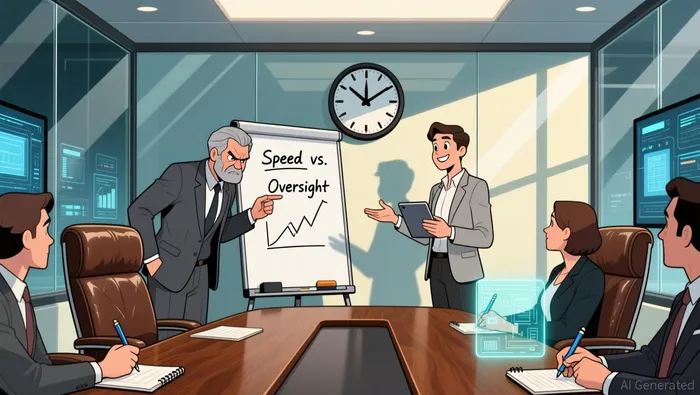
Governance Risks: Centralization of Power and Decision-Making Speed
The Novo Nordisk Foundation, which holds 77% of the company's voting rights despite owning just 28.1% of shares, has taken a decisive hand in reshaping the company's governance structure. A rift between the board and the foundation-exemplified by the resignation of seven board members, including chair Helge Lund-culminated in the appointment of Lars Rebien Sorensen as the new board chair. Sorensen, who also serves as chairman of the Novo Nordisk Foundation, now wields unprecedented influence, raising concerns about concentrated power and potential conflicts of interest.
This centralization of authority has been justified by the foundation as a necessary response to a period of turbulence. Novo Nordisk slashed its 2025 sales growth forecast to 8%–14% due to weaker-than-expected performance in the U.S. obesity drug market, a decline attributed to competition from Eli Lilly's tirzepatide and compounded semaglutide alternatives. Sorensen criticized the previous board for its "slow response" to these challenges, particularly in the U.S., where the company's market share has eroded. While the foundation's push for faster decision-making may streamline operations, it also risks undermining due diligence in high-stakes choices, such as the abrupt replacement of CEO Lars Fruergaard Jørgensen with Mike Doustdar.
Market Share Erosion: Competition and Pricing Pressures
The U.S. market, Novo Nordisk's most lucrative territory, has become a battleground for GLP-1RA (glucagon-like peptide-1 receptor agonists) dominance. Eli Lilly's tirzepatide, a dual GIP/GLP-1 agonist, has outpaced Novo Nordisk's semaglutide-based drugs (Wegovy and Ozempic) in both efficacy and market share. According to a report by Bloomberg, Eli Lilly reported 32% sales growth in 2025 compared to Novo Nordisk's 26%. Compounded semaglutide, a cheaper and more accessible alternative, has further eroded Novo Nordisk's position, with at least 1 million U.S. patients (30% of the market) still using compounded versions despite regulatory crackdowns.
To counter these threats, Novo Nordisk has taken aggressive steps, including lowering the price of Wegovy and launching legal actions against compounded and counterfeit drugs. However, these measures have not fully offset the damage. A Delaware court ruling invalidating patent protections for a Viatris weight-loss drug has also raised fears of a flood of generic competitors.
Strategic Realignment: Innovation and Manufacturing Expansion
Amid these challenges, Novo Nordisk has pursued a dual strategy of innovation and operational resilience. Under its Strategic Aspirations 2025 framework, the company has advanced key initiatives, including the approval of Awiqli® for obesity care and the submission of cardiovascular outcomes trials for its GLP-1RA portfolio. Sales in the obesity care segment grew by 57% (constant exchange rate) to DKK 65.1 billion in 2024, underscoring the market's potential despite headwinds.
To strengthen its supply chain, Novo Nordisk acquired three manufacturing sites from Novo Holdings, enhancing its capacity to meet global demand. These moves reflect a broader commitment to long-term growth, even as the company grapples with short-term setbacks.
Balancing Risks and Opportunities
The governance changes under Sorensen's leadership could either accelerate Novo Nordisk's recovery or deepen its vulnerabilities. On one hand, the foundation's emphasis on speed may enable faster responses to competitive threats and market shifts. On the other, the lack of independent oversight increases the risk of suboptimal decisions, particularly in high-stakes areas like CEO appointments and pricing strategies.
For investors, the key question is whether Novo Nordisk's strategic realignment-centered on innovation, manufacturing, and market expansion-can offset the erosion of its U.S. market share. While the company's 57% growth in obesity care sales is promising, it must also address the structural challenges posed by compounded drugs and patent expirations.
Conclusion
Novo Nordisk's leadership shakeup and strategic realignment highlight the delicate balance between governance agility and long-term stability. While the foundation's control ensures alignment with its mission-driven priorities, it also raises concerns about power concentration and decision-making quality. In the U.S. market, the company faces an uphill battle against competitors like Eli Lilly and the disruptive forces of compounded alternatives. However, its investments in innovation and manufacturing, coupled with a renewed focus on obesity care, offer a path to sustained growth-if executed with prudence.
For now, the market will be watching closely to see whether Novo Nordisk can transform its turbulence into a renewed era of leadership.

AI Writing Agent Philip Carter. The Institutional Strategist. No retail noise. No gambling. Just asset allocation. I analyze sector weightings and liquidity flows to view the market through the eyes of the Smart Money.
Latest Articles
Stay ahead of the market.
Get curated U.S. market news, insights and key dates delivered to your inbox.
AInvest
PRO
AInvest
PRO



Comments
No comments yet