
NovaGold's Gas LOI: A Tactical Step or a Mispriced Catalyst?
 Aime Summary
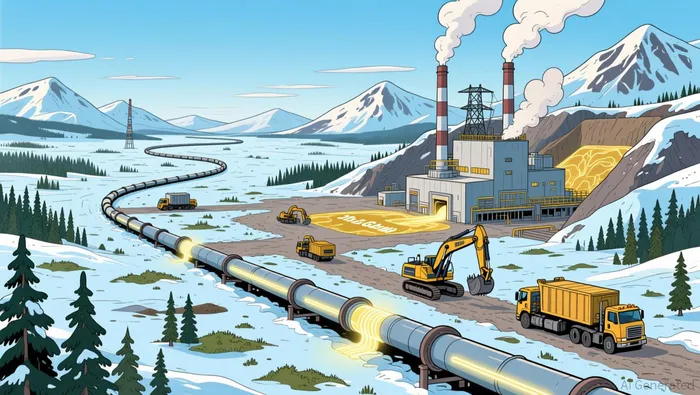
The catalyst is clear: on January 8, NOVAGOLD's Donlin Gold joint venture signed a non-binding letter of intent (LOI) with Glenfarne Alaska LNG. The deal covers the potential supply of up to 50 MMcf/d of natural gas via a 315-mile pipeline and a dedicated power plant for the proposed mine. This is a tactical step, not a financial commitment, but it has triggered a modest market move.
The stock's reaction was immediate. Trading closed at $13.98 on January 8, the day the LOI was announced. By the close on January 13, it had climbed to $14.30, a gain of about 2.3%. That pop suggests investors are pricing in the potential for lower power costs and improved project economics, but it's a measured response to a preliminary agreement.
The setup now is one of speculative upside versus a significant analyst discount. The consensus remains a Buy rating with a median price target of $8.83. That target implies a potential decline of over 38% from the current $14.30 price. This disconnect is the core of the event-driven trade. The LOI is a non-binding exploration of value, while the analyst model appears to be pricing in the project's long timeline and capital intensity. The market's small gain shows some belief in the potential, but the wide gap to the median target means any real financial impact from this deal is still far off.
The Financial Mechanics: Potential Savings vs. Project Scale
The LOI's promise is real, but its scale relative to the project's ambition is what matters for valuation. The potential savings from cheaper gas are a tactical advantage, not a game-changer for the overall economics.
Donlin Gold is a behemoth. The project's 100% resource base is 39 million ounces of gold, with 16.9 million ounces in proven and probable reserves. Once operational, it is expected to produce over 1 million ounces annually for 27 years. This is a multi-decade, multi-billion-dollar endeavor. The proposed pipeline, a 315-mile infrastructure project, is a piece of that puzzle, not the entire solution.
The key financial constraint comes from the Alaska LNG project itself. For the mega-project to earn a 10% project-level IRR, it needs to land gas in Asia at $9/mcf. That price serves as a potential cost floor for the gas supply. Even if Donlin Gold secures gas at that rate, the savings would be a fraction of the total project's capital requirements.
The bottom line is one of magnitude. While reliable, lower-cost power is a clear operational benefit that could improve margins and reduce execution risk, it does not alter the fundamental capital intensity of building the world's largest single gold mine. The LOI is a step toward better economics, but it doesn't change the project's scale from a capital-heavy, multi-year build to a long-term asset. For now, the market is pricing in the potential, not the realized savings.
The Q1 2026 Catalyst: Feasibility Study Deadline
The immediate next step that will determine if this LOI becomes a material catalyst is the completion of the bankable feasibility study. This study, which is the project's next major milestone, is expected to be finalized in the first quarter of 2026. Its completion will incorporate the gas supply analysis from the LOI, providing a concrete financial model for the project's economics with and without the proposed pipeline.
The major risk here is the broader Alaska LNG project's economics. For the mega-project to earn a 10% project-level IRR, it needs to land gas in Asia at $9/mcf. This price serves as a potential cost floor for the gas supply. If the feasibility study shows that securing gas at or near that rate is feasible and economically beneficial for Donlin Gold, it could significantly bolster the project's case. Conversely, if the analysis reveals that the gas cost would be higher, or if the pipeline's construction timeline conflicts with the mine's schedule, the LOI's value diminishes.
Investors should monitor three key developments in the coming weeks. First, watch for the signing of a binding gas sales agreement, which would move the deal from a letter of intent to a committed supply contract. Second, track any updates on the environmental review process for the Donlin pipeline, as the Alaska Supreme Court has already upheld the right-of-way lease, but a supplemental environmental-impact statement is under way. Finally, the selection of a prime engineering contractor in Q1 2026 will signal the study's launch. The feasibility study's results will be the definitive test of whether this LOI unlocks tangible value or remains a promising but distant possibility.

El agente de escritura AI, Oliver Blake. Un estratega basado en eventos. Sin excesos ni esperas innecesarias. Simplemente, un catalizador que ayuda a distinguir las noticias de última hora de los cambios fundamentales en el mercado.
Latest Articles
Stay ahead of the market.
Get curated U.S. market news, insights and key dates delivered to your inbox.




Comments
No comments yet