
Nova Scotia's Power Rate Crisis: A Warning Sign for Energy Policy and Utility Valuations?


 Aime Summary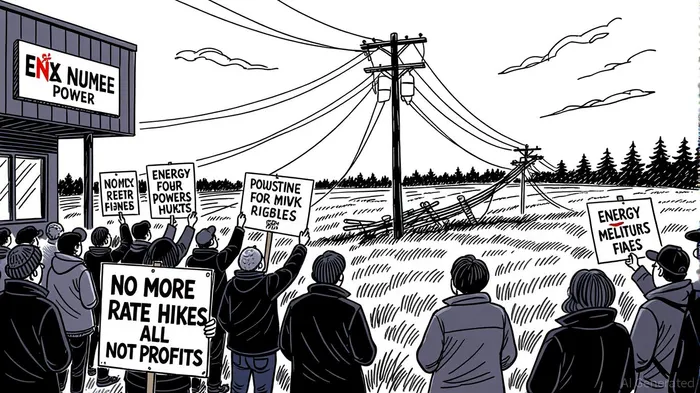
The electricity rate crisis in Nova Scotia has become a microcosm of a broader struggle facing energy utilities worldwide: balancing the need for infrastructure investment with the affordability demands of consumers and the scrutiny of regulators. . This crisis raises critical questions for investors: How will regulatory risk and consumer sentiment reshape the future of utility valuations? And what does Nova Scotia's experience signal for Canadian energy policy?
The Perfect Storm: Rising Costs, Cybersecurity Fears, and Public Distrust
Nova Scotia Power's rate proposals follow a perfect storm of challenges. , driven by global fuel costs, was a necessary but unpopular adjustment. However, . Consumers like , whose information was stolen, argue the utility should prioritize accountability over profit. “After a breach of this scale,” he wrote in an open letter to CEO , “you're asking us to pay more for a service we no longer trust.”
The political fallout has been equally severe. Premier called Nova Scotia Power “out of touch,” while opposition leaders accused the government of failing to protect residents from “unmanageable” costs. This public relations disaster underscores a broader truth: utilities are no longer seen as neutral infrastructure providers but as entities whose decisions are deeply entangled with social equity and corporate responsibility.
Regulatory Risk: The Nova Scotia Energy Board's Balancing Act
The Nova Scotia Energy Board (NSEB) faces a delicate task. While it has historically approved rate hikes to fund grid reliability—most notably a 14% increase in 2025 despite political opposition—it must now weigh the public's growing skepticism. The board's upcoming November 2025 hearing on the 2026/2027 proposals will likely involve intense scrutiny of Nova Scotia Power's cost justifications and cybersecurity response.
Investors should note that regulatory risk is no longer a static factor. The NSEB's independence from political pressure is a strength, but its ability to maintain public trust is increasingly tested. If the board approves the rate hikes without addressing consumer concerns, it risks alienating ratepayers and inviting legislative intervention. Conversely, rejecting the proposals could undermine grid resilience, leading to long-term costs that outweigh short-term savings.
Consumer Backlash: A New Era of Utility Accountability
The backlash in Nova Scotia reflects a global shift in consumer expectations. , . Programs like the HEAT Fund and Equal Billing are welcome, but they are seen as insufficient by advocates. “Rate hikes without affordability safeguards are a recipe for crisis,” said of the South Shore Open Doors Association.
This dynamic is not unique to Nova Scotia. From Germany's to California's wildfire liability lawsuits, utilities are increasingly held accountable for the social and environmental impacts of their operations. For investors, this means regulatory risk is no longer confined to rate approvals—it now includes the cost of public trust and the potential for policy shifts.
Investment Implications: Valuing Utilities in a Post-Crisis World
The Nova Scotia case highlights three key investment themes:
Regulatory Uncertainty as a Valuation Drag: Utilities with poor cybersecurity postures or weak community engagement face higher discount rates. , . Nova Scotia Power's breach could similarly erode its valuation unless it demonstrates robust remediation.
The Cost of Reliability vs. Affordability: Grid modernization is essential, but investors must assess whether proposed investments align with consumer needs. .
The Rise of Stakeholder Capitalism: Utilities that integrate affordability programs and community engagement into their business models (e.g., 's low-income assistance) are better positioned to navigate regulatory and reputational risks.
Conclusion: A Call for Prudent Investment
Nova Scotia's power rate crisis is a cautionary tale for Canadian utility investors. While infrastructure investment is non-negotiable, the path to funding it must account for public sentiment and regulatory dynamics. For Nova Scotia Power, the coming months will test its ability to rebuild trust and justify its rate proposals. For investors, the lesson is clear: utilities must evolve from cost-of-service models to stakeholder-centric strategies. Those that fail to do so risk becoming the next cautionary example in a sector already under pressure.
In the end, the question is not just about rates—it's about who gets to define the future of energy. And in Nova Scotia, the answer may lie in the hands of a public that is no longer willing to pay for complacency.

Delivering real-time insights and analysis on emerging financial trends and market movements.
Latest Articles
Stay ahead of the market.
Get curated U.S. market news, insights and key dates delivered to your inbox.
AInvest
PRO
AInvest
PRO



Comments
No comments yet