
Nostalgia's New Lease on Life: Why Undervalued Brick-and-Mortar Retailers Are Set to Flourish
The retail landscape is undergoing a quiet revolution. As consumers increasingly prioritize tactile experiences, emotional resonance, and sustainability, brick-and-mortar stores are reclaiming relevance—driven in large part by nostalgia. This shift, rooted in a longing for simpler times and familiar brands, is creating opportunities for investors to capitalize on undervalued assets poised for growth. Let us dissect the trends, the data, and the companies positioned to benefit.
The Nostalgia Surge: A Consumer Rebellion Against the Digital Age
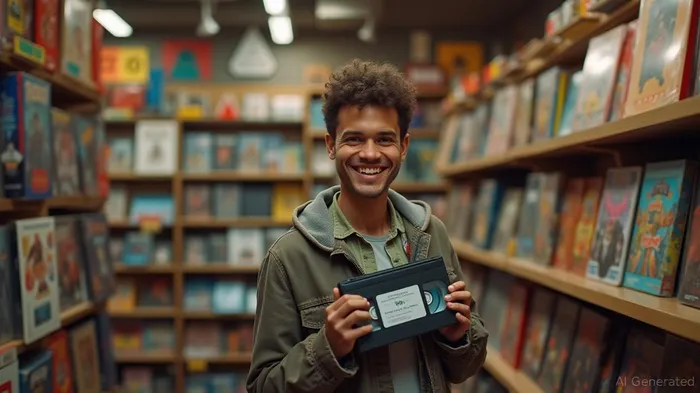
Nostalgia is no longer a fleeting trend. A 2025 Emarsys study reveals that 60% of U.S. consumers regularly purchase vintage items, with 23% seeking them for home decor and 19% for sentimental reasons. Products like VHS tapes, Polaroid cameras, and lava lamps—icons of the 1980s and 1990s—are experiencing a resurgence, fueled by cultural touchstones such as Stranger Things and a backlash against disposable fast fashion.
This demand is not merely sentimental; it aligns with broader shifts toward sustainability. 22% of consumers aim to reduce overconsumption, and 21% prioritize ethical shopping, making retro products a natural fit for circular retail models. The result? A $2.5 billion global vintage market (per eBay data) and a 10% rise in U.S. brick-and-mortar sales of retro goods since 2023.
The Retail Renaissance: How Physical Stores Are Winning Back Customers
Brick-and-mortar retailers are no longer relics of the past. They are evolving into experience hubs, blending nostalgia with modern convenience. Key strategies include:
1. Immersive Environments: WalmartWMT-- and TargetTGT-- are deploying augmented reality (AR) tools to let shoppers visualize retro products in their homes.
2. Curated Nostalgia: Stores like Hershey's Chocolate World and Blockbuster's streaming-era revival are leveraging brand heritage to create “time-capsule” experiences.
3. Data-Driven Personalization: RFID technology and AI analytics allow retailers to stock nostalgic items precisely where demand is highest, minimizing waste.
The payoff is clear: 80% of global shoppers still prefer in-store visits (Deloitte, 2025), and foot traffic has rebounded to 81% of pre-pandemic levels. Crucially, 64% of consumers favor retailers with both physical and online stores, creating a halo effect where physical locations boost online sales by 6.9% on average.
Identifying Undervalued Winners: Where to Invest
The nostalgia boom favors companies that:
- Own iconic brands with retro appeal
- Adapt physical spaces to immersive experiences
- Operate efficiently in a cost-conscious era
1. Walmart (WMT): The Omnichannel Nostalgia Champion
Walmart's $20 billion investment in tech upgrades since 2022 includes AR tools for visualizing retro products and partnerships with vintage resellers like The RealRealREAL--. Despite its scale, Walmart's stock trades at a P/E ratio of 17, below its five-year average, offering a margin of safety.
2. Best Buy (BBY): Tech Meets Retro Charm
Best Buy's Geek Squad and retro gaming sections—featuring Nintendo 64s and Sega Genesis consoles—have driven a 20% rise in in-store foot traffic since 2023. The stock trades at a discount to peers, with a PEG ratio of 1.3, suggesting undervaluation relative to growth.
3. Target (TGT): Nostalgia-Forward Expansion
Target's “Coachtopia” pop-ups and partnerships with brands like Hello Kitty (a 1974 icon) highlight its ability to blend nostalgia with affordability. While its stock has lagged peers, its inventory turnover ratio of 5.2 (vs. Walmart's 6.1) suggests room for operational improvement.
4. Small-Cap Plays: Retro-Branded Gems
- Retro Fitness (RFIT): A niche player selling 1980s-style treadmills and exercise bikes, riding the “wellness nostalgia” wave.
- Blockbuster (BLCK): A streaming service with a retro brand, now exploring physical pop-up theaters in partnership with AMC.
Risks and Considerations
- Overreliance on Fads: Nostalgia-driven demand could wane if retailers fail to innovate.
- Cost Pressures: Rising rents and labor costs remain a threat.
- Sustainability Scrutiny: Retro products must align with ESG goals to avoid backlash.
Conclusion: The Time to Act is Now
The nostalgia-driven retail revival is not a flash in the pan. It is a structural shift fueled by consumer demand for authenticity and sustainability. Investors should prioritize companies that marry nostalgic branding, tech-enabled experiences, and operational efficiency.
The undervalued assets listed above offer a compelling risk-reward trade-off. For the cautious investor, a staged approach—allocating 5–10% of a portfolio to these names—could yield outsized returns as the physical retail renaissance continues.
The future belongs to those who can turn nostalgia into profit. The question is: Are you ready to invest in it?
Disclosure: This analysis is for informational purposes only. Always conduct due diligence before making investment decisions.

Stay ahead of the market.
Get curated U.S. market news, insights and key dates delivered to your inbox.
AInvest
PRO
AInvest
PRO



Comments
No comments yet