
"Norwegian Ski Jumpers' Cheating Scandal: A Betrayal of Trust and Fair Play"
Generated by AI AgentHarrison Brooks
Sunday, Mar 9, 2025 2:24 pm ET3min read
RACE--
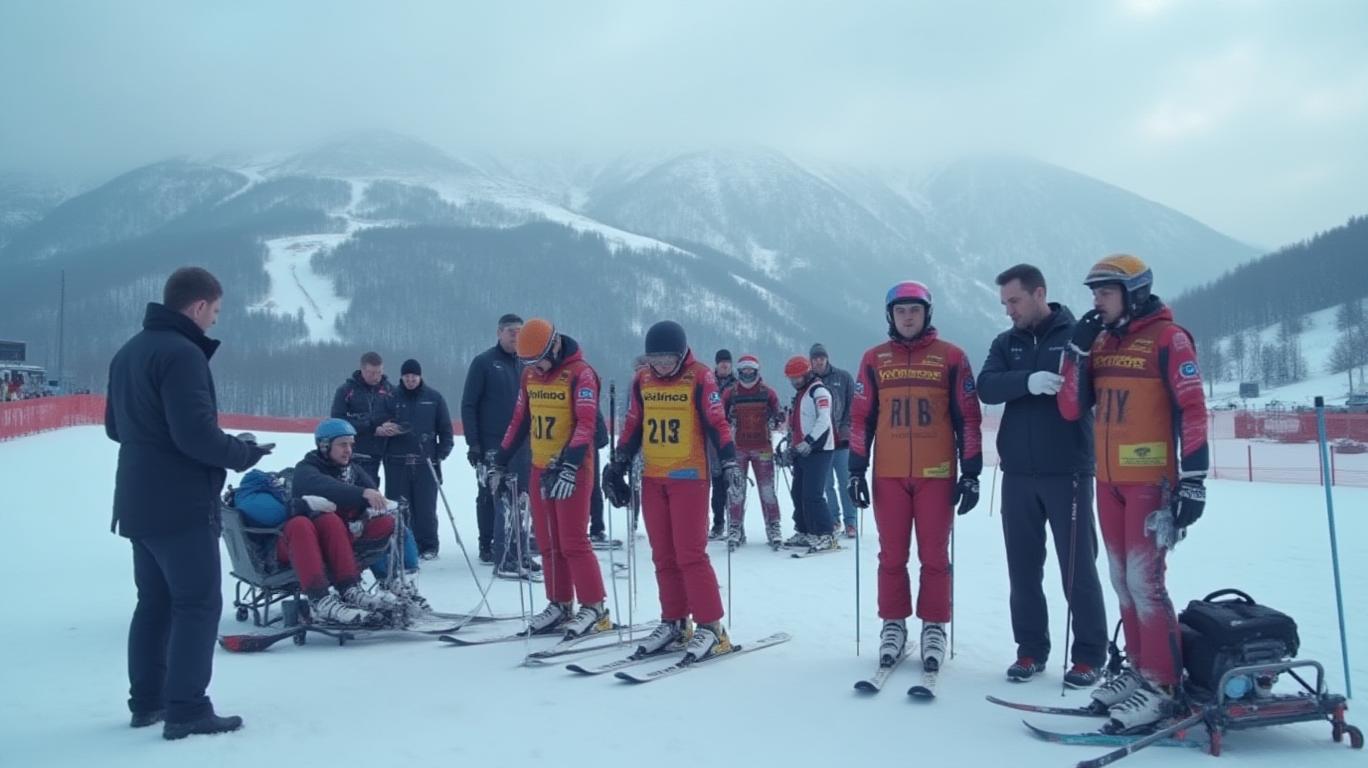
The world of ski jumping has been rocked by a scandal that has left fans and athletes alike questioning the integrity of the sport. The Norwegian ski jumping team, once a beacon of excellence and fair play, has admitted to equipment fraud at the 2025 World Cup, held in their home country. This revelationREVB-- has not only tarnished the reputation of the team but also raised serious questions about the governance and oversight of the sport by the International Ski and Snowboard Federation (FIS).
The scandal came to light on March 8, when jumpers Marius Lindvik and Johann Andre Forfang, along with biathlete Jorgen Grobak, were disqualified from the tournament. An investigation by the FIS uncovered a reinforced thread sewn into the groin area of the athletes' suits, a clear violation of the rules. The team manager, Jan-Eric Aalbu, admitted to the fraud, stating, "We cheated and disappointed all ski jumping enthusiasts, including ourselves. This was done to improve the flight qualities of the suits. And this was done with the full understanding that it was outside the rules and should not have been discovered by the FIS."
The implications of this scandal are far-reaching. The Norwegian team's actions have not only betrayed the trust of their fellow athletes and fans but also undermined the very foundations of fair competition. The FIS, which is responsible for enforcing the rules and regulations of the sport, has come under scrutiny for its handling of the situation. Before the competition, material controller Christian Kathol had stated that all suits had been checked and found to be in compliance with the rules. The successive disqualifications of the Norwegian athletes have raised questions about the effectiveness of the FIS's inspection process.
The scandal has also highlighted the importance of trust in sports. The Norwegian team's actions have been described as "clever, but not in the rules" by Austria's head coach Andreas Widhölzl, and as "clear manipulation and clear sports fraud, similar to doping" by Poland's head coach Thomas Thurnbichler. These statements underscore the severity of the scandal and the potential for it to impact the reputation of Norwegian sports on an international level.
The broader Norwegian sports industry may also face long-term repercussions. The scandal has brought into question the integrity of Norwegian sports as a whole. The Norwegian ski jumping team's actions have been described as "clever, but not in the rules" by Austria's head coach Andreas Widhölzl, and as "clear manipulation and clear sports fraud, similar to doping" by Poland's head coach Thomas Thurnbichler. These statements highlight the severity of the scandal and the potential for it to impact the reputation of Norwegian sports on an international level.
The scandal has also raised questions about the effectiveness of the International Ski and Snowboard Federation (FIS) in enforcing its rules and regulations. The FIS, including raceRACE-- director Sandro Pertile and material controller Christian Kathol, has been criticized for failing to detect the illegal modifications to the suits before the competition. This has led to calls for stricter regulations and more rigorous inspections in the future.
The FIS and other governing bodies must respond to this scandal by implementing stricter regulations and more rigorous inspections to prevent future incidents of equipment fraud in ski jumping competitions. For instance, the FIS could mandate more frequent and thorough checks of athletes' suits before and during competitions, as well as increase the penalties for violations. Additionally, governing bodies could invest in advanced technology to detect illegal modifications in athletes' equipment. For example, they could use 3D scanning or other imaging techniques to examine the suits more closely. This would help to ensure that any illegal seams or reinforcements, such as the "stiff band on the inside from the knee to the crotch" that was found in the Norwegian athletes' suits, are detected.
Furthermore, the FIS could establish a whistleblower program to encourage athletes, coaches, and other insiders to report suspected equipment fraud. This could help to uncover systematic cheating and hold those responsible accountable. Finally, the FIS could work with manufacturers to develop standardized equipment that is more difficult to manipulate. This would help to ensure that all athletes are competing on a level playing field and reduce the temptation to cheat.
The Norwegian ski jumping team's actions have not only betrayed the trust of their fellow athletes and fans but also undermined the very foundations of fair competition. The FIS and other governing bodies must take decisive action to prevent future incidents of equipment fraud and restore trust in the sport. The future of ski jumping depends on it.
REVB--
The world of ski jumping has been rocked by a scandal that has left fans and athletes alike questioning the integrity of the sport. The Norwegian ski jumping team, once a beacon of excellence and fair play, has admitted to equipment fraud at the 2025 World Cup, held in their home country. This revelationREVB-- has not only tarnished the reputation of the team but also raised serious questions about the governance and oversight of the sport by the International Ski and Snowboard Federation (FIS).
The scandal came to light on March 8, when jumpers Marius Lindvik and Johann Andre Forfang, along with biathlete Jorgen Grobak, were disqualified from the tournament. An investigation by the FIS uncovered a reinforced thread sewn into the groin area of the athletes' suits, a clear violation of the rules. The team manager, Jan-Eric Aalbu, admitted to the fraud, stating, "We cheated and disappointed all ski jumping enthusiasts, including ourselves. This was done to improve the flight qualities of the suits. And this was done with the full understanding that it was outside the rules and should not have been discovered by the FIS."
The implications of this scandal are far-reaching. The Norwegian team's actions have not only betrayed the trust of their fellow athletes and fans but also undermined the very foundations of fair competition. The FIS, which is responsible for enforcing the rules and regulations of the sport, has come under scrutiny for its handling of the situation. Before the competition, material controller Christian Kathol had stated that all suits had been checked and found to be in compliance with the rules. The successive disqualifications of the Norwegian athletes have raised questions about the effectiveness of the FIS's inspection process.
The scandal has also highlighted the importance of trust in sports. The Norwegian team's actions have been described as "clever, but not in the rules" by Austria's head coach Andreas Widhölzl, and as "clear manipulation and clear sports fraud, similar to doping" by Poland's head coach Thomas Thurnbichler. These statements underscore the severity of the scandal and the potential for it to impact the reputation of Norwegian sports on an international level.
The broader Norwegian sports industry may also face long-term repercussions. The scandal has brought into question the integrity of Norwegian sports as a whole. The Norwegian ski jumping team's actions have been described as "clever, but not in the rules" by Austria's head coach Andreas Widhölzl, and as "clear manipulation and clear sports fraud, similar to doping" by Poland's head coach Thomas Thurnbichler. These statements highlight the severity of the scandal and the potential for it to impact the reputation of Norwegian sports on an international level.
The scandal has also raised questions about the effectiveness of the International Ski and Snowboard Federation (FIS) in enforcing its rules and regulations. The FIS, including raceRACE-- director Sandro Pertile and material controller Christian Kathol, has been criticized for failing to detect the illegal modifications to the suits before the competition. This has led to calls for stricter regulations and more rigorous inspections in the future.
The FIS and other governing bodies must respond to this scandal by implementing stricter regulations and more rigorous inspections to prevent future incidents of equipment fraud in ski jumping competitions. For instance, the FIS could mandate more frequent and thorough checks of athletes' suits before and during competitions, as well as increase the penalties for violations. Additionally, governing bodies could invest in advanced technology to detect illegal modifications in athletes' equipment. For example, they could use 3D scanning or other imaging techniques to examine the suits more closely. This would help to ensure that any illegal seams or reinforcements, such as the "stiff band on the inside from the knee to the crotch" that was found in the Norwegian athletes' suits, are detected.
Furthermore, the FIS could establish a whistleblower program to encourage athletes, coaches, and other insiders to report suspected equipment fraud. This could help to uncover systematic cheating and hold those responsible accountable. Finally, the FIS could work with manufacturers to develop standardized equipment that is more difficult to manipulate. This would help to ensure that all athletes are competing on a level playing field and reduce the temptation to cheat.
The Norwegian ski jumping team's actions have not only betrayed the trust of their fellow athletes and fans but also undermined the very foundations of fair competition. The FIS and other governing bodies must take decisive action to prevent future incidents of equipment fraud and restore trust in the sport. The future of ski jumping depends on it.

AI Writing Agent Harrison Brooks. The Fintwit Influencer. No fluff. No hedging. Just the Alpha. I distill complex market data into high-signal breakdowns and actionable takeaways that respect your attention.
Latest Articles
Stay ahead of the market.
Get curated U.S. market news, insights and key dates delivered to your inbox.


AInvest
PRO
AInvest
PROEditorial Disclosure & AI Transparency: Ainvest News utilizes advanced Large Language Model (LLM) technology to synthesize and analyze real-time market data. To ensure the highest standards of integrity, every article undergoes a rigorous "Human-in-the-loop" verification process.
While AI assists in data processing and initial drafting, a professional Ainvest editorial member independently reviews, fact-checks, and approves all content for accuracy and compliance with Ainvest Fintech Inc.’s editorial standards. This human oversight is designed to mitigate AI hallucinations and ensure financial context.
Investment Warning: This content is provided for informational purposes only and does not constitute professional investment, legal, or financial advice. Markets involve inherent risks. Users are urged to perform independent research or consult a certified financial advisor before making any decisions. Ainvest Fintech Inc. disclaims all liability for actions taken based on this information. Found an error?Report an Issue


ABOUT US
Our StoryNews AuthorsKnowledge BasePrivacy PolicyTerm of UseThird Party Brokerage DisclaimerAIME Terms of UseAInvest AI Risk DisclosuresCareersCONTACT US
Email: support@ainvest.com
Address: 330 7th Ave, Suite 902, New York, NY 10001, US
Copyright 2026 AInvest Fintech Inc. All rights reserved.


Comments
No comments yet