
Norway Temporarily Bans New Crypto Mining Operations to Conserve Electricity
ByAinvest
Friday, Jun 20, 2025 11:27 am ET2min read
HUT--
Norway's popularity as a crypto mining hub stems from its abundant and cheap hydropower. However, the high energy consumption of mining operations has sparked public concern, particularly over noise pollution and the impact on electricity bills. In late 2024, residents in the Hadsel municipality successfully pushed to shut down a local mining facility due to excessive noise, highlighting the challenges faced by mining operations in Norway [1].
The ban, which is expected to take effect in autumn 2025, will raise operational costs for existing miners and deter new entrants. This shift from subsidizing crypto mining to restricting it will make it more difficult for crypto mining firms to scale operations in Norway. The discontinuation of reduced electricity taxes for data centers in 2023 has already strained margins, and the new ban eliminates the possibility of scaling operations [2].
For investors in crypto mining firms, the risks are clear: stranded assets, higher energy costs, and forced relocations to countries like Iceland, Canada, or the U.S., where energy policies remain more crypto-friendly. Companies such as Hut 8 Mining (HUT) or Marathon Digital Holdings (MARA) could see reduced growth opportunities in Norway, pushing them to seek alternatives [2].
The ban could also accelerate the shift from energy-intensive proof-of-work (PoW) consensus mechanisms to energy-efficient alternatives like proof-of-stake (PoS). As miners face higher costs, blockchain developers and infrastructure providers stand to gain. Companies like Polygon (MATIC) or Solana (SOL), which operate on PoS, could see increased adoption, particularly in sectors prioritizing sustainability [2].
Norway's renewable energy surplus remains a strategic asset. Hydropower accounts for over 90% of the country's electricity generation, creating a foundation for green energy projects that could attract investment. Infrastructure firms like Statkraft, Norway's largest renewable energy producer, or Norsk Hydro, which manages aluminum smelting powered by hydropower, may benefit as the government redirects energy to priority industries [2].
While the ban targets crypto mining, Norway's renewable energy surplus remains a strategic asset. Hydropower accounts for over 90% of the country's electricity generation, creating a foundation for green energy projects that could attract investment. Infrastructure firms like Statkraft, Norway's largest renewable energy producer, or Norsk Hydro, which manages aluminum smelting powered by hydropower, may benefit as the government redirects energy to priority industries [2].
For investors wary of regulatory volatility in crypto, neighboring Nordic nations offer alternatives. Iceland, with its geothermal energy, and Sweden, with its digital-first policies, may become crypto mining hubs. Meanwhile, Denmark's focus on wind energy and Estonia's digital governance could position them as testbeds for blockchain applications [2].
Norway's crypto mining ban presents a clear roadmap for capital allocation. Investors should avoid overexposure to PoW crypto mining firms reliant on cheap energy in Norway, invest in energy-efficient blockchain tech, back Nordic renewable infrastructure, and monitor regulatory trends [2].
References:
[1] https://cryptobriefing.com/norway-bitcoin-mining-restrictions/
[2] https://www.ainvest.com/news/norway-crypto-mining-ban-crossroads-renewable-energy-tech-investment-2506/
MARA--
MATIC--
MBBC--
SOL--
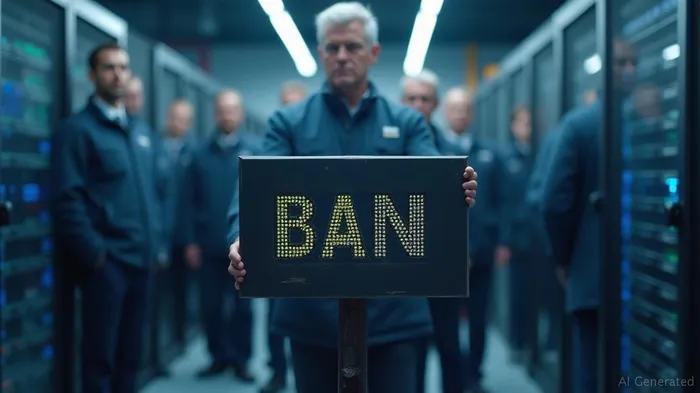
Norway has temporarily banned new crypto mining data centers to conserve electricity. The ban, which takes effect in August, aims to curb the significant energy consumption associated with mining activities. Norway has become a hub for crypto mining due to its cheap and abundant electricity, but the government believes mining operations do not significantly contribute to the local economy and job creation.
Norway has announced a temporary ban on new crypto mining data centers, effective from August 2025. This decision aims to conserve electricity, which has become increasingly scarce amid growing demand and the country's transition to green energy. The ban, which targets the most power-intensive mining technologies, is part of Norway's broader strategy to prioritize other sectors that rely on electricity.Norway's popularity as a crypto mining hub stems from its abundant and cheap hydropower. However, the high energy consumption of mining operations has sparked public concern, particularly over noise pollution and the impact on electricity bills. In late 2024, residents in the Hadsel municipality successfully pushed to shut down a local mining facility due to excessive noise, highlighting the challenges faced by mining operations in Norway [1].
The ban, which is expected to take effect in autumn 2025, will raise operational costs for existing miners and deter new entrants. This shift from subsidizing crypto mining to restricting it will make it more difficult for crypto mining firms to scale operations in Norway. The discontinuation of reduced electricity taxes for data centers in 2023 has already strained margins, and the new ban eliminates the possibility of scaling operations [2].
For investors in crypto mining firms, the risks are clear: stranded assets, higher energy costs, and forced relocations to countries like Iceland, Canada, or the U.S., where energy policies remain more crypto-friendly. Companies such as Hut 8 Mining (HUT) or Marathon Digital Holdings (MARA) could see reduced growth opportunities in Norway, pushing them to seek alternatives [2].
The ban could also accelerate the shift from energy-intensive proof-of-work (PoW) consensus mechanisms to energy-efficient alternatives like proof-of-stake (PoS). As miners face higher costs, blockchain developers and infrastructure providers stand to gain. Companies like Polygon (MATIC) or Solana (SOL), which operate on PoS, could see increased adoption, particularly in sectors prioritizing sustainability [2].
Norway's renewable energy surplus remains a strategic asset. Hydropower accounts for over 90% of the country's electricity generation, creating a foundation for green energy projects that could attract investment. Infrastructure firms like Statkraft, Norway's largest renewable energy producer, or Norsk Hydro, which manages aluminum smelting powered by hydropower, may benefit as the government redirects energy to priority industries [2].
While the ban targets crypto mining, Norway's renewable energy surplus remains a strategic asset. Hydropower accounts for over 90% of the country's electricity generation, creating a foundation for green energy projects that could attract investment. Infrastructure firms like Statkraft, Norway's largest renewable energy producer, or Norsk Hydro, which manages aluminum smelting powered by hydropower, may benefit as the government redirects energy to priority industries [2].
For investors wary of regulatory volatility in crypto, neighboring Nordic nations offer alternatives. Iceland, with its geothermal energy, and Sweden, with its digital-first policies, may become crypto mining hubs. Meanwhile, Denmark's focus on wind energy and Estonia's digital governance could position them as testbeds for blockchain applications [2].
Norway's crypto mining ban presents a clear roadmap for capital allocation. Investors should avoid overexposure to PoW crypto mining firms reliant on cheap energy in Norway, invest in energy-efficient blockchain tech, back Nordic renewable infrastructure, and monitor regulatory trends [2].
References:
[1] https://cryptobriefing.com/norway-bitcoin-mining-restrictions/
[2] https://www.ainvest.com/news/norway-crypto-mining-ban-crossroads-renewable-energy-tech-investment-2506/
Stay ahead of the market.
Get curated U.S. market news, insights and key dates delivered to your inbox.
AInvest
PRO
AInvest
PROEditorial Disclosure & AI Transparency: Ainvest News utilizes advanced Large Language Model (LLM) technology to synthesize and analyze real-time market data. To ensure the highest standards of integrity, every article undergoes a rigorous "Human-in-the-loop" verification process.
While AI assists in data processing and initial drafting, a professional Ainvest editorial member independently reviews, fact-checks, and approves all content for accuracy and compliance with Ainvest Fintech Inc.’s editorial standards. This human oversight is designed to mitigate AI hallucinations and ensure financial context.
Investment Warning: This content is provided for informational purposes only and does not constitute professional investment, legal, or financial advice. Markets involve inherent risks. Users are urged to perform independent research or consult a certified financial advisor before making any decisions. Ainvest Fintech Inc. disclaims all liability for actions taken based on this information. Found an error?Report an Issue




Comments
No comments yet