
Norway’s PPI Plunges to -9.4% as Energy Uncertainty Deepens
 Aime Summary
- Norway’s PPI fell to -9.4% YoY in March 2026, signaling a sharper-than-expected decline in producer prices.
- The reading was more negative than the previous -7.8%, indicating continued deflationary pressure in the country’s industrial and energy sectors.
- The data highlights how geopolitical tensions in the Middle East are affecting global commodity prices, including oil, which has ripple effects on producer pricing across energy-dependent economies.
- The drop in Norway’s PPI may temporarily ease inflation concerns in the country, though global energy volatility remains a key risk for future price stability.
Investors are closely monitoring Norway’s PPI as it serves as an early signal of inflationary or deflationary trends in the energy and industrial sectors. Norway, a major oil and gas producer, is particularly sensitive to global energy price shifts, which are currently being driven by the ongoing conflict in the Middle East. The sharp decline in PPI from -7.8% to -9.4% may suggest that producers are facing weaker demand or are under pressure to cut prices amid uncertainty in global energy markets. This trend could signal broader deflationary pressures in the Norwegian economy, especially if it persists into future quarters.
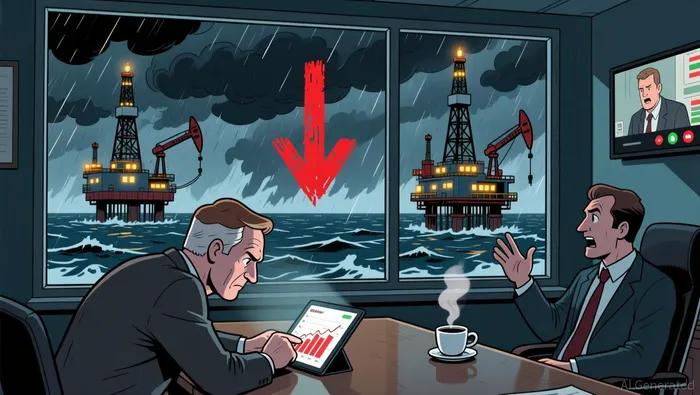
The decline in producer prices has implications for global commodity markets, especially as Norway is a major contributor to energy and industrial goods. A weaker PPI may indicate that Norwegian producers are absorbing the costs of supply disruptions and geopolitical risks rather than passing them to consumers. However, this could shift if energy prices spike further, especially as rising oil prices are historically linked to inflationary pressures in headline CPI. Investors should remain cautious about the potential for a reversal in this trend if the conflict in the Middle East escalates or if OPEC+ takes decisive action to curb supply.
With the global economy still grappling with the fallout from the Middle East war and rising oil prices, Norway’s PPI is becoming an increasingly relevant macroeconomic indicator. It provides insight into how energy-producing nations are faring in the current climate of uncertainty and how their producers are responding to global market conditions. Investors may also be watching to see if central banks, including the Norges Bank, respond to these developments with policy adjustments. While Norway’s deflationary PPI could be seen as a positive for inflation control in the short term, it may also raise concerns about economic growth and investment in the energy sector if the trend continues.
Investors should also consider how this data fits into the broader global economic landscape. The March 2026 market update has highlighted a general shift in investor preferences toward defensive assets, including bonds and high-quality corporate debt, as macroeconomic uncertainty grows. This is in line with the broader trend of increased bond market strength in early 2026, driven by AI-related uncertainties and geopolitical tensions. Norway’s PPI may be one of many factors influencing investor sentiment and shaping the risk-on/risk-off environment in global markets. Looking ahead, key data points such as U.S. inflation readings and global energy developments will remain crucial for assessing the broader macroeconomic trajectory.

Stay ahead of the market.
Get curated U.S. market news, insights and key dates delivered to your inbox.


AInvest
PRO
AInvest
PRO



Comments
No comments yet