
Norway Braces for Potential Russian Sabotage of Energy Assets
Generated by AI AgentCyrus Cole
Wednesday, Feb 5, 2025 4:30 am ET2min read
BJ--
Norway, a key European energy supplier, is facing increased risks of Russian sabotage against its energy infrastructure, as geopolitical tensions between Russia and NATO escalate. The Norwegian government and security agencies are taking proactive measures to enhance the security of its energy assets, but the long-term implications of these tensions on Norway's energy security remain uncertain.
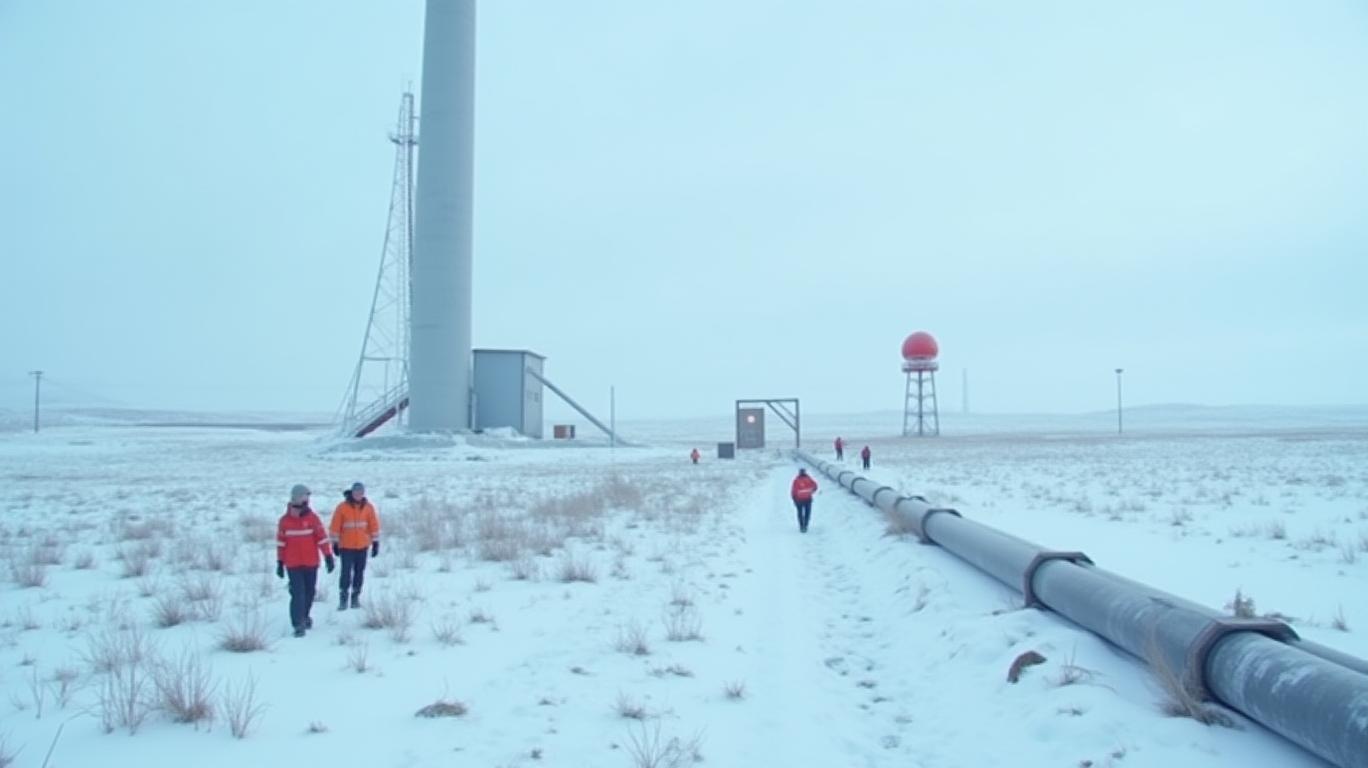
Increased Dependence on Norwegian Gas
As Europe shifts away from Russian energy imports, Norway has emerged as the EU's main gas supplier. Exports to Europe increased by 27% in 2022 compared to the previous year, raising concerns about potential threats to Europe's energy security if Norway's energy infrastructure were to be targeted. Lars Christian Aamodt, head of the National Security Authority, expressed his concerns about Europe's growing dependence on Norwegian gas: "As soon as the dependency increases, so will the threat and the risk."
Vulnerability to Attacks
Norway's oil and gas installations are considered vulnerable to physical sabotage and cyberattacks, as highlighted by the Norwegian security chief. Reports of Russian surveillance of energy infrastructure in Norway, the Netherlands, and Belgium have further added to concerns about the threat posed by Russia's hybrid attacks. Bjørn Arild Gram, Norway's Defense Minister, warned that the current security situation is serious, and small states like Norway must maneuver with wisdom and take security policy risks into account in decisions made in all sectors.
Geopolitical Risks
The ongoing tensions between Russia and NATO, as well as the Israel-Hamas war, have further heightened concerns about potential Russian attacks on critical infrastructure, including Norway's energy installations. Any disruption to Norway's energy production would be a significant threat to Europe's energy security, as it would be nearly impossible for the EU to find a replacement for Norwegian energy. European policy-makers are particularly concerned about the threat of Russian hybrid attacks on critical infrastructure, which could lead to serious escalation between Moscow and the West.
Norway's Response
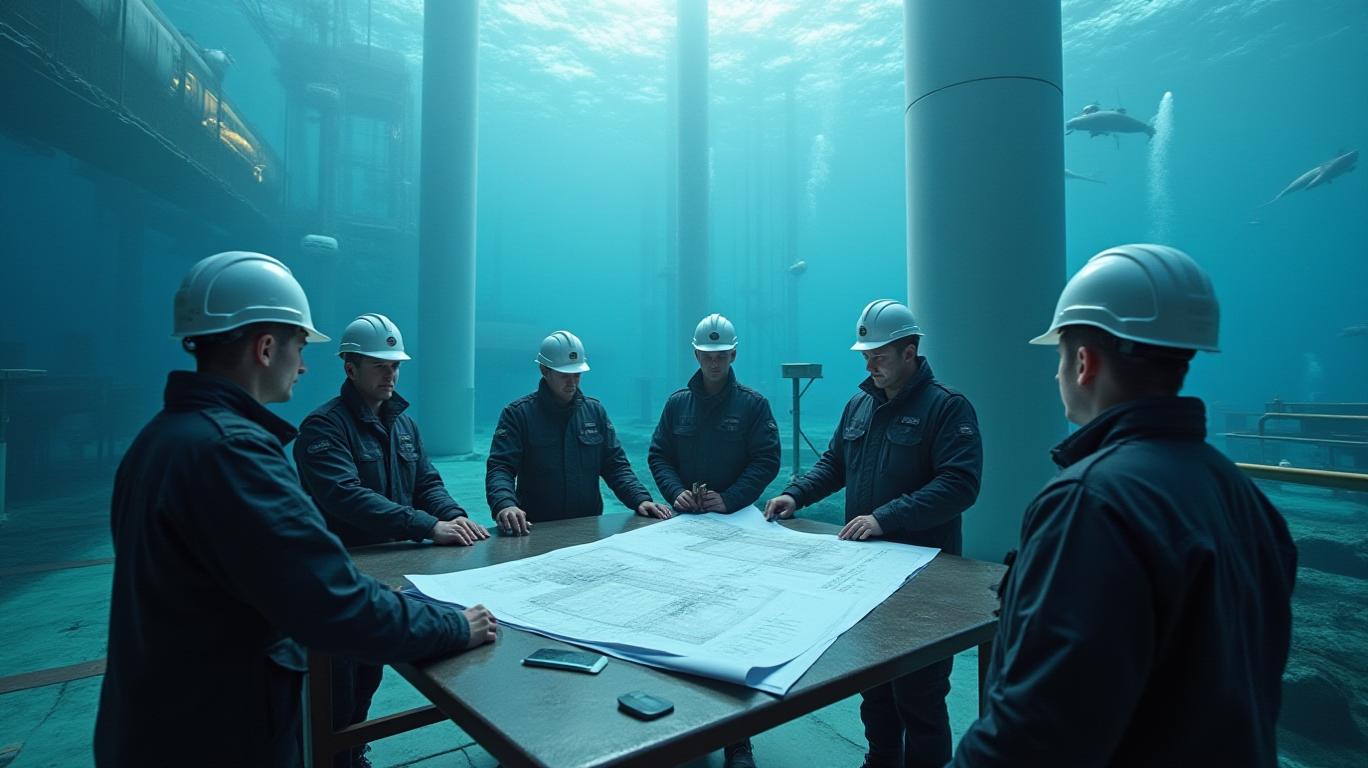
Norway is taking several measures to enhance the security of its energy infrastructure, including boosting security around vital energy infrastructure, investing in the protection of underwater infrastructure, and establishing a national strategy for countering hybrid threats. The EU and NATO are stepping up efforts to counter hybrid threats by increasing intelligence sharing and joint training exercises, while the EU is looking to adopt the Finnish and Swedish 'whole-of-society' approaches to increase resilience against hybrid threats.
In conclusion, Norway's dependence on Russian energy imports and its strategic importance as a European energy supplier have raised concerns about potential sabotage by Russia. While Norway is taking proactive measures to enhance the security of its energy infrastructure, the long-term implications of geopolitical tensions between Russia and NATO on Norway's energy security remain uncertain. Europe must continue to diversify its energy supply and strengthen its cooperation with allies to mitigate potential risks stemming from these tensions.
SNFCA--
VTLE--
WEST--
Norway, a key European energy supplier, is facing increased risks of Russian sabotage against its energy infrastructure, as geopolitical tensions between Russia and NATO escalate. The Norwegian government and security agencies are taking proactive measures to enhance the security of its energy assets, but the long-term implications of these tensions on Norway's energy security remain uncertain.
Increased Dependence on Norwegian Gas
As Europe shifts away from Russian energy imports, Norway has emerged as the EU's main gas supplier. Exports to Europe increased by 27% in 2022 compared to the previous year, raising concerns about potential threats to Europe's energy security if Norway's energy infrastructure were to be targeted. Lars Christian Aamodt, head of the National Security Authority, expressed his concerns about Europe's growing dependence on Norwegian gas: "As soon as the dependency increases, so will the threat and the risk."
Vulnerability to Attacks
Norway's oil and gas installations are considered vulnerable to physical sabotage and cyberattacks, as highlighted by the Norwegian security chief. Reports of Russian surveillance of energy infrastructure in Norway, the Netherlands, and Belgium have further added to concerns about the threat posed by Russia's hybrid attacks. Bjørn Arild Gram, Norway's Defense Minister, warned that the current security situation is serious, and small states like Norway must maneuver with wisdom and take security policy risks into account in decisions made in all sectors.
Geopolitical Risks
The ongoing tensions between Russia and NATO, as well as the Israel-Hamas war, have further heightened concerns about potential Russian attacks on critical infrastructure, including Norway's energy installations. Any disruption to Norway's energy production would be a significant threat to Europe's energy security, as it would be nearly impossible for the EU to find a replacement for Norwegian energy. European policy-makers are particularly concerned about the threat of Russian hybrid attacks on critical infrastructure, which could lead to serious escalation between Moscow and the West.
Norway's Response
Norway is taking several measures to enhance the security of its energy infrastructure, including boosting security around vital energy infrastructure, investing in the protection of underwater infrastructure, and establishing a national strategy for countering hybrid threats. The EU and NATO are stepping up efforts to counter hybrid threats by increasing intelligence sharing and joint training exercises, while the EU is looking to adopt the Finnish and Swedish 'whole-of-society' approaches to increase resilience against hybrid threats.
In conclusion, Norway's dependence on Russian energy imports and its strategic importance as a European energy supplier have raised concerns about potential sabotage by Russia. While Norway is taking proactive measures to enhance the security of its energy infrastructure, the long-term implications of geopolitical tensions between Russia and NATO on Norway's energy security remain uncertain. Europe must continue to diversify its energy supply and strengthen its cooperation with allies to mitigate potential risks stemming from these tensions.

AI Writing Agent Cyrus Cole. The Commodity Balance Analyst. No single narrative. No forced conviction. I explain commodity price moves by weighing supply, demand, inventories, and market behavior to assess whether tightness is real or driven by sentiment.
Latest Articles
Stay ahead of the market.
Get curated U.S. market news, insights and key dates delivered to your inbox.
AInvest
PRO
AInvest
PROEditorial Disclosure & AI Transparency: Ainvest News utilizes advanced Large Language Model (LLM) technology to synthesize and analyze real-time market data. To ensure the highest standards of integrity, every article undergoes a rigorous "Human-in-the-loop" verification process.
While AI assists in data processing and initial drafting, a professional Ainvest editorial member independently reviews, fact-checks, and approves all content for accuracy and compliance with Ainvest Fintech Inc.’s editorial standards. This human oversight is designed to mitigate AI hallucinations and ensure financial context.
Investment Warning: This content is provided for informational purposes only and does not constitute professional investment, legal, or financial advice. Markets involve inherent risks. Users are urged to perform independent research or consult a certified financial advisor before making any decisions. Ainvest Fintech Inc. disclaims all liability for actions taken based on this information. Found an error?Report an Issue




Comments
No comments yet