
Northwestern University Pilots Free Shuttle To Boost Evanston Economy
 Aime Summary
Northwestern University is doubling down on its commitment to local economic vitality with the introduction of a new transit initiative designed to bridge the gap between campus life and the surrounding Evanston community. Starting this spring, the institution is deploying a free shuttle service that allows students, faculty, and residents to seamlessly access local businesses without the hassle of parking or driving. This move represents a tangible shift in how major educational entities engage with their host cities, prioritizing foot traffic and small business support over traditional transportation models.
The program, titled "Hop Around Evanston," is a collaborative effort between the university and the Evanston Chamber of Commerce, highlighting a unified front in regional development. By removing cost and logistical barriers to movement, the university aims to create a more vibrant ecosystem where academic and commercial interests intersect. For observers of the higher education sector, this pilot offers a case study in how institutions can directly influence local market dynamics through operational decisions.
What is the scope and purpose of the new Northwestern University shuttle program?
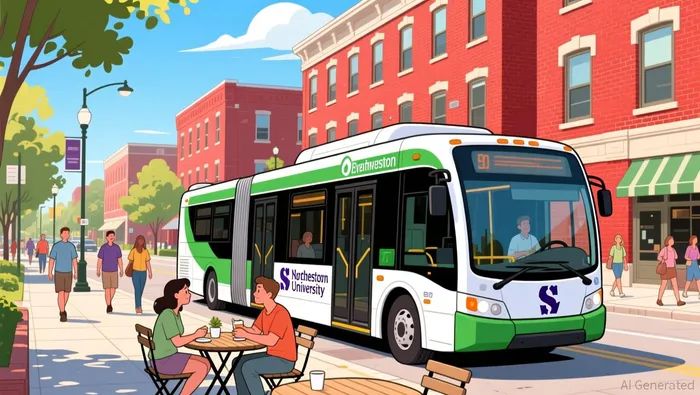
The core of this initiative is a free shuttle service that operates on weekends, . The route is designed as a comprehensive loop, stretching from Central Street in the north down to Howard Street, with east-west connections along Chicago Avenue and Dodge Avenue. This geographic coverage ensures that riders can easily access the heart of Evanston's commercial district, including the bustling Central and Main Streets known for their concentration of restaurants, pubs, and galleries.
Utilizing the university's existing hybrid electric bus fleet, the program aligns with broader sustainability goals while delivering immediate economic benefits. The service is open to a wide demographic, including students, faculty, staff, and general visitors, ensuring that the economic boost extends beyond the immediate university population. , the director of community relations at Northwestern, noted that the arrival of warmer weather presents a unique opportunity to encourage exploration of neighborhoods and support for small businesses. The shuttle serves as a catalyst for local spending, effectively funneling potential revenue from the campus into the independent shops and eateries that define the city's character.
How does this initiative impact the local economic landscape and community relations?
The launch of "Hop Around Evanston" is not merely a logistical upgrade but a strategic maneuver to strengthen the university's role as an economic anchor. By providing free transit, Northwestern removes a significant friction point for consumers, making it more likely that students and residents will visit local establishments. This is particularly relevant for the hospitality and retail sectors, which often rely on consistent foot traffic to sustain operations. The partnership with the Evanston Chamber of Commerce further cements this relationship, signaling a formalized commitment to mutual prosperity.
For the broader community, the initiative addresses common pain points regarding parking scarcity and traffic congestion in downtown Evanston. By consolidating transportation into a single, efficient loop, the university reduces the environmental footprint of daily commutes while simultaneously boosting local commerce. The use of hybrid electric vehicles underscores a commitment to green initiatives, which can enhance the university's brand equity among environmentally conscious stakeholders. This dual focus on economic stimulation and sustainability creates a positive narrative that benefits the institution's public image and its standing within the community.
What are the key takeaways for understanding Northwestern's community strategy?
The pilot program demonstrates a proactive approach to community engagement, moving beyond traditional charitable donations to active participation in local economic loops. By investing in infrastructure that directly benefits local businesses, Northwestern is fostering a symbiotic relationship that could yield long-term stability and goodwill. The specific targeting of weekend hours suggests a focus on leisure and social spending, which are critical drivers for the local hospitality industry.
Looking ahead, the success of this pilot will likely inform future transportation and community investment strategies. If the program meets its ridership and economic impact targets, it could serve as a model for other universities seeking to deepen their integration with host cities. For now, the focus remains on the immediate execution of the service and the tangible results it generates for Evanston's vibrant commercial corridor. The initiative stands as a clear example of how educational institutions can leverage their resources to drive localized growth and community cohesion.

Stay ahead of the market.
Get curated U.S. market news, insights and key dates delivered to your inbox.


AInvest
PRO
AInvest
PRO



Comments
No comments yet