
North Pole Logistics: Quantum Optimization and Inflation Reshape Holiday Business
 Aime Summary
- Quantum computing could optimize complex holiday supply chains through advanced route planning and inventory management according to research.
- Inflation pressures are reducing consumer spending power during the critical holiday season as data shows.
- Hybrid quantum systems show promise for retail personalization and workforce scheduling during peak demand based on industry reports.
The North Pole's legendary holiday logistics face modern challenges from inflation and technological disruption. Quantum computingQUBT-- offers new optimization tools for supply chains resembling Santa's complex operations according to experts. Meanwhile, persistent price pressures force consumers to tighten budgets, as polling indicates. These shifts create both obstacles and opportunities for retailers navigating the festive season.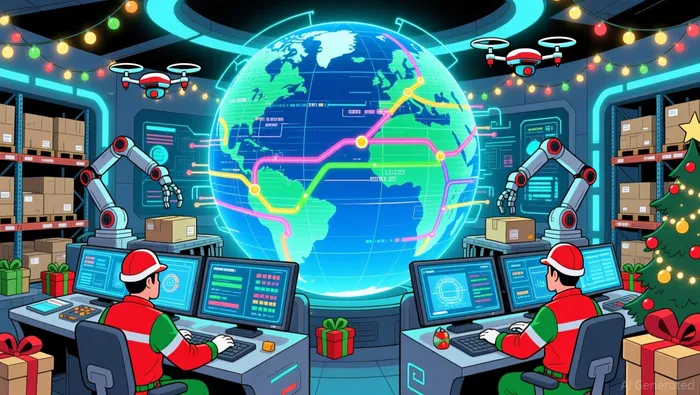
How Is Quantum Computing Transforming North Pole-Style Logistics?
Quantum technologies could revolutionize holiday supply chain management. Hybrid quantum-classical systems process countless variables simultaneously, optimizing delivery routes and inventory flows. This approach enables dynamic balancing of supplier networks to prevent shortages during peak demand periods. By scanning all possible route combinations, quantum algorithms may reduce last-mile delivery costs across transportation fleets. That capability matters for operations scaling to North Pole-level complexity.
Early implementations focus on practical efficiency gains. Quantum optimization enhances fuel efficiency and resource allocation across distribution networks according to industry analysis. These systems analyze weather disruptions, traffic patterns, and inventory constraints faster than conventional methods. For instance, logistics companies already test quantum tools to address parts shortages during high-volume seasons. Although full quantum advantage remains distant, incremental improvements show potential for future holiday cycles.
Can Quantum Innovation Enhance the North Pole Retail Experience?
Retailers explore quantum applications beyond pure logistics. Workforce scheduling emerges as a key use case. Quantum-enhanced systems optimize staff allocation against fluctuating customer traffic patterns. This balancing act could reduce operational costs while improving in-store service during peak shopping windows. The technology handles complex constraints like employee availability and skill matching.
Personalization represents another frontier for quantum adoption. Quantum algorithms process consumer data patterns. Such rapid analysis enables real-time inventory adjustments based on emerging trends. Dynamic pricing models also leverage quantum optimization to balance demand and profit margins according to industry analysis. These innovations target the hyper-competitive holiday retail environment where personalization drives conversions.
Why Is Inflation Straining North Pole Holiday Spending?
Consumer budgets face significant pressure this festive season. Recent polling shows 53% of households report reduced affordability for basic necessities, forcing spending cuts. Nearly one-third have explicitly reduced holiday purchases due to persistent price increases. Essential costs like groceries and gas consume larger budget portions, leaving less room for discretionary gifts. This trend directly impacts retailers relying on fourth-quarter sales surges.
Regional economic factors amplify these pressures. Agriculture-dependent areas show particular sensitivity to tariff impacts on food prices as data shows. Approximately 56% express concern about trade policies affecting local economies and spending capacity. Despite financial constraints, half of consumers prioritize supporting community businesses. The spending pullback creates measurable headwinds for seasonal retail performance across multiple markets.
Investment strategies adapt to these holiday dynamics. Options trading provides leveraged exposure to retail stocks with controlled risk during volatile periods. Out-of-the-money calls require minimal capital while offering upside if seasonal momentum lifts shares. This approach appeals given current valuation barriers in consumer sectors. Businesses must navigate both technological transformation and economic realities to maintain their North Pole magic.

Stay ahead of the market.
Get curated U.S. market news, insights and key dates delivered to your inbox.




Comments
No comments yet