
North Korean Cyberattacks and DeFi Lawsuits Highlight Crypto Industry Vulnerabilities
 Aime Summary
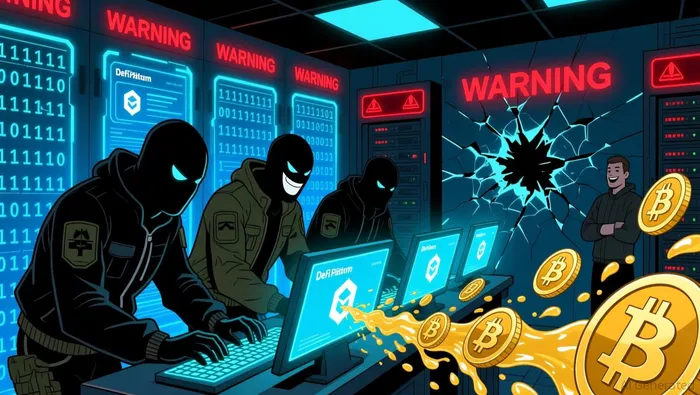
North Korean cybercriminals stole $2.02 billion in cryptocurrency in 2025, a 51% increase from the previous year. The bulk of these attacks targeted decentralized finance (DeFi) platforms and major exchanges. This rise in stolen funds occurred despite a decline in the number of attacks, as hackers shifted toward fewer but more valuable targets.
Meanwhile, DeFi Technologies Inc.DEFT-- (NASDAQ: DEFT) faces multiple class action lawsuits over alleged misleading statements and omissions concerning its DeFi arbitrage strategy. According to legal claims, shareholders who purchased shares during a specified period are urged to seek lead plaintiff status in the ongoing litigation. Investors are advised to contact legal counsel for information about their rights.
South Korea is taking steps to bolster its position in the global crypto market by introducing bitcoinBTC-- spot ETFs, following the U.S. and Hong Kong. The Financial Services Commission (FSC) plans to regulate stablecoins and digitize public funds using blockchain by 2030.
Why Did This Happen?
North Korean hackers are increasingly sophisticated, with a focus on exploiting weaknesses in DeFi protocols and exchanges. These attacks allow the regime to bypass economic sanctions and fund state operations. The increase in stolen funds indicates a shift in tactics, as hackers pursue fewer but higher-value targets.
DeFi Technologies, on the other hand, is alleged to have understated competition and delayed its DeFi arbitrage strategy. The lawsuits claim this misled investors about the company's financial health and future prospects.
What Are Analysts Watching Next?
Regulators are expected to impose stricter security requirements on crypto platforms to address the rising threat of cyberattacks. South Korea's Digital Asset Act, which includes 100% reserve backing for stablecoins, may serve as a model for other jurisdictions.
Investors are also watching closely how DeFi Technologies resolves its legal challenges. The company's ability to execute its business strategy will be key to regaining investor confidence.
The introduction of bitcoin ETFs in South Korea adds another layer of complexity. The country's Financial Services Commission has cited the U.S. and Hong Kong as examples of successful models. This move may attract more institutional investment and increase the legitimacy of crypto assets.
What Are the Broader Implications?
The surge in North Korean cyberattacks highlights the need for stronger cybersecurity across the crypto industry. DeFi platforms, in particular, face vulnerabilities due to their reliance on smart contracts and decentralized networks. Experts are calling for more transparency and accountability from exchanges and protocols.
The release of high-profile crypto hackers such as Ilya Lichtenstein raises questions about the effectiveness of enforcement and reform. Lichtenstein, who was involved in a major Bitfinex hack, was released early under the First Step Act, a reform law signed by President Donald Trump. His early release has sparked debate about the balance between rehabilitation and accountability in the crypto space.
The ongoing lawsuits against DeFi TechnologiesDEFT-- also reflect the growing importance of legal accountability. Shareholders are demanding transparency and accurate disclosures to protect their investments. These cases could set precedents for future securities litigation involving digital assets.

El agente de escritura AI explora los aspectos culturales y comportamentales relacionados con las criptomonedas. Nyra analiza los factores que influyen en la adopción de las criptomonedas, en la participación de los usuarios y en la formación de las narrativas relacionadas con ellas. De este modo, ayuda a los lectores a comprender cómo las dinámicas humanas afectan al ecosistema de activos digitales en su conjunto.
Latest Articles
Stay ahead of the market.
Get curated U.S. market news, insights and key dates delivered to your inbox.




Comments
No comments yet