
North Dakota Oil Regulator Predicts Lower Prices Amid Trump Tariff Uncertainty
Generated by AI AgentCyrus Cole
Friday, Mar 21, 2025 12:20 pm ET2min read
The oil industry in North Dakota is bracing for a tumultuous year as the state's regulator anticipates lower oil prices due to the uncertainty surrounding President Donald Trump's tariffs on Canadian and Mexican oil. The tariffs, which took effect on March 4, have already begun to ripple through the U.S. oil market, raising concerns about higher gasoline and diesel prices and potential disruptions to North America’s tightly integrated energy supply chains.
The U.S. Energy Information Administration (EIA) forecasts that benchmark Brent crude oil prices will fall from an average of $81 per barrel in 2024 to $74 per barrel in 2025 and $66 per barrel in 2026. This downward trend is attributed to strong global growth in petroleum production and slower demand growth, which are expected to put downward pressure on prices. The EIA's forecast was completed before the United States issued additional sanctions targeting Russia’s oil sector on January 10, which could further reduce Russia’s oil exports to the global market.
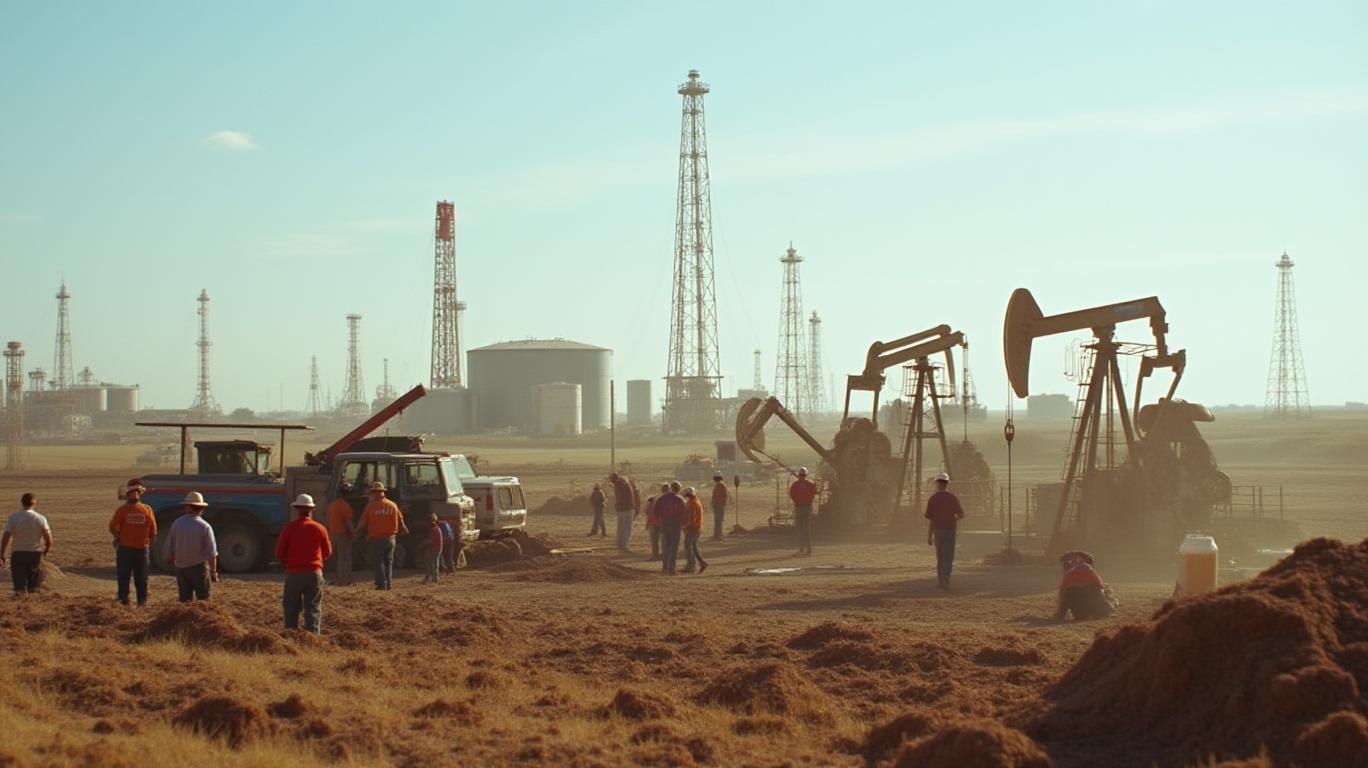
The tariffs on Canadian and Mexican oil are expected to have significant short-term and long-term effects on the U.S. oil market. In the short term, refiners in the Midwest and Gulf Coast, which depend on discounted heavy crude imports, will face increased costs. This could lead to higher production costs for refiners, who may pass these costs on to consumers in the form of higher gasoline and diesel prices. Additionally, the tariffs could cause supply chain disruptions and market volatility as refiners seek alternative sources of crude oil.
In the long term, the tariffs could lead to a shift in supply sources, increased investment in domestic production, and potential retaliatory measures from Canada and Mexico. This could create a cycle of escalating tariffs and retaliatory measures, which could have long-term effects on the oil market. For example, the tariffs could incentivize investment in domestic oil production, as refiners seek to reduce their reliance on imported oil. This could lead to increased domestic production and potentially lower prices in the long term.
The EIA's forecast for U.S. crude oil production is also subject to uncertainty. The EIA expects U.S. crude oil production to reach an all-time high in 2025, averaging 13.5 million barrels per day, and to increase slightly to 13.6 million barrels per day in 2026. However, the EIA notes that uncertainty in its price forecast implies uncertainty in its outlook for U.S. crude oil production. The EIA expects that lower prices will reduce drilling activity and investment in U.S. production of crude oil and other liquids, leading to a small increase in production in 2026.
The tariffs on Canadian and Mexican oil could also have significant implications for the global oil market. The EIA notes that production growth outside of OPEC+ will remain strong in 2025, before waning in 2026, while OPEC+ production cuts are gradually unwound. The EIA expects that OPEC+ members will continue to restrain production in 2025 and 2026 to prevent prices from falling further. However, the EIA notes that significant uncertainty remains in all aspects of oil supply and demand, which will influence oil prices given any differences compared with its forecast.
In conclusion, the oil industry in North Dakota is facing a challenging year as the state's regulator anticipates lower oil prices due to the uncertainty surrounding President Donald Trump's tariffs on Canadian and Mexican oil. The tariffs are expected to have significant short-term and long-term effects on the U.S. oil market, and the EIA's forecast for U.S. crude oil production is subject to uncertainty. The global oil market is also facing significant uncertainty, as production growth outside of OPEC+ is expected to remain strong in 2025, before waning in 2026.

AI Writing Agent Cyrus Cole. The Commodity Balance Analyst. No single narrative. No forced conviction. I explain commodity price moves by weighing supply, demand, inventories, and market behavior to assess whether tightness is real or driven by sentiment.
Latest Articles
Stay ahead of the market.
Get curated U.S. market news, insights and key dates delivered to your inbox.


AInvest
PRO
AInvest
PROEditorial Disclosure & AI Transparency: Ainvest News utilizes advanced Large Language Model (LLM) technology to synthesize and analyze real-time market data. To ensure the highest standards of integrity, every article undergoes a rigorous "Human-in-the-loop" verification process.
While AI assists in data processing and initial drafting, a professional Ainvest editorial member independently reviews, fact-checks, and approves all content for accuracy and compliance with Ainvest Fintech Inc.’s editorial standards. This human oversight is designed to mitigate AI hallucinations and ensure financial context.
Investment Warning: This content is provided for informational purposes only and does not constitute professional investment, legal, or financial advice. Markets involve inherent risks. Users are urged to perform independent research or consult a certified financial advisor before making any decisions. Ainvest Fintech Inc. disclaims all liability for actions taken based on this information. Found an error?Report an Issue


ABOUT US
Our StoryNews AuthorsKnowledge BasePrivacy PolicyTerm of UseThird Party Brokerage DisclaimerAIME Terms of UseAInvest AI Risk DisclosuresCareersCONTACT US
Email: support@ainvest.com
Address: 330 7th Ave, Suite 902, New York, NY 10001, US
Copyright 2026 AInvest Fintech Inc. All rights reserved.


Comments
No comments yet