
North American Infrastructure and Cultural Tourism: What Retail Investors Should Know
 Aime Summary
North American infrastructure and cultural tourism are intertwined in driving economic resilience and growth. Recent developments, including major music tours and infrastructure maintenance projects, highlight the importance of both physical and cultural infrastructure. Policy shifts and funding proposals from governments across the continent emphasize the need for sustainable investments in key sectors.
North America’s infrastructure and cultural industries are shaping the continent’s economic landscape in 2026. From major infrastructure projects in Pennsylvania and North Carolina to a surge in music tourism, the region is seeing a confluence of developments with clear investment implications. Black Country, New Road’s 2026 summer tour across the U.S. and Canada, for example, is not just an entertainment event—it reflects the broader economic potential of cultural tourism. Meanwhile, states like Ontario and Alabama are prioritizing investments in infrastructure and music funding as pillars of job creation and national resilience.
Why Is North America Investing in Infrastructure and Cultural Tourism Now?
Infrastructure and tourism have become central to economic resilience across North America. From Pennsylvania’s bridge maintenance on I-476 to Ontario’s push to double funding for the Ontario Music Investment Fund, governments at all levels are recognizing the need for long-term investments. These efforts are not just about roads and bridges—they’re about what those roads and bridges make possible: economic activity, job creation, and regional competitiveness.
Governors from both parties are echoing this sentiment in their 2026 State of the State addresses. For example, New York’s Kathy Hochul has emphasized modernized permitting to speed up infrastructure development, while Alabama’s Kay Ivey highlighted the role of infrastructure in attracting businesses. These developments suggest a growing consensus that infrastructure is inseparable from economic growth.
What Does Black Country, New Road’s Tour Say About Cultural Tourism’s Economic Impact?
Cultural tourism is increasingly being seen as a driver of economic growth. Black Country, New Road’s 2026 tour, which kicks off in June and includes cities across the U.S. and Canada, is a case in point. The band, now a sextet following the departure of their former frontman, is promoting their latest album, Forever Howlong, and is supported by Chicago’s Horsegirl on all dates.
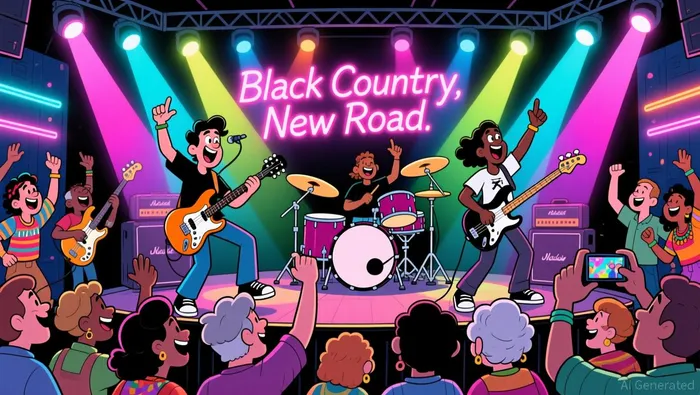
Beyond the cultural impact, these tours have tangible economic benefits. For instance, the Taylor Swift Eras Tour’s stop in Toronto generated an estimated $282 million in local economic activity. As the Canadian Live Music Association (CLMA) argues, doubling funding for the Ontario Music Investment Fund could help replicate this kind of economic success across the province. This highlights the potential for music and cultural events to not only entertain but also generate significant revenue and employment.
How Do Infrastructure Projects Shape Long-Term Economic Growth?
While cultural events generate short-term economic boosts, infrastructure projects shape long-term growth and resilience. The Golden Gate Bridge, for example, was a rare success story in infrastructure—built on time and under budget in 1937. Its success was due in part to an independent management structure and financial incentives that encouraged efficiency.
Today, similar principles are being applied in states like North Carolina, which received a C- in the 2026 ASCE infrastructure report card. The state faces aging water systems and a need for $6 billion in dam repairs, many of which were damaged by Hurricane Helene in 2024. Rising construction costs and declining gas tax revenue complicate the picture, but the report card underscores the need for sustainable funding and strategic investments.
Meanwhile, cities like Westerville, Ohio, are also investing in infrastructure to attract new businesses. The city has spent over $30 million to develop the Westar Place business district, creating a “shovel-ready” site for companies seeking to expand. This kind of forward-looking infrastructure investment is becoming a key factor in economic development, especially in growing regions.
What to Watch for in the Coming Months
For investors, the coming months will be key for tracking policy shifts and project timelines. State budgets in Ontario, Alabama, and other states will provide more clarity on infrastructure and cultural funding in 2026. Additionally, the performance of Black Country, New Road’s tour and similar events will offer insight into the economic impact of cultural tourism.
In the technology sector, companies like Willis Towers Watson are also reshaping the risk management landscape in response to the rapid growth of data centers. This underscores the broader trend of infrastructure and risk management becoming increasingly intertwined, especially in fast-evolving industries.
Ultimately, both physical and cultural infrastructure are shaping North America’s economic future in 2026. As governments, businesses, and artists continue to invest in these areas, the region is positioning itself for a more resilient and competitive economy. Retail investors should keep a close eye on these developments, as they could open up new opportunities for growth and diversification.

Stay ahead of the market.
Get curated U.S. market news, insights and key dates delivered to your inbox.


AInvest
PRO
AInvest
PRO



Comments
No comments yet