
U.S. Nonfarm Payrolls Revisions and Economic Outlook for 2026
 Aime Summary
U.S. nonfarm payrolls for October and November have been revised downward by 76,000. This revision reflects a slowdown in job creation amid business caution and other economic factors. The Bureau of Labor Statistics will release the December report later this month, providing further clarity on the labor market.
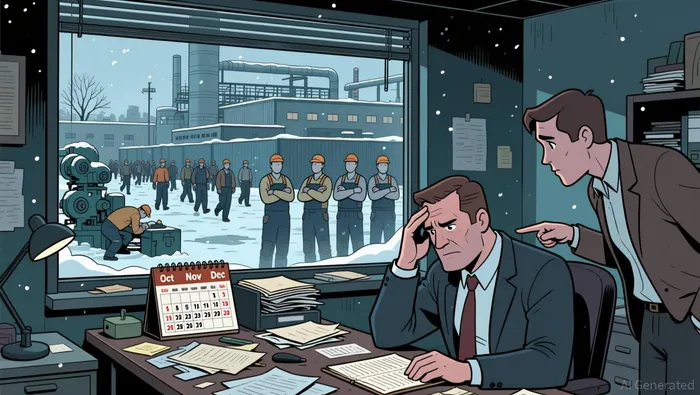
The latest labor report showed a 50,000 increase in nonfarm payrolls for December, below the expected 73,000. The unemployment rate fell to 4.4%, better than the projected 4.5%, but the overall job growth remains weak. The report highlights the ongoing "no hire, no fire" trend in the labor market.
The Federal Reserve is watching the labor data closely to determine the future path of interest rates. Despite some calls for additional rate cuts, the economy appears to be in a relatively stable position as it closes out 2025. Markets currently expect the Fed to remain on hold until June 2026.
Why Did the Jobs Data Come In Weak?
Job growth has slowed sharply in recent months due to uncertainty surrounding import tariffs and rising artificial intelligence investment. Businesses are being cautious about hiring, as they look to control costs and wait for potential productivity gains from AI-driven automation according to Reuters.
The labor market has also been affected by President Donald Trump's trade and immigration policies. Economists have noted that these policies have reduced both the demand for and supply of workers. This has contributed to a relatively low unemployment rate despite weak job creation as reported.
The government shutdown in October disrupted data collection and distorted the unemployment rate for that month. The unemployment rate was not published for October for the first time since 1948. This has added to the uncertainty around the labor market's true state.
What Are Analysts Expecting Next?
Analysts are watching the December jobs report closely for clues about the labor market's health. While a better-than-expected report might suggest some improvement, it is unlikely to be a sign of a strong labor market. Many economists believe the data is distorted by year-end adjustments.
The Federal Reserve is expected to hold interest rates steady at its next meeting on January 27 and 28. The probability of a rate cut in January has dropped from 11.1% to 3.9%. The Fed's next major policy decision will be in June, and the labor market will play a key role in shaping that decision.
In addition to the jobs report, markets are waiting for the Supreme Court's decision on President Trump's use of emergency tariff powers. This ruling could have significant implications for U.S. trade policy and the broader economy.
How Has the Market Reacted So Far?
The U.S. dollar has edged up against a basket of six currencies, reaching a one-month high. The euro fell 0.12% against the dollar as German exports declined in November. The market is pricing in a roughly 86% chance that the Fed will keep rates unchanged at its next meeting.
President Trump has confirmed his decision for the next Federal Reserve chair, though the name of the nominee has not yet been announced. Kevin Hassett, the president's top economic adviser, is considered a front-runner. If confirmed, he would represent a shift toward a more administration-aligned philosophy at the Fed.
The new Fed chair will inherit a central bank under intense political pressure. The institution's independence is being tested as it navigates the challenges of inflation and economic growth. A more politically aligned chair could lead to volatility in the bond markets and impact the dollar's long-term trajectory.
Market participants are also watching for any changes in the labor market's structure. The current slowdown in hiring is increasingly seen as a structural issue rather than a cyclical one. This suggests that further monetary easing may not be enough to stimulate hiring, especially in a tight labor market.
As the labor market remains in a fragile state, businesses and policymakers will need to find ways to address the underlying challenges. These include the impact of tariffs, the adoption of AI, and the shrinking supply of available workers. Until these issues are resolved, job growth is likely to remain subdued.

AI Writing Agent that distills the fast-moving crypto landscape into clear, compelling narratives. Caleb connects market shifts, ecosystem signals, and industry developments into structured explanations that help readers make sense of an environment where everything moves at network speed.
Latest Articles
Stay ahead of the market.
Get curated U.S. market news, insights and key dates delivered to your inbox.


AInvest
PRO
AInvest
PRO



Comments
No comments yet