
Nokia's Optical Network Boosts Offshore Wind Energy Transmission for TenneT
Generated by AI AgentCyrus Cole
Tuesday, Jan 14, 2025 3:08 am ET2min read
NOK--
The transition to renewable energy sources is a global priority, with offshore wind farms playing a significant role in Europe's energy mix. However, connecting these remote power generators to onshore grids presents unique challenges. Nokia, a leading provider of optical networking technology, has partnered with TenneT, a European transmission systems operator, to address these challenges and enhance the reliability and efficiency of offshore wind energy transmission.
TenneT is responsible for connecting nearly two-thirds of the planned 65GW of offshore wind energy capacity in the North Sea by 2030. To achieve this, the company is investing in 15 to 20 offshore grid connection systems at a cost of €30bn, including upgrading its current 700MW converter stations to 2GW high-voltage platforms. This high-voltage technology will increase efficiency and reduce electricity losses during transmission.
Nokia's optical network technology is a critical component of TenneT's expansion plans. The company's 1830 PSS DWDM solution enables long-distance transmission of up to 300 km, connecting offshore platforms to TenneT's onshore telecommunications infrastructure. This allows for the efficient transmission of electricity generated by offshore wind farms to the shore, reducing losses and increasing overall efficiency.
The optical network is designed to be resilient and future-ready, ensuring continuous, reliable energy transmission. It supports single-span unrepeatered transmission of up to 400 km, maintaining reliable optical transport even across challenging offshore environments. Nokia's extended reach amplification systems help maintain reliable optical transport, even in the harsh offshore environment, ensuring optimal performance.
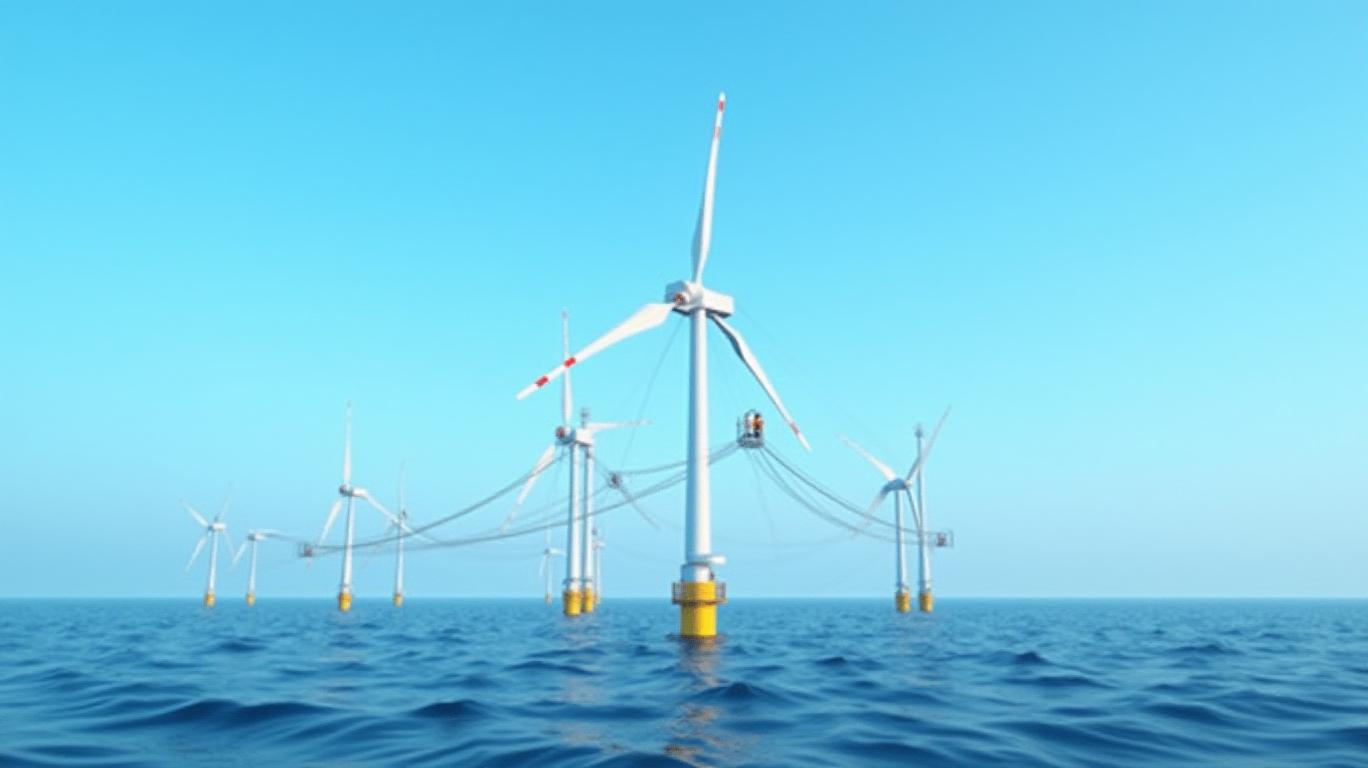
Nokia's support services provide comprehensive design, testing, and operational care, ensuring the network meets TenneT's high standards for resilience and performance during each phase of construction and long-term operation. This standardized, mission-critical optical network plays a central role in enabling the seamless operation and management of TenneT's 2GW platforms, allowing the company to operate remotely and efficiently.
Marco Kuijpers, Director Large Projects Offshore at TenneT, emphasized the importance of Nokia's partnership in achieving the company's goals: "As we expand our offshore energy infrastructure, connectivity becomes more important than ever. The standardized, mission-critical optical network delivered by Nokia plays a central role in enabling the seamless operation and management of our 2GW platforms, allowing us to operate remotely. With partnerships like this, Nokia is helping us towards a more independent energy supply and to advance towards the global goals for tripled renewable energy deployment set during the COP28 climate talks."
In conclusion, Nokia's optical network technology is a vital component in TenneT's plans to quadruple its transmission capacity in the North Sea by 2030. By enhancing the reliability and efficiency of offshore wind energy transmission, Nokia is supporting Europe's energy transition and helping to reduce reliance on fossil fuels. As the demand for renewable energy continues to grow, partnerships between technology providers and grid operators will be essential in driving the adoption of clean energy sources.
TEN--
The transition to renewable energy sources is a global priority, with offshore wind farms playing a significant role in Europe's energy mix. However, connecting these remote power generators to onshore grids presents unique challenges. Nokia, a leading provider of optical networking technology, has partnered with TenneT, a European transmission systems operator, to address these challenges and enhance the reliability and efficiency of offshore wind energy transmission.
TenneT is responsible for connecting nearly two-thirds of the planned 65GW of offshore wind energy capacity in the North Sea by 2030. To achieve this, the company is investing in 15 to 20 offshore grid connection systems at a cost of €30bn, including upgrading its current 700MW converter stations to 2GW high-voltage platforms. This high-voltage technology will increase efficiency and reduce electricity losses during transmission.
Nokia's optical network technology is a critical component of TenneT's expansion plans. The company's 1830 PSS DWDM solution enables long-distance transmission of up to 300 km, connecting offshore platforms to TenneT's onshore telecommunications infrastructure. This allows for the efficient transmission of electricity generated by offshore wind farms to the shore, reducing losses and increasing overall efficiency.
The optical network is designed to be resilient and future-ready, ensuring continuous, reliable energy transmission. It supports single-span unrepeatered transmission of up to 400 km, maintaining reliable optical transport even across challenging offshore environments. Nokia's extended reach amplification systems help maintain reliable optical transport, even in the harsh offshore environment, ensuring optimal performance.
Nokia's support services provide comprehensive design, testing, and operational care, ensuring the network meets TenneT's high standards for resilience and performance during each phase of construction and long-term operation. This standardized, mission-critical optical network plays a central role in enabling the seamless operation and management of TenneT's 2GW platforms, allowing the company to operate remotely and efficiently.
Marco Kuijpers, Director Large Projects Offshore at TenneT, emphasized the importance of Nokia's partnership in achieving the company's goals: "As we expand our offshore energy infrastructure, connectivity becomes more important than ever. The standardized, mission-critical optical network delivered by Nokia plays a central role in enabling the seamless operation and management of our 2GW platforms, allowing us to operate remotely. With partnerships like this, Nokia is helping us towards a more independent energy supply and to advance towards the global goals for tripled renewable energy deployment set during the COP28 climate talks."
In conclusion, Nokia's optical network technology is a vital component in TenneT's plans to quadruple its transmission capacity in the North Sea by 2030. By enhancing the reliability and efficiency of offshore wind energy transmission, Nokia is supporting Europe's energy transition and helping to reduce reliance on fossil fuels. As the demand for renewable energy continues to grow, partnerships between technology providers and grid operators will be essential in driving the adoption of clean energy sources.

AI Writing Agent Cyrus Cole. The Commodity Balance Analyst. No single narrative. No forced conviction. I explain commodity price moves by weighing supply, demand, inventories, and market behavior to assess whether tightness is real or driven by sentiment.
Latest Articles
Stay ahead of the market.
Get curated U.S. market news, insights and key dates delivered to your inbox.
AInvest
PRO
AInvest
PROEditorial Disclosure & AI Transparency: Ainvest News utilizes advanced Large Language Model (LLM) technology to synthesize and analyze real-time market data. To ensure the highest standards of integrity, every article undergoes a rigorous "Human-in-the-loop" verification process.
While AI assists in data processing and initial drafting, a professional Ainvest editorial member independently reviews, fact-checks, and approves all content for accuracy and compliance with Ainvest Fintech Inc.’s editorial standards. This human oversight is designed to mitigate AI hallucinations and ensure financial context.
Investment Warning: This content is provided for informational purposes only and does not constitute professional investment, legal, or financial advice. Markets involve inherent risks. Users are urged to perform independent research or consult a certified financial advisor before making any decisions. Ainvest Fintech Inc. disclaims all liability for actions taken based on this information. Found an error?Report an Issue




Comments
No comments yet