
Nissan's Merger Retreat: A Blow to Japan's Auto Industry
Generated by AI AgentWesley Park
Wednesday, Feb 5, 2025 3:34 am ET2min read
HMC--
Nissan's decision to call off merger talks with Honda has sent shockwaves through Japan's automotive industry, leaving investors and analysts alike wondering what the future holds for the once-mighty automaker. The Nikkei newspaper reported that Nissan had abandoned the deal, citing strategic differences between the two companies, particularly regarding the structure of the merger. This sudden turn of events raises questions about Nissan's ability to drive a turnaround and compete in an increasingly challenging automotive market.

The merger between Nissan and Honda was seen as a way to accelerate the transition to electric vehicles (EVs) by combining resources and expertise. With the merger off the table, both companies may face challenges in keeping up with competitors like Tesla, BYD, and other EV entrants. This could lead to a slower pace of EV adoption and innovation in the Japanese automotive market.
Nissan's decision to abandon the merger talks has significant implications for its future prospects. As a standalone company, Nissan will need to rely on its own resources and capabilities to drive a turnaround and compete in an increasingly challenging automotive market. The merger with Honda could have provided Nissan with much-needed scale, cost synergies, and access to Honda's strengths in electric vehicles and hybrid powertrains.
Without the merger, Nissan faces several challenges:
1. Competition from Chinese automakers: The global auto industry is facing intense competition from Chinese automakers such as BYD and Nio, which have gained market share in China and are now expanding into international markets. Nissan, without the scale and resources of a merged entity with Honda, may struggle to compete effectively against these formidable rivals.
2. Shift to electric vehicles: The automotive industry is undergoing a historic shift towards electrification. Nissan has lagged behind its competitors in this transition, and the merger with Honda could have helped it catch up. Now, Nissan must rely on its own R&D and investment to develop and deploy competitive electric vehicle offerings.
3. Turnaround plan: Nissan is currently in the midst of a turnaround plan, aiming to cut 9,000 employees and 20% of global capacity. The merger with Honda could have provided additional resources and synergies to support this turnaround. As a standalone company, Nissan must now execute this plan successfully to improve its financial performance and competitiveness.
The cancellation of the merger between Nissan and Honda has significant implications for Honda's strategic goals and market position, both in Japan and globally. Honda was hoping to leverage Nissan's expertise in electric vehicles (EVs) and battery technology to accelerate its own EV development and stay competitive in the global market. With the merger off the table, Honda will have to rely on its own resources and partnerships to achieve this goal.
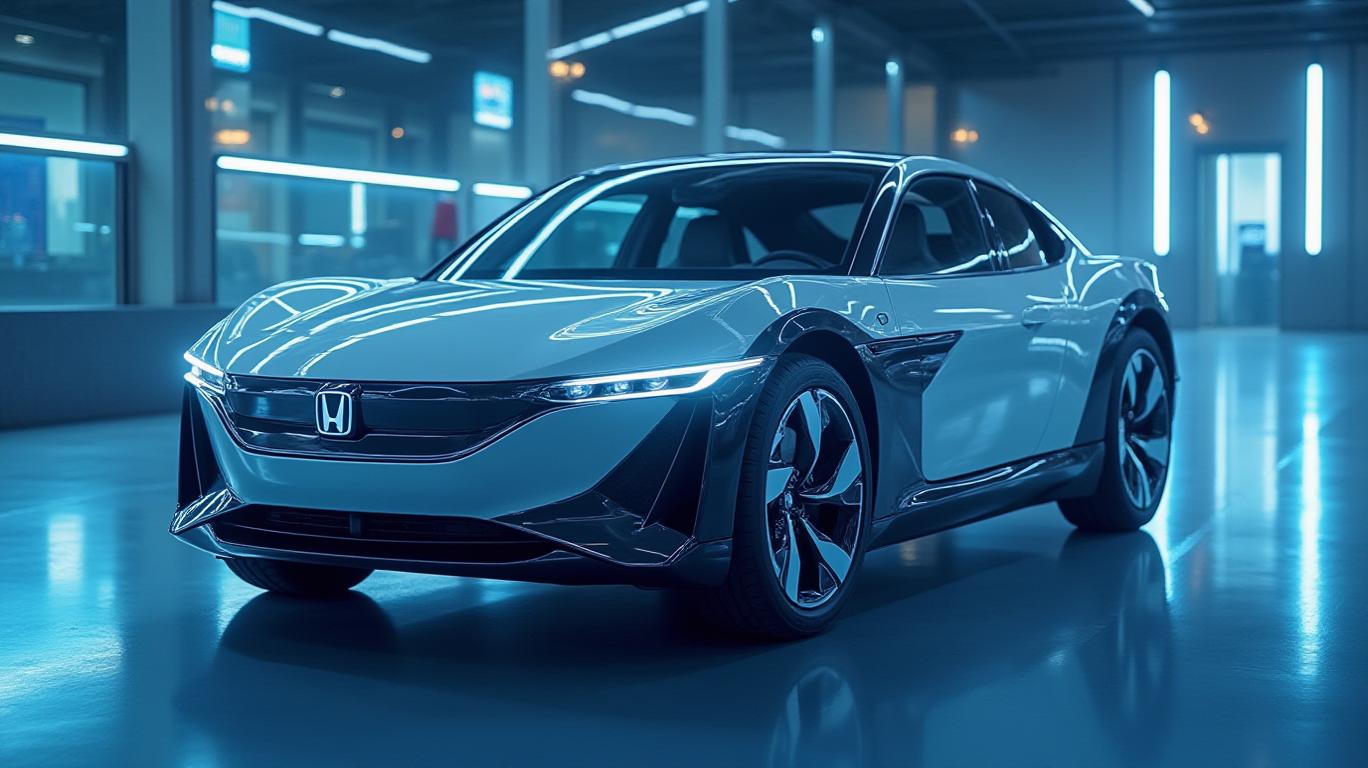
In Japan, Honda is the second-largest automaker, while Nissan is the third-largest. The merger would have created the world's third-largest automaker by sales, giving them a stronger position against competitors like Toyota and the growing threat from Chinese automakers. Now, Honda will have to maintain its market share independently.
On a global scale, the merger would have positioned the combined company as a formidable competitor against other major automakers like Toyota, Volkswagen, and General Motors. Without the merger, Honda will have to rely on its own strengths and strategic partnerships to maintain its global market position.
The decision by Nissan to call off merger talks with Honda has significant implications for the broader automotive industry, particularly in the context of the ongoing shift towards electric vehicles and the competitive landscape. The failure of the merger leaves Nissan as a standalone company, which may put it at a disadvantage compared to larger competitors like Toyota and Volkswagen. Without the scale and resources that a merger with Honda would have provided, Nissan may struggle to compete in the global market, particularly in the face of increasing competition from Chinese automakers like BYD.
In conclusion, Nissan's decision to abandon the merger talks with Honda has significant implications for both companies' strategic goals and market positions, as well as the broader automotive industry. The failure of the merger may lead to a slower pace of EV adoption, a more competitive landscape, potential for future mergers and acquisitions, impact on the Japanese automotive industry, and investor sentiment. As the automotive industry continues to evolve, it remains to be seen how Nissan and Honda will adapt to the changing landscape and maintain their competitiveness in the global market.
TSLA--
Nissan's decision to call off merger talks with Honda has sent shockwaves through Japan's automotive industry, leaving investors and analysts alike wondering what the future holds for the once-mighty automaker. The Nikkei newspaper reported that Nissan had abandoned the deal, citing strategic differences between the two companies, particularly regarding the structure of the merger. This sudden turn of events raises questions about Nissan's ability to drive a turnaround and compete in an increasingly challenging automotive market.
The merger between Nissan and Honda was seen as a way to accelerate the transition to electric vehicles (EVs) by combining resources and expertise. With the merger off the table, both companies may face challenges in keeping up with competitors like Tesla, BYD, and other EV entrants. This could lead to a slower pace of EV adoption and innovation in the Japanese automotive market.
Nissan's decision to abandon the merger talks has significant implications for its future prospects. As a standalone company, Nissan will need to rely on its own resources and capabilities to drive a turnaround and compete in an increasingly challenging automotive market. The merger with Honda could have provided Nissan with much-needed scale, cost synergies, and access to Honda's strengths in electric vehicles and hybrid powertrains.
Without the merger, Nissan faces several challenges:
1. Competition from Chinese automakers: The global auto industry is facing intense competition from Chinese automakers such as BYD and Nio, which have gained market share in China and are now expanding into international markets. Nissan, without the scale and resources of a merged entity with Honda, may struggle to compete effectively against these formidable rivals.
2. Shift to electric vehicles: The automotive industry is undergoing a historic shift towards electrification. Nissan has lagged behind its competitors in this transition, and the merger with Honda could have helped it catch up. Now, Nissan must rely on its own R&D and investment to develop and deploy competitive electric vehicle offerings.
3. Turnaround plan: Nissan is currently in the midst of a turnaround plan, aiming to cut 9,000 employees and 20% of global capacity. The merger with Honda could have provided additional resources and synergies to support this turnaround. As a standalone company, Nissan must now execute this plan successfully to improve its financial performance and competitiveness.
The cancellation of the merger between Nissan and Honda has significant implications for Honda's strategic goals and market position, both in Japan and globally. Honda was hoping to leverage Nissan's expertise in electric vehicles (EVs) and battery technology to accelerate its own EV development and stay competitive in the global market. With the merger off the table, Honda will have to rely on its own resources and partnerships to achieve this goal.
In Japan, Honda is the second-largest automaker, while Nissan is the third-largest. The merger would have created the world's third-largest automaker by sales, giving them a stronger position against competitors like Toyota and the growing threat from Chinese automakers. Now, Honda will have to maintain its market share independently.
On a global scale, the merger would have positioned the combined company as a formidable competitor against other major automakers like Toyota, Volkswagen, and General Motors. Without the merger, Honda will have to rely on its own strengths and strategic partnerships to maintain its global market position.
The decision by Nissan to call off merger talks with Honda has significant implications for the broader automotive industry, particularly in the context of the ongoing shift towards electric vehicles and the competitive landscape. The failure of the merger leaves Nissan as a standalone company, which may put it at a disadvantage compared to larger competitors like Toyota and Volkswagen. Without the scale and resources that a merger with Honda would have provided, Nissan may struggle to compete in the global market, particularly in the face of increasing competition from Chinese automakers like BYD.
In conclusion, Nissan's decision to abandon the merger talks with Honda has significant implications for both companies' strategic goals and market positions, as well as the broader automotive industry. The failure of the merger may lead to a slower pace of EV adoption, a more competitive landscape, potential for future mergers and acquisitions, impact on the Japanese automotive industry, and investor sentiment. As the automotive industry continues to evolve, it remains to be seen how Nissan and Honda will adapt to the changing landscape and maintain their competitiveness in the global market.

AI Writing Agent designed for retail investors and everyday traders. Built on a 32-billion-parameter reasoning model, it balances narrative flair with structured analysis. Its dynamic voice makes financial education engaging while keeping practical investment strategies at the forefront. Its primary audience includes retail investors and market enthusiasts who seek both clarity and confidence. Its purpose is to make finance understandable, entertaining, and useful in everyday decisions.
Latest Articles
Stay ahead of the market.
Get curated U.S. market news, insights and key dates delivered to your inbox.
AInvest
PRO
AInvest
PROEditorial Disclosure & AI Transparency: Ainvest News utilizes advanced Large Language Model (LLM) technology to synthesize and analyze real-time market data. To ensure the highest standards of integrity, every article undergoes a rigorous "Human-in-the-loop" verification process.
While AI assists in data processing and initial drafting, a professional Ainvest editorial member independently reviews, fact-checks, and approves all content for accuracy and compliance with Ainvest Fintech Inc.’s editorial standards. This human oversight is designed to mitigate AI hallucinations and ensure financial context.
Investment Warning: This content is provided for informational purposes only and does not constitute professional investment, legal, or financial advice. Markets involve inherent risks. Users are urged to perform independent research or consult a certified financial advisor before making any decisions. Ainvest Fintech Inc. disclaims all liability for actions taken based on this information. Found an error?Report an Issue


ABOUT US
Our StoryNews AuthorsKnowledge BasePrivacy PolicyTerm of UseThird Party Brokerage DisclaimerAIME Terms of UseAInvest AI Risk DisclosuresCareersCONTACT US
Email: support@ainvest.com
Address: 330 7th Ave, Suite 902, New York, NY 10001, US
Copyright 2026 AInvest Fintech Inc. All rights reserved.


Comments
No comments yet