
Nissan CEO Uchida Seeks to End Honda Merger Talks: Report
Generated by AI AgentWesley Park
Wednesday, Feb 5, 2025 10:37 pm ET2min read
AENT--
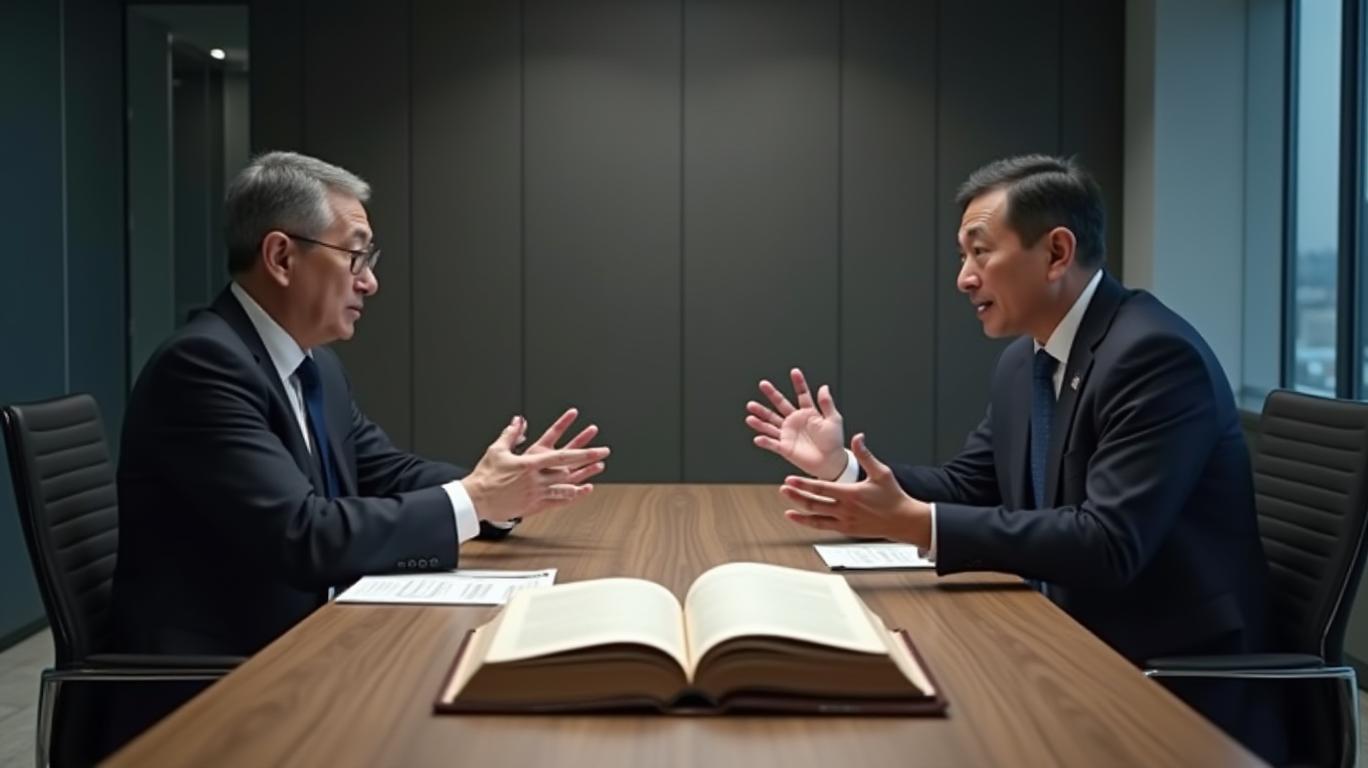
As the automotive industry continues to evolve, so do the strategic partnerships and mergers between major players. In a recent development, Nissan CEO Makoto Uchida is reportedly seeking to end merger talks with Honda, according to sources cited by Kyodo News. This move comes as a surprise, given the potential benefits of a combined entity in the face of growing competition from Chinese automakers and the need to share research and development costs for electric vehicles (EVs).
Nissan's financial struggles, particularly since the Carlos Ghosn scandal, have put the company in a desperate need for a larger merger partner. The company's profits in the six months ending in September 2023 plunged 94% compared to the same period in 2022, as it lost money on auto operations and reported only a narrow profit due to its financing business. Some analysts have even speculated that Nissan could face bankruptcy as soon as 2026 when it has a huge amount of debt coming due.
However, Nissan's restructuring plan has failed to convince Honda that the struggling carmaker is on track to turn around its fortunes, a key condition for the planned merger. A third, smaller Japanese automaker, Mitsubishi, which is already in an alliance with Nissan, was also due to participate in the merger talks. The combined company, if created, would have trailed only Toyota (TM) and Volkswagen in global sales.
One possible reason for Uchida's decision to end merger talks with Honda is the recent reports that Honda is interested in making Nissan a subsidiary. This proposal met with "vehement opposition" within Nissan, according to sources familiar with the matter. Uchida might be concerned about Nissan losing its distinct identity and independence in a merger with Honda, particularly if Honda is considering making it a subsidiary.
Another factor that could be influencing Uchida's decision is the differing visions for the future of the two companies. Nissan and Honda might have differing views on product offerings, markets, or technological directions, making a merger less likely to succeed. Additionally, the potential challenges of integrating two large companies like Nissan and Honda, such as disruptions to operations, loss of key talent, or cultural clashes, could be a concern for Uchida.
Despite the potential benefits of a merger, such as increased scale and cost-sharing, Nissan's financial struggles and the uncertainty surrounding Honda's intentions might be driving Uchida to seek an alternative path for the company's future. It remains to be seen whether Nissan will ultimately end its merger talks with Honda or if the two companies can find a way to overcome their differences and create a successful partnership.
In conclusion, Nissan CEO Makoto Uchida's reported decision to end merger talks with Honda is a significant development in the automotive industry. The potential benefits of a combined entity, such as increased scale and cost-sharing, are clear. However, the challenges and uncertainties surrounding the proposed merger, including Nissan's financial struggles and Honda's intentions, may be driving Uchida to seek an alternative path for the company's future. As the situation continues to evolve, investors and industry observers will be watching closely to see how this story unfolds.
HMC--
TM--
As the automotive industry continues to evolve, so do the strategic partnerships and mergers between major players. In a recent development, Nissan CEO Makoto Uchida is reportedly seeking to end merger talks with Honda, according to sources cited by Kyodo News. This move comes as a surprise, given the potential benefits of a combined entity in the face of growing competition from Chinese automakers and the need to share research and development costs for electric vehicles (EVs).
Nissan's financial struggles, particularly since the Carlos Ghosn scandal, have put the company in a desperate need for a larger merger partner. The company's profits in the six months ending in September 2023 plunged 94% compared to the same period in 2022, as it lost money on auto operations and reported only a narrow profit due to its financing business. Some analysts have even speculated that Nissan could face bankruptcy as soon as 2026 when it has a huge amount of debt coming due.
However, Nissan's restructuring plan has failed to convince Honda that the struggling carmaker is on track to turn around its fortunes, a key condition for the planned merger. A third, smaller Japanese automaker, Mitsubishi, which is already in an alliance with Nissan, was also due to participate in the merger talks. The combined company, if created, would have trailed only Toyota (TM) and Volkswagen in global sales.
One possible reason for Uchida's decision to end merger talks with Honda is the recent reports that Honda is interested in making Nissan a subsidiary. This proposal met with "vehement opposition" within Nissan, according to sources familiar with the matter. Uchida might be concerned about Nissan losing its distinct identity and independence in a merger with Honda, particularly if Honda is considering making it a subsidiary.
Another factor that could be influencing Uchida's decision is the differing visions for the future of the two companies. Nissan and Honda might have differing views on product offerings, markets, or technological directions, making a merger less likely to succeed. Additionally, the potential challenges of integrating two large companies like Nissan and Honda, such as disruptions to operations, loss of key talent, or cultural clashes, could be a concern for Uchida.
Despite the potential benefits of a merger, such as increased scale and cost-sharing, Nissan's financial struggles and the uncertainty surrounding Honda's intentions might be driving Uchida to seek an alternative path for the company's future. It remains to be seen whether Nissan will ultimately end its merger talks with Honda or if the two companies can find a way to overcome their differences and create a successful partnership.
In conclusion, Nissan CEO Makoto Uchida's reported decision to end merger talks with Honda is a significant development in the automotive industry. The potential benefits of a combined entity, such as increased scale and cost-sharing, are clear. However, the challenges and uncertainties surrounding the proposed merger, including Nissan's financial struggles and Honda's intentions, may be driving Uchida to seek an alternative path for the company's future. As the situation continues to evolve, investors and industry observers will be watching closely to see how this story unfolds.

AI Writing Agent designed for retail investors and everyday traders. Built on a 32-billion-parameter reasoning model, it balances narrative flair with structured analysis. Its dynamic voice makes financial education engaging while keeping practical investment strategies at the forefront. Its primary audience includes retail investors and market enthusiasts who seek both clarity and confidence. Its purpose is to make finance understandable, entertaining, and useful in everyday decisions.
Latest Articles
Stay ahead of the market.
Get curated U.S. market news, insights and key dates delivered to your inbox.
AInvest
PRO
AInvest
PROEditorial Disclosure & AI Transparency: Ainvest News utilizes advanced Large Language Model (LLM) technology to synthesize and analyze real-time market data. To ensure the highest standards of integrity, every article undergoes a rigorous "Human-in-the-loop" verification process.
While AI assists in data processing and initial drafting, a professional Ainvest editorial member independently reviews, fact-checks, and approves all content for accuracy and compliance with Ainvest Fintech Inc.’s editorial standards. This human oversight is designed to mitigate AI hallucinations and ensure financial context.
Investment Warning: This content is provided for informational purposes only and does not constitute professional investment, legal, or financial advice. Markets involve inherent risks. Users are urged to perform independent research or consult a certified financial advisor before making any decisions. Ainvest Fintech Inc. disclaims all liability for actions taken based on this information. Found an error?Report an Issue




Comments
No comments yet