
NIPSCO's Renewable Shift: A Beacon for Resilient Utility Growth
The utility sector is undergoing a quiet revolution. As governments and markets push for decarbonization, companies like NIPSCO (a subsidiary of NiSourceNI--, Inc.) are proving that green transformation isn't just about compliance—it's a pathway to long-term growth, cost efficiency, and investor resilience. With its ambitious solar investments and strategic alignment with regulatory frameworks, NIPSCO offers a compelling case for why utility stocks, far from being “stodgy,” are emerging as growth-oriented assets in a volatile economy.
Regulatory Tailwinds Fueling Renewable Expansion
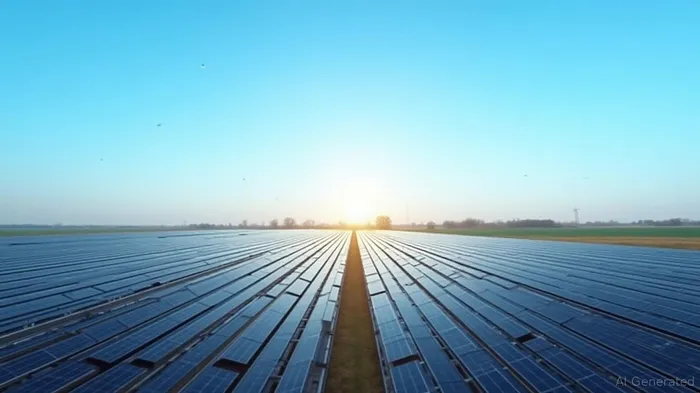
NIPSCO's transition is not happening in a vacuum. The utility's recent solar projects—including the Indiana Crossroads Solar Farm (200 MW) and the Dunns Bridge Solar I & II (combined 700 MW capacity with battery storage)—are underpinned by robust regulatory support. The Indiana Utility Regulatory Commission (IURC) has approved phased rate increases to fund these projects, ensuring that NIPSCO can recover costs while maintaining affordability. For instance, the 2025 rate case proposal includes a 22% average residential bill increase by March 2026, but this is paired with a new income-qualified bill assistance program and a 9% discount for multifamily housing customers. Such measures demonstrate regulators' willingness to balance investor returns with public interest—a critical factor for utilities seeking to scale renewables.
Long-Term Cost Savings: Coal's Sunset, Renewables' Dawn
The financial logic of NIPSCO's shift is undeniable. By retiring all coal-fired units by 2028, the company expects to eliminate $126 million in annual coal-related costs, including fuel, maintenance, and compliance expenses. Meanwhile, its solar and wind projects—such as the Cavalry Solar Farm (200 MW paired with 45 MW of battery storage)—are generating $80 million in annual savings through renewable energy credit (REC) sales and excess power generation. These savings are returned directly to customers, softening the impact of rate hikes and reinforcing NIPSCO's value proposition.
The Inflation Reduction Act (IRA) further amplifies this advantage. Tax equity investments and production tax credits have enabled NIPSCO to secure lower-cost financing for projects like Dunns Bridge II, which combines solar and battery storage to enhance grid reliability. Such federal support positions utilities as beneficiaries of both policy and market trends, making their renewable investments a win-win for shareholders and consumers.
Dividend Stability in a Volatile Market
Utilities like NIPSCO thrive in environments where steady income matters most. The company's regulated business model ensures predictable cash flows, even as it transitions to renewables. By expanding its rate base—the value of infrastructure eligible for regulated returns—NIPSCO can secure returns on solar and storage projects without diluting dividends. For instance, its $2 billion commitment to renewables through 2025 is funded in part by incremental rate increases, which are carefully phased to avoid overburdening customers.
This stability is evident in NiSource's (NI) stock performance. While broader utility indices have fluctuated, NiSource's shares have shown resilience, reflecting investor confidence in its regulated growth strategy.
Investment Opportunity: Growth Without Sacrificing Safety
NIPSCO's solar portfolio isn't just about compliance—it's a growth engine. Projects like the Fairbanks Solar Farm (250 MW, operational by 2025) and the Dunns Bridge II Battery Storage System (75 MW) are diversifying its energy mix and reducing reliance on volatile fossil fuel markets. With Indiana's Integrated Resource Plan mandating 90% carbon reduction by 2030, NIPSCO's investments are aligned with state and federal policy, minimizing regulatory risk.
For investors, this means a portfolio of assets that are both defensive and accretive. Rate-base growth, tax incentives, and cost savings from coal retirements create a “triple bottom line” of value: stable dividends, capital appreciation from regulated returns, and long-term earnings growth as renewables scale.
Risks and Considerations
No investment is without risk. Delays in project timelines—such as those for Dunns Bridge II—could strain cash flows, while further regulatory scrutiny over rate hikes might cap returns. However, NIPSCO's track record of completing projects on time (e.g., Indiana Crossroads Solar's 2023 operational start) and its proactive engagement with regulators mitigate these concerns.
Conclusion: Utilities as the New “New Economy”
NIPSCO's transition underscores a paradigm shift: utilities are no longer just distributors of power but architects of the clean energy future. By leveraging regulatory support, tax incentives, and long-term cost savings, companies like NIPSCO are turning environmental obligations into financial opportunities. For investors seeking stability in a volatile market, these utilities offer a rare combination of dividend resilience, growth potential, and alignment with global decarbonization trends.
As the sun sets on coal and rises on renewables, NIPSCO's solar farms are more than power generators—they're beacons for a new era of utility investing.
John Gapper is a financial columnist and author specializing in long-term investment strategies. His analyses focus on the intersection of regulatory policy, market trends, and corporate strategy.

Stay ahead of the market.
Get curated U.S. market news, insights and key dates delivered to your inbox.




Comments
No comments yet